


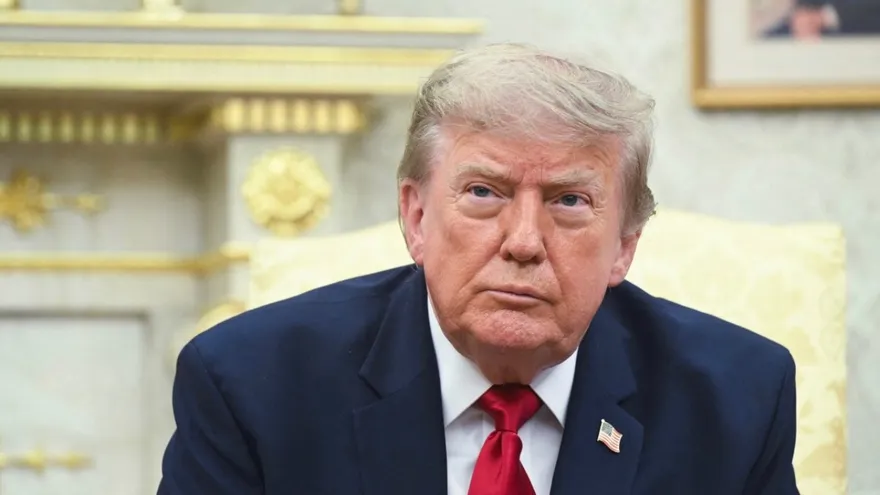
Trump to raise tariffs on Canadian autos, steel to 50% in 2027
Translated from Spanish, summarized and contextualized by DistantNews.
At a glance
News
Sources not specified
New plan
- President Donald Trump announced plans to increase tariffs on Canadian automobiles and steel to 50% starting in 2027.
- The announcement follows failed trade negotiations between the U.S. and Canada, leading to retaliatory tariffs from Canada.
- Trump stated the U.S. does not need Canada, escalating a trade dispute between the two neighboring countries.
President Donald Trump declared that tariffs on Canadian automobiles and steel will rise to 50% beginning January 1, 2027. The U.S. president announced this on his social media platform, Truth Social, amid an escalating tariff war between the two North American neighbors. Currently, tariffs on cars are 25% if they do not contain U.S. materials, while steel imports generally face 50% duties.
This move comes after trade talks between the United States and Canada failed to produce an agreement to prevent new tariffs. These tariffs, imposed on Canadian products valued at approximately $20 billion, represent 5.5% of Canada's total exports to the U.S. Canadian Prime Minister Mark Carney announced that Canada would impose retaliatory tariffs on the U.S. starting September 8, calling the proposed deal "bad."
The United States is Canada's largest trading partner, with Canadian exports to the U.S. accounting for 70% of its total. Trump's tariffs already affect key Canadian economic sectors, including the steel and automotive industries. Data from the Census Bureau indicates Canada is the second-largest U.S. goods trading partner this year, behind Mexico.
Trump asserted that "Canada has been ripping off the United States of America for years" and that "We don't need Canada, they need us." A poll by the Angus Reid Institute found that three out of four Canadians supported Prime Minister Carney's decision to withdraw from trade negotiations, though two in five expressed concerns about their jobs.
DistantNews Editorial
Originally published by TVN Panamá in Spanish. Translated, summarized, and contextualized by our editorial team with added local perspective. Read our editorial standards.
More Stories


From Our Blog

What Gets Lost (and Found) When News Is Translated

The Critical Role of Diaspora Media in Global News

What Travellers Should Know About Countries with Restricted Press

A Digital Nomad's Guide to Following Local News

How the Same Story Looks Different in Different Countries
