


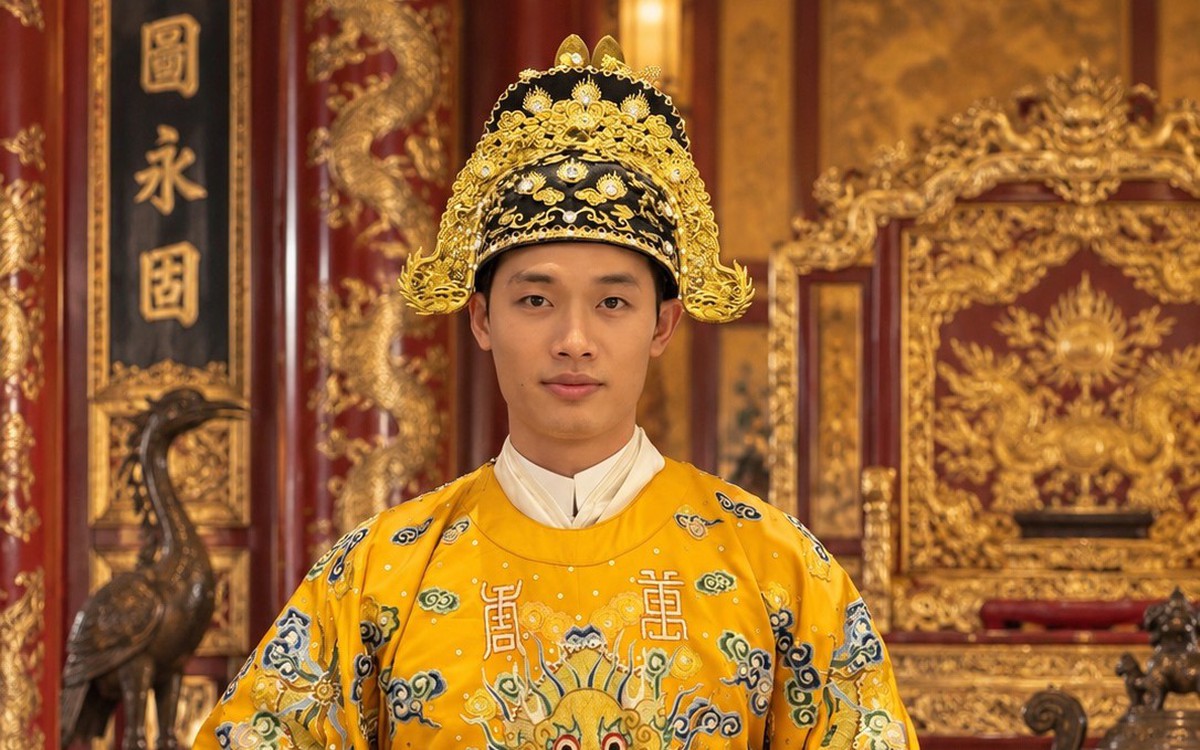

Tú Sương and Võ Minh Lâm wrestle with history in Dời đô
Translated from Vietnamese and summarized by DistantNews. Read the original for the full story.
At a glance
In-depth
Named sources
New plan
- A new excerpt from Dời đô depicts Lý Công Uẩn’s decision to move the capital from Hoa Lư to Đại La despite opposition from officials and relatives.
- Tú Sương and Võ Minh Lâm play Lập Giáo empress and Lý Công Uẩn, respectively, marking their first performances in the roles.
- Director Lê Nguyên Đạt plans to stage the full work next year for the national cải lương festival.
In Dời đô, Võ Minh Lâm plays a ruler forced to defend a decision that could define his place in history, while Tú Sương portrays a queen caught between her family and her husband. The two artists are appearing in the roles for the first time.
The roughly 50-minute excerpt was staged on September 6 at Trần Hữu Trang Theatre during a program commemorating the third anniversary of playwright Lê Duy Hạnh’s death. It focuses on Lý Công Uẩn, founder of the Lý dynasty, as he considers moving the capital from Hoa Lư to Đại La.
The decision faces resistance from court officials and even members of his family. The work presents the ruler enduring sleepless nights, dealing with foreign powers and opposition inside the court, and feeling deeply isolated because he lacks understanding from those around him. Dời đô portrays the move not as an impulsive act, but as a decision grounded in the country’s circumstances and in the belief that prosperity and public welfare justified the risk.
Lập Giáo empress faces a different conflict. A princess of the previous Lê dynasty, she stands between her father and Lê family on one side and her husband, now leader of the Lý dynasty, on the other. Those personal tensions give both performers room to explore the inner lives of their characters.
After staging the excerpt in memory of Lê Duy Hạnh, director Lê Nguyên Đạt is considering producing the full play next year for the national cải lương festival. Võ Minh Lâm said he was drawn to the script because Hạnh’s works combine philosophical depth with contemporary relevance, using historical stories to convey enduring messages. “Every era has its reforms, and the role of the person leading the country is extremely important. If successful, that leader will be remembered. If unsuccessful, that leader will become a criminal in history,” he said.
Every era has its reforms, and the role of the person leading the country is extremely important. If successful, that leader will be remembered. If unsuccessful, that leader will become a criminal in history.
About this summary
Originally published by Tuổi Trẻ in Vietnamese. Translated, summarized, and contextualized automatically by DistantNews, with a note on how the source frames the story. Not individually reviewed before publishing. How this works.
More Stories

From Our Blog

News in Translation: What Gets Lost, and How We Keep the Framing

Diaspora Media: How Communities Follow News From Home

Traveling Where the Press Is Not Free: How to Read the News There

The Digital Nomad's Guide to Local News

The Same Story, Different Countries: How Coverage Changes at the Border
