



Tupac Shakur Murder: The Man Who Talked Too Much
Translated from German and summarized by DistantNews. Read the original for the full story.
At a glance
In-depth
Sources not specified
Outcome reported
- Duane “Keffe D” Davis was convicted in the killing of rapper Tupac Shakur nearly 30 years after the murder.
- Davis’s defense attorney argued that his client was an unreliable braggart whose interviews, documentaries and memoirs contained fabricated claims about the killing.
- The case focused on Davis’s own statements despite the lack of forensic evidence.
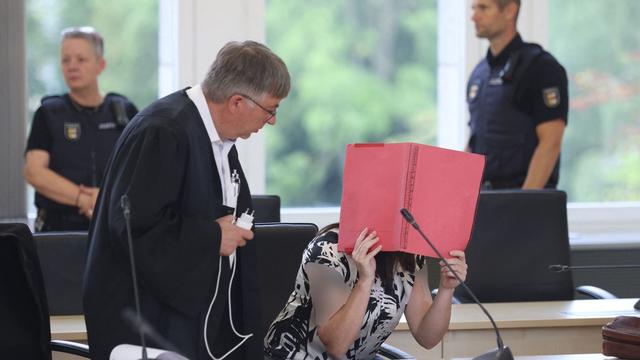
The defense attorney did not try to present Duane “Keffe D” Davis as a credible man. Instead, Michael Sanft put a single word on the courtroom’s large monitor during his opening statement: “BULLSHIT”.
Sanft represents the 63-year-old Davis, a former leader of the South Side Compton Crips gang, in the case over Tupac Shakur’s murder. Rather than defend Davis’s account, he attacked it. Davis, he argued, was a braggart who embellished stories and tried to make himself important.
That made Davis’s own public record central to the trial. The things he had said in interviews and documentaries, as well as in his memoirs, concerned the killing of the rapper. Sanft’s position was that these accounts amounted to “BULLSHIT”.
The conviction came nearly three decades after Shakur’s spectacular murder. The case had no forensic evidence, but prosecutors had a defendant who had spoken extensively about it. The questions surrounding the verdict therefore centered on why Davis was convicted and what role his statements and memoirs played in the proceedings.
BULLSHIT
About this summary
Originally published by Die Zeit in German. Translated, summarized, and contextualized automatically by DistantNews, with a note on how the source frames the story. Not individually reviewed before publishing. How this works.
More Stories

From Our Blog

What Gets Lost (and Found) When News Is Translated

How the Same Story Looks Different in Different Countries

The Critical Role of Diaspora Media in Global News

What Travellers Should Know About Countries with Restricted Press

A Digital Nomad's Guide to Following Local News
