

Turbine count in environmental report inconsistent, locals object to wind farm project
Translated from Turkish and summarized by DistantNews. Read the original for the full story.
At a glance
News
Sources not specified
New plan
- Kalyon Holding's 33-turbine wind energy project spanning Ordu, Tokat, and Sivas has completed its environmental impact assessment.
- The final report shows inconsistent numbers for turbines located on forest land, with figures of 7, 10, and 11 appearing in different sections.
- Local residents have objected to the project, citing concerns about the impact on agricultural and grazing lands.
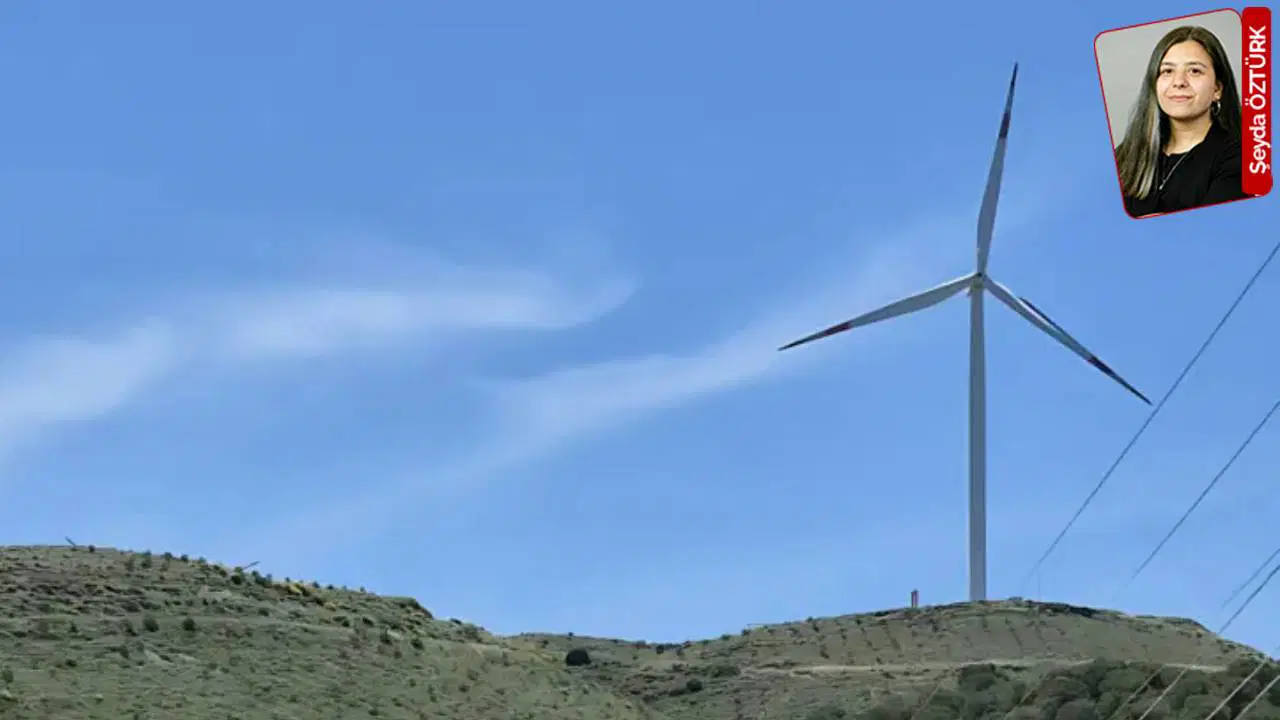
Kalyon Holding's proposed 33-turbine wind energy project, located across the provinces of Ordu, Tokat, and Sivas, has advanced through its environmental impact assessment (ÇED) process. However, the final ÇED report reveals significant inconsistencies regarding the number of turbines situated on forest land.
According to an ecosystem assessment report appended to the final ÇED document, the majority of the 33 turbines are located on agricultural and grazing lands. Seven turbines were noted as being on forest land. In contrast, a field inspection by the General Directorate of Forestry (OGM) indicated that 11 turbines fall within "areas considered forest." Further complicating the matter, a land cover table within the ÇED report, sourced from e-OGM, classified 10 turbines as "forest."
These discrepancies mean the final report presents three different figures, 7, 10, and 11, for the number of turbines on forest land. While variations in land classification methodologies could account for some differences, the report offers no explanation for these specific inconsistencies. The OGM also raised concerns about turbine U27, which was listed among the 11 turbines on forest land, yet later evaluations included U17, U18, and U27 as being within "productive forest and afforestation areas."
We do not want this project.
Despite these issues, the OGM requested that trees within the sweep area of these three turbines be protected and that no trees be cut outside the crane assembly area. The ÇED report, however, failed to provide a total count of trees to be felled. The project also impacts approximately 1,240 hectares of land classified as yaylak (highland pasture) according to land registry records. Plans include construction on 29.1 hectares for turbines, roads, and a substation.
Environmental studies also examined the impact on birds. A monitoring study in the autumn of 2025 identified 63 bird species. While 484 individuals of target species were recorded in flight, 51 were observed passing through the turbine blade sweep zone. The report noted the presence of the globally vulnerable Greater Spotted Eagle and the near-threatened Red-breasted Goose. Nevertheless, the report concluded that the area is not a critical migratory route for endangered birds. Local communities have also voiced opposition, with residents in Sivas's Sugözü village stating, "We do not want this project," and citing previous energy investments that have reduced grazing lands. One resident lamented, "We have no land left to leave for our future."
We have no land left to leave for our future.
About this summary
Originally published by Cumhuriyet in Turkish. Translated, summarized, and contextualized automatically by DistantNews, with a note on how the source frames the story. Not individually reviewed before publishing. How this works.
More Stories



From Our Blog

What Gets Lost (and Found) When News Is Translated

The Critical Role of Diaspora Media in Global News

What Travellers Should Know About Countries with Restricted Press

A Digital Nomad's Guide to Following Local News

How the Same Story Looks Different in Different Countries
