


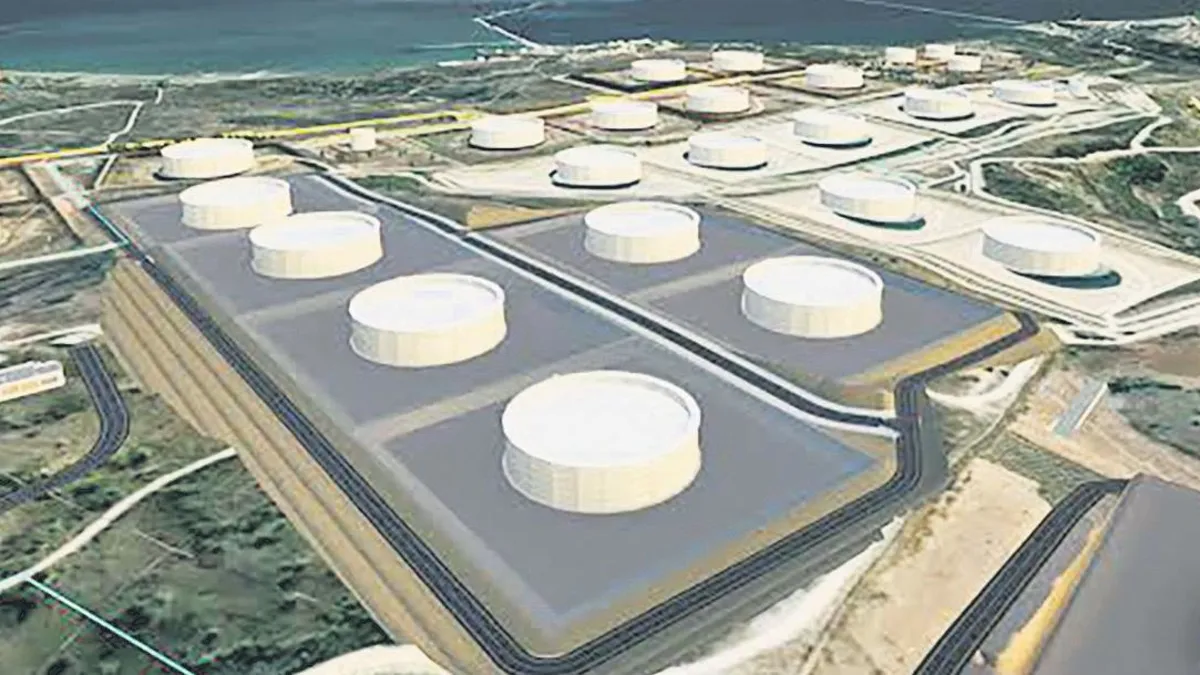
Turkey Boosts Oil Storage Capacity to 45 Million Barrels
Translated from Turkish, summarized and contextualized by DistantNews.
TLDR
- Turkey is significantly expanding its energy storage capacity, particularly for crude oil, to enhance energy security.
- BOTAŞ, the national energy infrastructure operator, is transforming into an integrated energy company involved in all value chain stages.
- A strategic project will increase crude oil storage capacity in Ceyhan from 1 million to 45 million barrels by 2030-2031, involving a 4.4 billion lira investment.
Turkey is making a strategic leap in energy storage, moving beyond its traditional role as a pipeline operator to become a comprehensive energy player. The expansion of crude oil storage capacity in Ceyhan, increasing from 1 million to a massive 45 million barrels, is not merely an infrastructure upgrade but a fundamental reshaping of Turkey's energy security architecture. This move, spearheaded by BOTAŞ, underscores the nation's commitment to bolstering its resilience against energy crises and solidifying its position as a key energy hub in the region.
We are operating at every stage of energy, from domestic and international natural gas and oil pipelines to storage facilities and gasification and transmission infrastructures.
This strategic initiative is designed to act as a "strategic insurance policy" against global oil market volatility. By creating a critical buffer mechanism against supply shocks, Turkey aims to enhance its flexibility and assert greater influence in regional energy dynamics. The project, involving the construction of 40 new oil tanks with phased completion by 2030-2031, represents a significant investment of 4.4 billion lira, signaling Turkey's long-term vision for energy independence and stability.
The Tank Farm Project will increase Turkey's resilience against energy crises and will also enable it to take on a more decisive role in regional energy markets.
Furthermore, BOTAŞ's ongoing investments in its transmission infrastructure, including expanding compressor stations, will increase pipeline capacity by approximately 20%. This reinforces Turkey's role as a vital energy artery, connecting East-West and North-South corridors. The company's extensive international trade relations, spanning 39 countries across six continents, and its significant role in supplying natural gas to Europe highlight Turkey's growing importance as a global energy actor. These developments are crucial for Turkey's economic growth and its geopolitical standing, ensuring a stable energy supply for both domestic consumption and international partners.
This capacity serves as a "strategic insurance" function during crisis periods.
DistantNews Editorial
Originally published by Sabah in Turkish. Translated, summarized, and contextualized by our editorial team with added local perspective. Read our editorial standards.
More Stories
From Our Blog

What Gets Lost (and Found) When News Is Translated

The Critical Role of Diaspora Media in Global News

What Travellers Should Know About Countries with Restricted Press

A Digital Nomad's Guide to Following Local News

How the Same Story Looks Different in Different Countries
