

Turkey-Israel rivalry for regional influence intensifies after Iran's weakening, report says
Translated from Turkish, summarized and contextualized by DistantNews.
At a glance
Analysis
Sources not specified
Context piece
- A report by Dr. Howard Eissenstat suggests Turkey and Israel are emerging as rivals for regional influence following the weakening of Iran.
- While direct conflict is not anticipated soon, the rivalry is structural, driven by both nations seeing themselves as central to shaping the Middle East's future.
- The report highlights a growing perception in Ankara of Israel as a primary threat, while Israeli policymakers view Turkey as the next major challenge to their regional dominance.
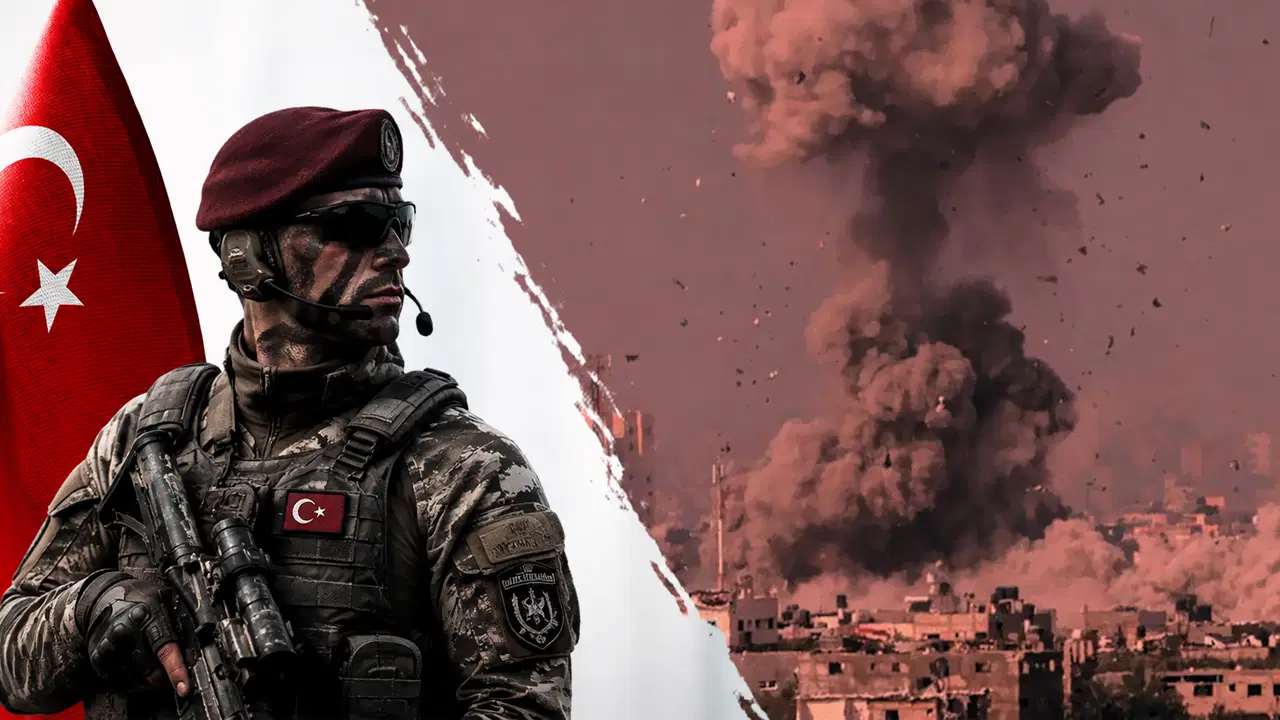
Turkey and Israel are increasingly positioning themselves as rivals for regional dominance, a dynamic that has intensified following the weakening of Iran and its allied networks, according to a policy note by Middle East history expert Dr. Howard Eissenstat.
The current calm does not mean a lasting reconciliation, and the risk of miscalculation is increasing.
The report, titled "Turkey-Israel Rivalry, The Next Great Middle East Conflict?", posits that while neither country plans for direct war in the near future, their competition is becoming structural. Both nations view themselves as central actors in shaping the region's future order, leading to escalating tensions.
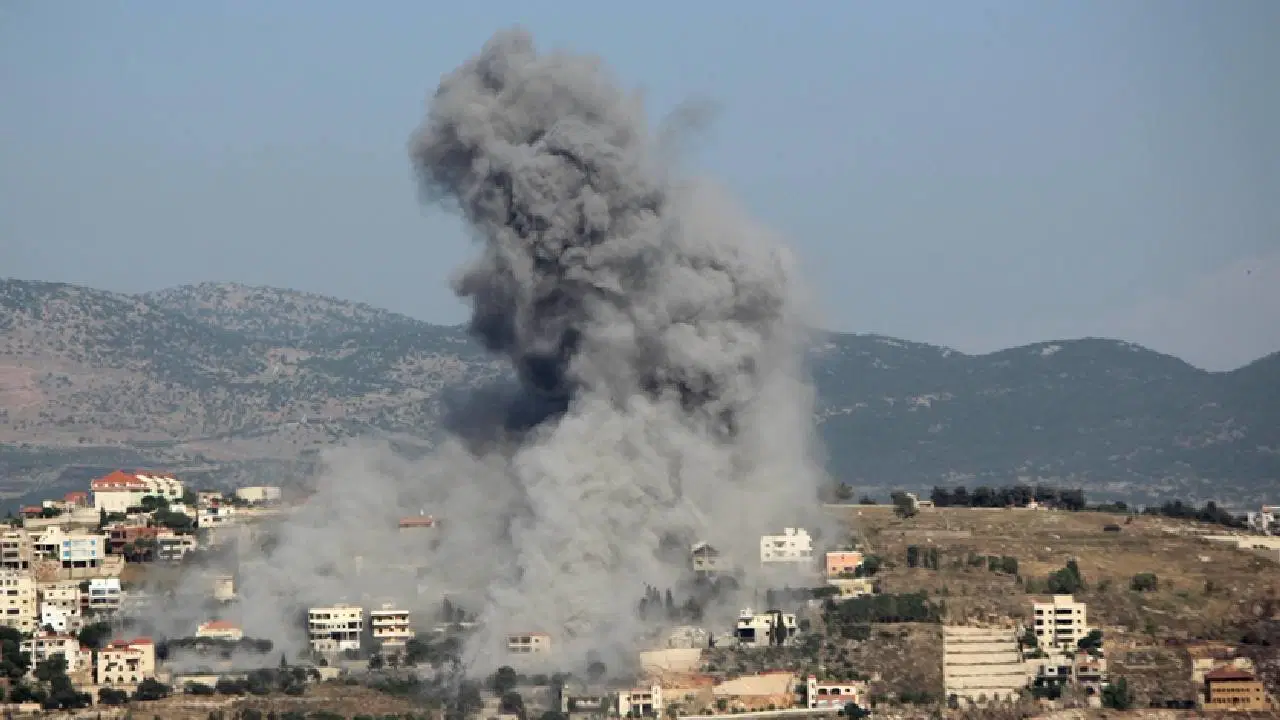
Eissenstat notes that the current calm does not signify a lasting reconciliation, and the risk of miscalculation is growing. The report points to an Israeli airstrike on Syrian air bases in April 2025, which were being evaluated for potential use by the Turkish military, as an early concrete sign of this new era. Despite a temporary de-escalation facilitated by U.S. intervention, fundamental disagreements persist.
Ankara perceives Israel as an increasingly urgent regional threat.
Ankara increasingly perceives Israel as its most immediate regional threat, according to Eissenstat. Conversely, Israeli decision-makers see Turkey as the "next major challenge" to their regional supremacy after Iran's military capabilities have been diminished. The report suggests that while direct conflict is not imminent, the deepening regional power vacuum will inevitably intensify this competition.
Israeli decision-makers also assess Turkey as the 'next major challenge' to the country's regional superiority.
The analysis also revisits the post-Arab Spring period, during which Turkey faced regional isolation due to its support for Qatar and opposition to Abdel Fattah el-Sisi's rise in Egypt. Meanwhile, Israel strengthened its regional standing by leveraging Gulf states' concerns about Iran, culminating in the 2020 Abraham Accords. The recent weakening of Iran and its proxies has shifted these dynamics. Eissenstat argues that Israel's military campaign against Iran removed a key reason for Gulf states to align with Tel Aviv. In contrast, Turkey is now increasingly seen by many regional countries as a valuable and necessary partner. Consequently, the struggle between Ankara and Tel Aviv has expanded beyond the Palestinian issue to a broader competition for leadership in the new regional order.
The weakening of Iran and its regional proxy forces has been the most significant change.
DistantNews Editorial
Originally published by Cumhuriyet in Turkish. Translated, summarized, and contextualized by our editorial team with added local perspective. Read our editorial standards.
More Stories


From Our Blog

What Gets Lost (and Found) When News Is Translated

The Critical Role of Diaspora Media in Global News

What Travellers Should Know About Countries with Restricted Press

A Digital Nomad's Guide to Following Local News

How the Same Story Looks Different in Different Countries
