


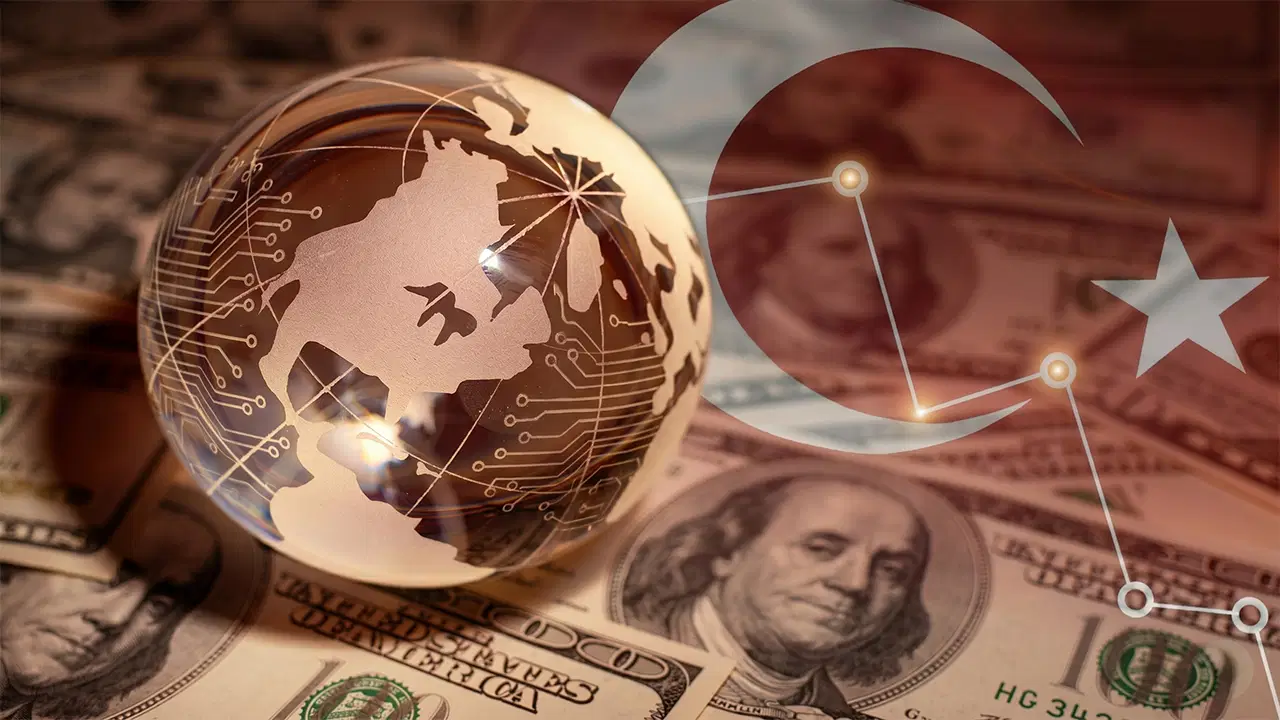
Turkey's economy faces risks from interest rate cuts, currency shifts: Barclays
Translated from Turkish, summarized and contextualized by DistantNews.
At a glance
Analysis
Named sources
Context piece
- Barclays warns of risks to Turkey's economy, predicting a 300 basis point interest rate cut by the Turkish Central Bank this year.
- The bank highlighted risks from rising oil prices and domestic investors shifting to foreign currency.
- These factors could challenge Turkey's controlled exchange rate policy and potentially increase inflation.
Barclays has issued a critical analysis of Turkey's economic outlook, warning of significant risks ahead. The financial institution anticipates that the Turkish Central Bank will implement a 300 basis point interest rate cut within the current year. However, Barclays cautions that this move, coupled with external pressures, could destabilize the nation's macroeconomic balance.
The bank specifically pointed to the potential impact of rising global oil prices and a domestic trend of investors moving their savings into foreign currencies. Such shifts, Barclays argues, would make it increasingly difficult for Turkey to sustain its current policy of a controlled exchange rate. This could lead to currency depreciation and renewed inflationary pressures.
Furthermore, Barclays suggested that any potential increase in energy costs could widen the country's current account deficit. This economic strain might, in turn, fuel speculation about an early general election. The analysis underscores the delicate economic tightrope Turkey is walking, balancing policy objectives with external vulnerabilities.
DistantNews Editorial
Originally published by Cumhuriyet in Turkish. Translated, summarized, and contextualized by our editorial team with added local perspective. Read our editorial standards.
More Stories


From Our Blog

What Gets Lost (and Found) When News Is Translated

The Critical Role of Diaspora Media in Global News

What Travellers Should Know About Countries with Restricted Press

A Digital Nomad's Guide to Following Local News

How the Same Story Looks Different in Different Countries
