


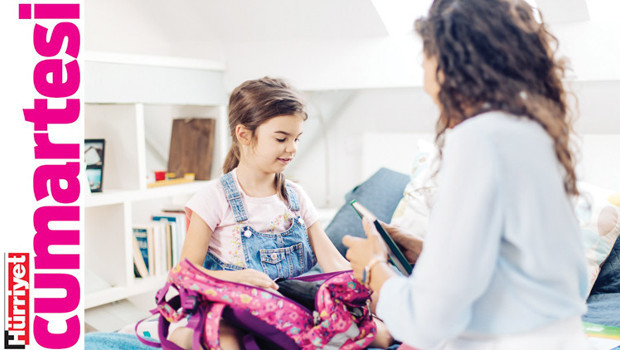

Turkey’s Education Ministry launches a ‘play’ plan for children stuck at home
Translated from Turkish and summarized by DistantNews. Read the original for the full story.
At a glance
Analysis
Official statement
New plan
- The article argues that play teaches children communication, rules, patience, cooperation and how to handle winning and losing.
- Urbanization, shrinking open spaces and increased screen use have reduced the time children spend playing outdoors.
- Turkey’s Education Ministry has organized children’s play festivals, created play areas in schoolyards and adopted a policy treating play as a right and part of healthy development.
Children once had to be called home from the street. Now, the harder task is getting them outside and away from screens. Turkey's Education Ministry is responding with a national plan intended to revive traditional games and give children more room to play.
The article presents play as far more than entertainment. Through games, children learn to speak, follow rules, wait their turn, accept defeat and show restraint after winning. They also reenact what they see and experience, test different behaviors and make them their own. In that sense, play is described as being at the heart of education, not merely an aid to it.
Urbanization has narrowed open spaces, while the old neighborhood streets where children of different ages met have largely disappeared. Research cited in the article shows that children are spending less time outside the home, with adults' planning decisions identified as a major factor. The article argues that protecting children's right to play requires cooperation across education, health, culture, sport, social services and urban planning.
The Ministry of National Education has organized children's play festivals and created play areas in schoolyards, alongside efforts to inform teachers. Its National Play Policy Document and Action Plan defines play as a basic right, cultural heritage and requirement for healthy development. The plan seeks to provide children with time and safe spaces, pass play culture between generations and establish a healthier balance between digital and physical games.
The article stresses that children first learn to lose through play. They also learn to respect another person's rights, wait, lead, follow a friend, fall out and make peace. The policy is therefore presented as more than drawing a few game markings in a schoolyard. It treats play as a fundamental part of childhood development.
About this summary
Originally published by Hürriyet in Turkish. Translated, summarized, and contextualized automatically by DistantNews, with a note on how the source frames the story. Not individually reviewed before publishing. How this works.
More Stories


From Our Blog

News in Translation: What Gets Lost, and How We Keep the Framing

Diaspora Media: How Communities Follow News From Home

Traveling Where the Press Is Not Free: How to Read the News There

The Digital Nomad's Guide to Local News

The Same Story, Different Countries: How Coverage Changes at the Border
