


Turkey's YENİ Party proposal on textile crisis rejected
Translated from Turkish, summarized and contextualized by DistantNews.
At a glance
News
Sources not specified
Context piece
- Turkey's YENİ Party's proposal to investigate issues in the textile and ready-to-wear sector was rejected by the ruling AKP and MHP parties.
- The YENİ Party lawmaker highlighted significant job losses, company closures, and a decline in Turkey's global market share in the sector.
- The lawmaker criticized the government's handling of the crisis, stating that incentives are poorly designed and firms are struggling to survive despite their efforts.
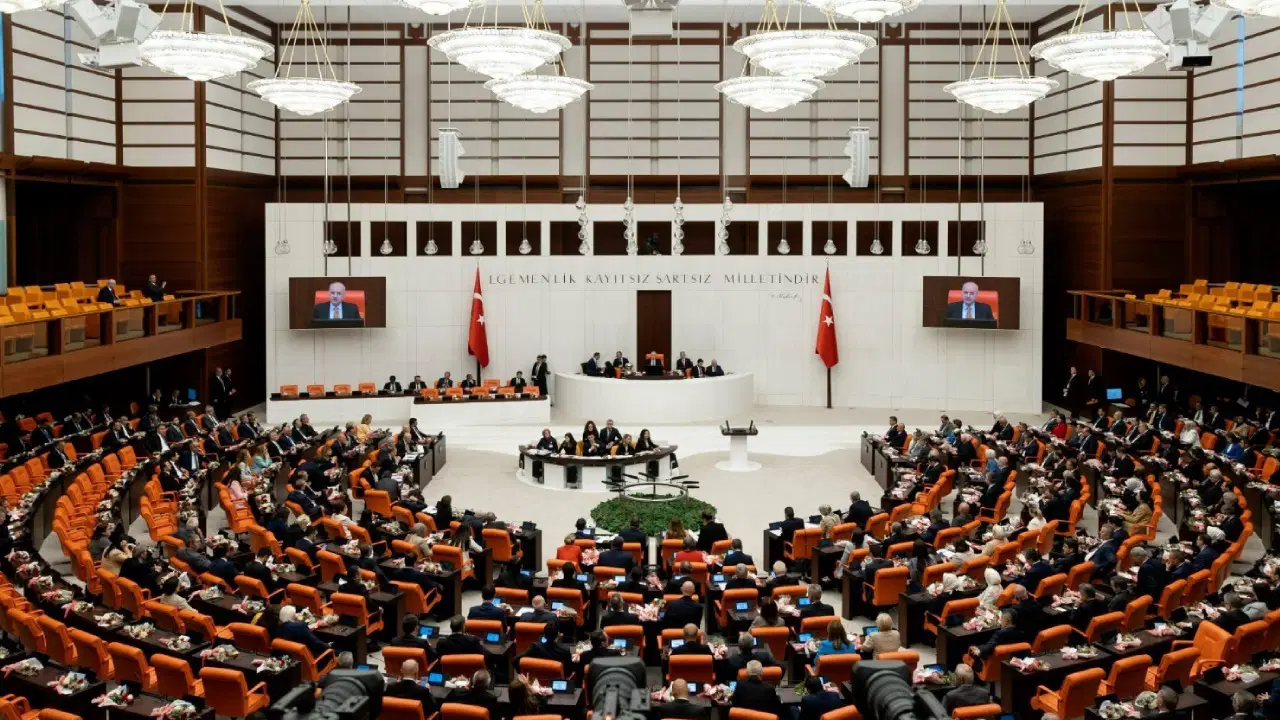
A parliamentary research proposal by Turkey's YENİ Party aimed at investigating the deep-seated problems within the textile and ready-to-wear sector was overwhelmingly rejected in the Grand National Assembly. The proposal, championed by YENİ Party Denizli Deputy Şeref Arpacı, sought to address critical issues that have led to significant economic hardship for the industry.
They said there is a temporary problem due to the global conjuncture, don't worry, it will pass. I said the sector was losing blood, heading for intensive care.
Arpacı detailed the dire situation, pointing to a substantial loss of over 500,000 jobs in the textile and ready-to-wear sectors, with 35% of the industry's value eroded. He highlighted that employment figures have regressed to levels seen 11 years ago in textiles and 11 years ago in ready-to-wear. Furthermore, approximately 10,000 companies, representing 15% of the sector, have shut down. Turkey's share in the global ready-to-wear market has plummeted to below 3%, a stark contrast to its sixth-place position with $3.7 billion in exports just five years prior. Overall exports have fallen from $21 billion to $16 billion.
The lawmaker criticized the government's response, dismissing potential justifications such as global economic conditions or market contraction. He specifically referenced a recent U.S. decision to impose an additional 12.5% tax on Turkish textile exports, questioning the government's claims of successful negotiations. "Where was the defense or representation against the additional tax from Turkey in the public records of the U.S. Trade Representative's Office?" Arpacı asked, adding, "We understood that we did not achieve what we wanted at that NATO meeting."
Where was the defense or representation against the additional tax from Turkey in the public records of the U.S. Trade Representative's Office? We understood that we did not achieve what we wanted at that NATO meeting.
Arpacı further argued that the incentives provided by the ruling AKP party are ineffective, citing that 86 different incentives from various institutions have failed to prevent the sector's decline. He explained that the conditions for these incentives are extremely difficult to meet, particularly regarding foreign currency conversion and employment support, resulting in very few firms utilizing them. Other incentives are described as weak and insufficient to address the industry's wounds. The current economic policies and high inflation mean that companies are unable to profit from their operations, with nominal growth being merely a result of currency devaluation. "Our firms are going bankrupt by working," Arpacı stated, emphasizing that financial gains do not cover operational losses.
Our firms are going bankrupt by working.
DistantNews Editorial
Originally published by Cumhuriyet in Turkish. Translated, summarized, and contextualized by our editorial team with added local perspective. Read our editorial standards.
More Stories


From Our Blog

What Gets Lost (and Found) When News Is Translated

The Critical Role of Diaspora Media in Global News

What Travellers Should Know About Countries with Restricted Press

A Digital Nomad's Guide to Following Local News

How the Same Story Looks Different in Different Countries
