

Turkey Works to Reopen Rail, Road Crossings with Armenia Amid Trade Facilitation Push
Translated from Turkish, summarized and contextualized by DistantNews.
At a glance
News
Named sources
Context piece
- Turkey is working to reopen historical road and rail crossings with Armenia, with maintenance and tender processes underway on both sides.
- Minister Uraloğlu emphasized that visa delays and complicated customs procedures hinder trade, even after deals are signed and payments made.
- He called for faster processing of driver and seafarer visas and simplified customs procedures to facilitate trade, noting that no country can be self-sufficient in today's global economy.
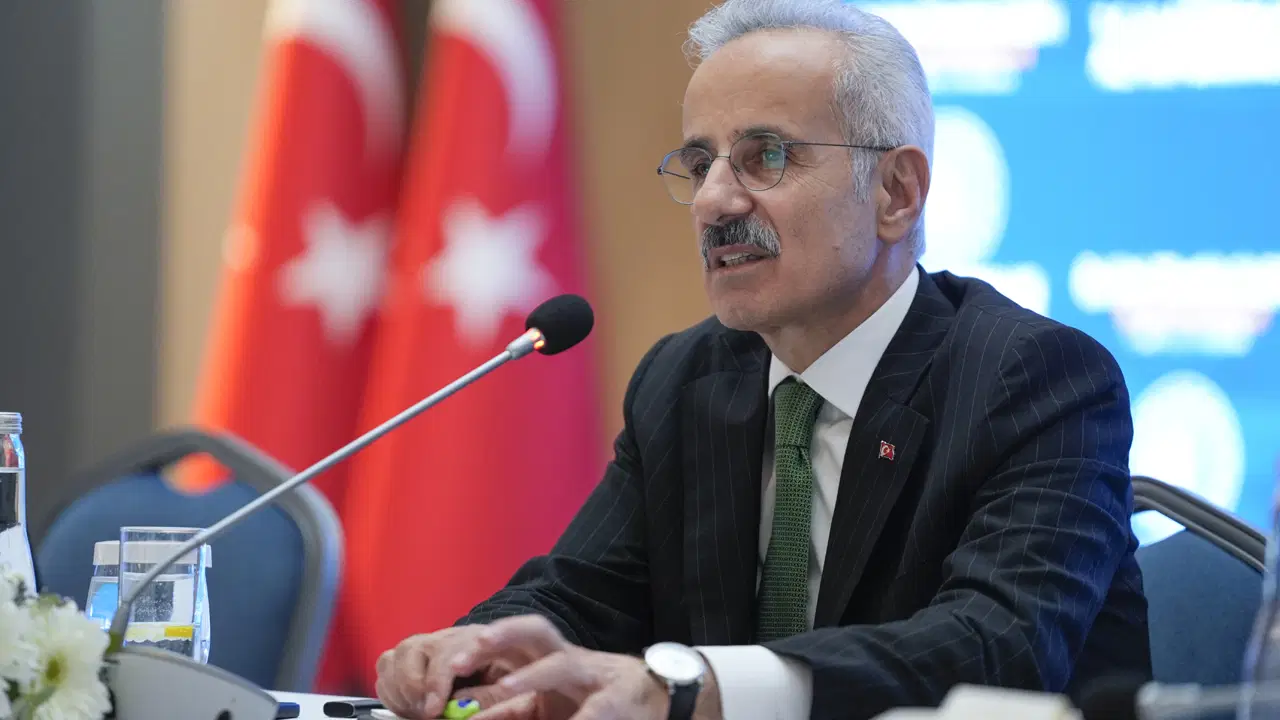
Turkey is actively pursuing the reopening of historical road and rail transit points with Armenia, according to Transport and Infrastructure Minister Abdulkadir Uraloğlu. He stated that necessary maintenance, preparation, and tender processes are progressing on both sides to revive these routes. Uraloğlu highlighted the critical role of efficient transit in international trade, explaining that delays in visa issuance and cumbersome customs procedures can negate completed business transactions. "You are essentially wasting a completed job at the customs gates or due to visa procedures if visas are not issued on time and customs clearances are not facilitated," he said. The minister pointed to the lengthy transit times for goods from China to Europe, which can range from 14 to 45 days depending on the route. He stressed the need for simplification, asking, "If we are not going to facilitate this, then why are we doing trade?" Uraloğlu also advocated for the swift processing of driver and seafarer visas, along with streamlined customs procedures, particularly in relations with EU member states and other countries. He underscored that in the current globalized economy, no nation can achieve self-sufficiency, making efficient and accessible trade routes essential for economic activity.
all trains are temporarily held at stations
DistantNews Editorial
Originally published by Cumhuriyet in Turkish. Translated, summarized, and contextualized by our editorial team with added local perspective. Read our editorial standards.
More Stories


From Our Blog

What Gets Lost (and Found) When News Is Translated

The Critical Role of Diaspora Media in Global News

What Travellers Should Know About Countries with Restricted Press

A Digital Nomad's Guide to Following Local News

How the Same Story Looks Different in Different Countries
