

Turkish Artists Face Widespread Job Insecurity and Poverty, Union Survey Finds
Translated from Turkish, summarized and contextualized by DistantNews.
TLDR
- A survey by the Music and Stage Performers Union (Müzik-Sen) reveals that 95.3% of artists struggle with job continuity, and 89.8% lack unemployment insurance.
- The majority of artists (76.1%) do not sign written contracts, leading to rights violations, as employers often avoid these costs or disregard verbal agreements.
- Over 43% of artists earn below 1.5 times the poverty line, with many experiencing irregular income that prevents them from meeting basic needs.
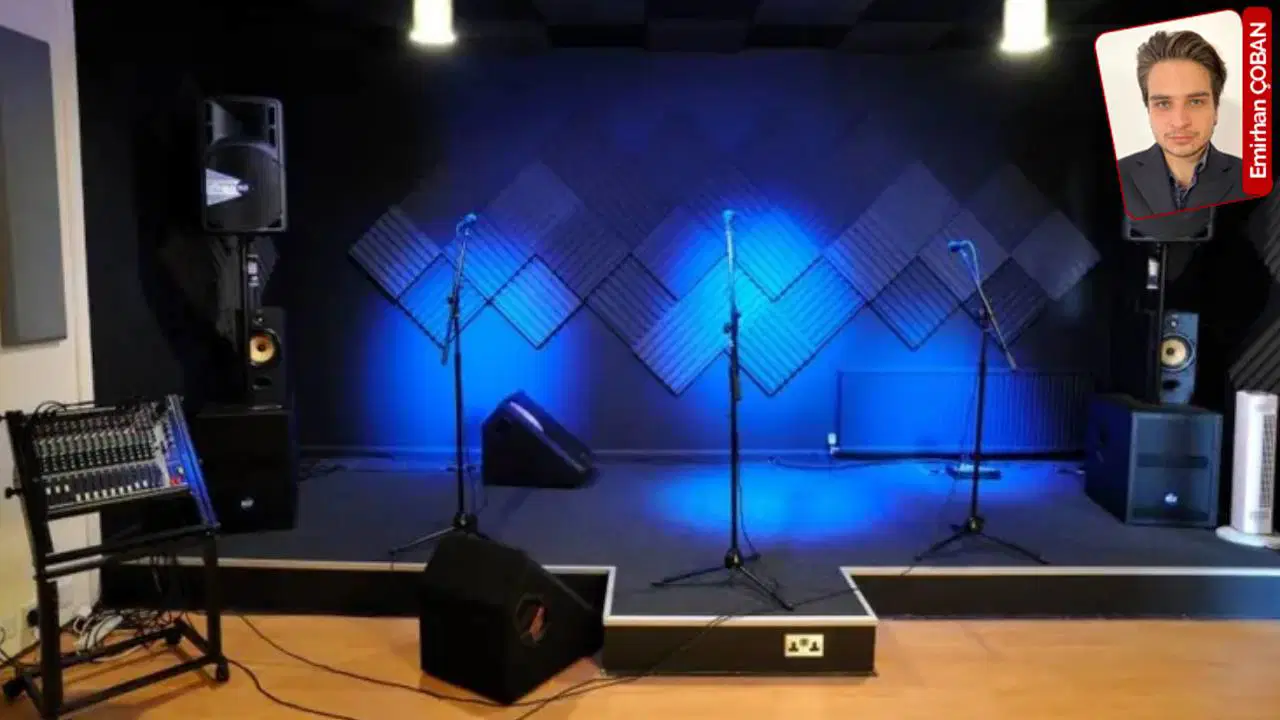
The harsh realities faced by musicians and stage performers in Turkey are laid bare by a recent survey conducted by the Music and Stage Performers Union (Müzik-Sen). The findings paint a grim picture of job insecurity, financial precarity, and a lack of basic social protections for a significant portion of the artistic community. Shockingly, 95.3% of these artists report difficulties in maintaining consistent work, while a staggering 89.8% are not even covered by unemployment insurance, leaving them vulnerable during inevitable work gaps.
There is no legal guarantee to protect music and stage workers against these unemployment gaps. Because 89.8% of music and stage workers do not even have 'Unemployment Insurance'.
The absence of formal contracts exacerbates these challenges. The survey indicates that a vast majority, 76.1%, of music and stage workers do not sign written agreements when starting a job. This lack of formal documentation leaves them susceptible to rights violations, as employers frequently sidestep contractual obligations or simply avoid the associated costs. Müzik-Sen rightly calls for mandatory written contracts in the performing arts sector, where atypical work arrangements are common, to ensure fair treatment and prevent exploitation.
The absence of a written contract causes music and stage workers to experience loss of rights. It is a fact that most employers do not enter into contracts to avoid these costs or do not comply with verbal contracts made at the beginning of work. Therefore, necessary legal regulations should be made and 'written contracts' should be made mandatory in situations where atypical work is widespread, as in the field of performing arts.
Financially, the situation is equally dire. A significant 43.6% of artists earn less than 1.5 times the poverty line, and for 23.8%, their income is so irregular that they cannot even declare it. This precarious financial state, coupled with the responsibility of self-funding their own insurance premiums due to employer non-compliance, highlights the extreme vulnerability of these cultural workers. The union's data underscores a critical need for legislative intervention to provide a safety net and ensure that those who enrich our lives with their art can also live with dignity and security.
These figures show how vulnerable music and stage workers are in terms of their livelihoods, as they provide for the renewal, maintenance, and repair of the means of production themselves and mostly pay their insurance premiums themselves as they are not insured by the employer.
DistantNews Editorial
Originally published by Cumhuriyet in Turkish. Translated, summarized, and contextualized by our editorial team with added local perspective. Read our editorial standards.
More Stories

From Our Blog

What Gets Lost (and Found) When News Is Translated

The Critical Role of Diaspora Media in Global News

What Travellers Should Know About Countries with Restricted Press

A Digital Nomad's Guide to Following Local News

How the Same Story Looks Different in Different Countries
