

Turkish farmers plant based on hope, not choice, amid rising costs
Translated from Turkish, summarized and contextualized by DistantNews.
At a glance
News
Named sources
Context piece
- Turkish farmers are increasingly planting crops based on economic necessity rather than personal choice due to rising costs and insufficient support.
- Drought conditions and escalating input expenses are creating significant uncertainty in the agricultural sector.
- The head of Çiftçi-Sen stated that farmers "hope for a different crop each year" but often fail to even cover their costs.
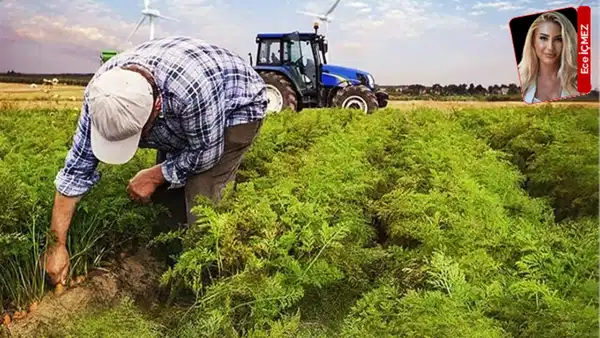
Turkish farmers are finding themselves in a precarious position, increasingly compelled to plant crops dictated by economic realities rather than their own preferences. The agricultural landscape is fraught with uncertainty, fueled by persistent drought conditions and rapidly escalating costs for essential inputs.
Compounding these challenges are inadequate support systems, leaving farmers with little choice but to make planting decisions based on immediate economic pressures. This shift signifies a move away from traditional farming practices and personal crop selection towards a strategy driven by survival.
Ali Bülent Erdem, the General President of Çiftçi-Sen (Farmers' Union), highlighted the cyclical nature of this struggle. "They hope for a different crop each year," he said, "but at the end of that hope, they find themselves unable to even cover their costs."
This situation underscores a growing crisis in the Turkish agricultural sector, where the combination of environmental challenges and economic hardships is threatening the livelihoods of farmers and potentially impacting the nation's food security. The uncertainty in the fields is palpable, as farmers navigate a complex web of rising expenses and insufficient aid.
They hope for a different crop each year. But at the end of that hope, they find themselves unable to even cover their costs.
DistantNews Editorial
Originally published by Cumhuriyet in Turkish. Translated, summarized, and contextualized by our editorial team with added local perspective. Read our editorial standards.
More Stories

From Our Blog

What Gets Lost (and Found) When News Is Translated

The Critical Role of Diaspora Media in Global News

What Travellers Should Know About Countries with Restricted Press

A Digital Nomad's Guide to Following Local News

How the Same Story Looks Different in Different Countries
