

Turkish Lawmaker Demands Probe into 'Free Funds' Amid Profit Allegations
Translated from Turkish, summarized and contextualized by DistantNews.
At a glance
News
Sources not specified
Context piece
- A Turkish opposition lawmaker is calling for an investigation into "free funds" managed by the Capital Markets Board, citing potential massive profits.
- The lawmaker alleges that these funds have grown into a multi-trillion lira market and questions the delay in tightening regulations.
- He urges a review of fund-stock relationships, beneficial owners, and unusual transactions from past periods.
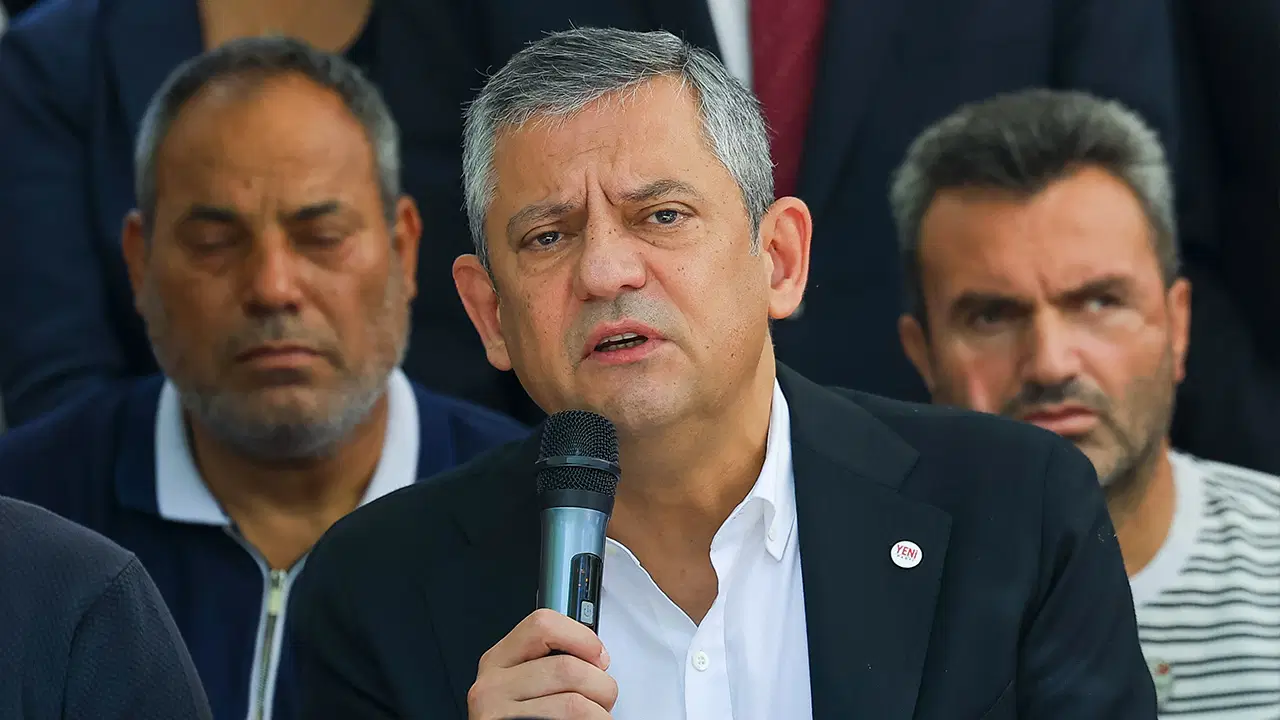
A prominent opposition figure in Turkey has demanded a thorough investigation into the country's "free funds," alleging that billions of liras in profits have been generated through these financial instruments. Özgür Karabat, a member of the Yeni Party and a lawmaker from Istanbul, criticized the Capital Markets Board (SPK) for its delayed response in strengthening regulations for these funds.
Karabat stated that the SPK is only now preparing to tighten rules for free funds, questioning the reason for the delay. He highlighted that these funds have rapidly evolved into a massive market worth trillions of liras over just a few years. The lawmaker asserted that past activities within these funds require scrutiny.
Specifically, Karabat called for an examination of fund-stock relationships, the identification of real beneficiaries, and the investigation of market concentrations, actual free floats, and any unusual transactions that occurred in previous periods. His call underscores concerns about transparency and potential irregularities in Turkey's financial markets.
So why so late? These funds have turned into a giant market worth trillions of liras in a few years. Fund-stock relationships, real beneficiaries, concentrations, free float accounts, and unusual transactions should be examined in the past period.
DistantNews Editorial
Originally published by Cumhuriyet in Turkish. Translated, summarized, and contextualized by our editorial team with added local perspective. Read our editorial standards.
More Stories


From Our Blog

What Gets Lost (and Found) When News Is Translated

The Critical Role of Diaspora Media in Global News

What Travellers Should Know About Countries with Restricted Press

A Digital Nomad's Guide to Following Local News

How the Same Story Looks Different in Different Countries
