

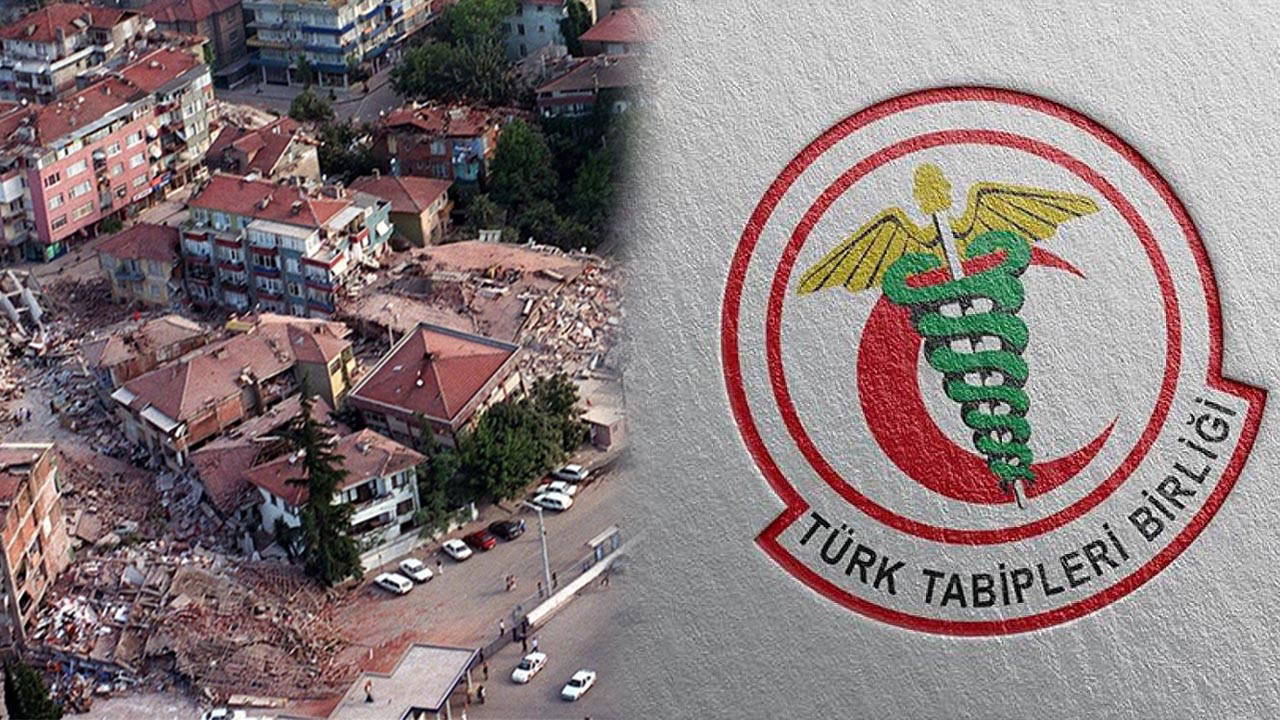
Turkish Medical Association marks 27th anniversary of Marmara earthquake, warns of unchanged destruction
Translated from Turkish, summarized and contextualized by DistantNews.
At a glance
News
Sources not specified
Context piece
- The Turkish Medical Association (TTB) marked the 27th anniversary of the 1999 Marmara earthquake, noting that 18,373 people died and 48,901 were injured.
- TTB criticized the government for failing to implement measures to protect people and structures despite knowing the risks, citing urban planning amnesties and disregarded scientific warnings.
- The association called for laws, regulations, and reconstruction processes related to disasters to be developed and implemented with public participation, emphasizing that disaster memory should be a basis for action, not victimhood.
On the 27th anniversary of the 1999 Marmara earthquake, which claimed over 18,000 lives and injured nearly 49,000, the Turkish Medical Association (TTB) issued a stark reminder that the devastation has not changed. The association highlighted that despite the passage of time and numerous legal and regulatory changes, the country remains vulnerable to earthquake destruction.
27 years have passed since the 17 August 1999 Gölcük Earthquake, the second largest earthquake recorded in the country's history. Unfortunately, this disaster does not only remain in our memory. It comes to the fore again with every earthquake.
TTB criticized the persistent failure to implement protective measures for citizens and infrastructure, attributing the ongoing risk to disregarded scientific warnings, flawed policies, and the prioritization of profit over safety. The group pointed to urban planning amnesties as a means of legitimizing unsafe structures, thereby exacerbating the earthquake risk rather than mitigating it. The devastating earthquakes of February 6, 2023, were cited as a tragic consequence of lessons unlearned from the 1999 disaster.
Although many things have changed since that day, the destruction brought by earthquakes in Turkey has not changed.
The association further argued that the post-earthquake reconstruction efforts have often prioritized rapid construction and capital accumulation over community well-being and environmental considerations. This approach has led to the creation of settlements lacking essential infrastructure such as transportation, clean water, sanitation, schools, and healthcare facilities, generating new uncertainties, inequalities, and public health issues.
Not taking measures to protect people and structures in a country where earthquake danger and risk are known, ignoring scientific warnings, insisting on wrong practices, and sacrificing life for rent make preventable destruction inevitable.
TTB stressed that remembering the disaster means more than just recalling the pain. It involves acknowledging the known risks, the lack of preventative measures, the unsafe construction practices legitimized by amnesties, the destruction of essential services, and the ongoing struggles of survivors. The association urged authorities and responsible institutions to involve the public, universities, professional organizations, unions, and NGOs in developing and enforcing disaster-related laws, regulations, and reconstruction plans.
We call on those who govern our country and responsible institutions, on the 27th anniversary of the 17 August Earthquake, to develop laws, regulations, plans and reconstruction processes related to disasters together with the society and to ensure their unconditional implementation.
DistantNews Editorial
Originally published by Cumhuriyet in Turkish. Translated, summarized, and contextualized by our editorial team with added local perspective. Read our editorial standards.
More Stories
From Our Blog

What Gets Lost (and Found) When News Is Translated

The Critical Role of Diaspora Media in Global News

What Travellers Should Know About Countries with Restricted Press

A Digital Nomad's Guide to Following Local News

How the Same Story Looks Different in Different Countries
