


Turkish parliament approves 'student amnesty' provision
Translated from Turkish, summarized and contextualized by DistantNews.
At a glance
News
Named sources
Approved/passed
- Turkey's parliament approved a "student amnesty" provision allowing former students to resume their higher education.
- The measure enables students who were dismissed or unable to register for various reasons to continue their studies.
- Critics argue the law was prepared hastily without expert input and fails to address fundamental issues in higher education.
Turkey's Grand National Assembly has approved a significant "student amnesty" provision within a broader education reform bill. This measure aims to grant a second chance to students who had their ties severed with higher education institutions or were unable to register despite qualifying.
The commission met continuously, from one night until morning, and after fifteen hours of negotiation, a law emerged. Unions, NGOs, and experts in the field were absent during the law preparation process. Only YÖK was present, and it is already a party. We are unfortunately discussing a decision where the judge, the lawyer, and the prosecutor are the same.
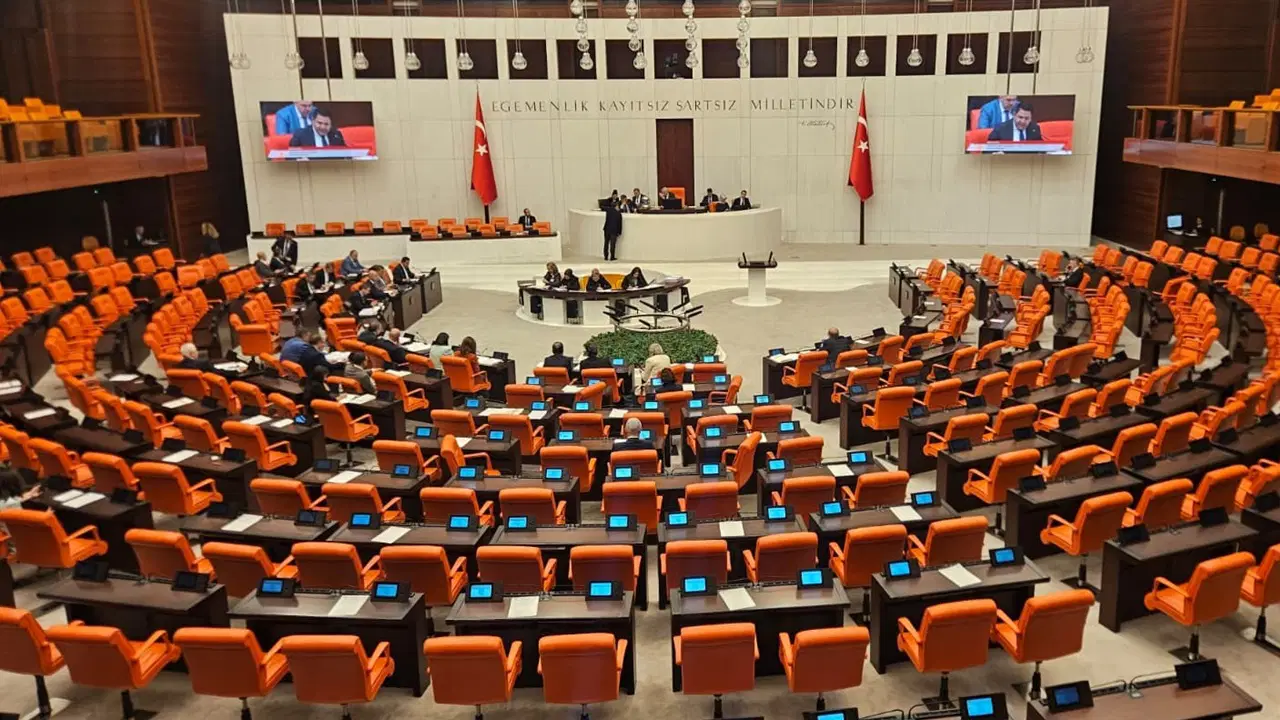
The provision, which passed during a plenary session, allows these students to resume their studies. It comes after months of anticipation, with the bill being debated and finalized rapidly. However, the process has drawn criticism from some lawmakers.
Only one academic will be pleased by this law, and that is the two or three people at the center of YÖK; it is not a situation that almost any ordinary academic in any province of Anatolia, except doctors, will be pleased with.
Necmettin Çalışkan, representing the Yeni Yol Group, voiced concerns about the legislative process. He argued that the bill was drafted hastily, with commission meetings concluding in a single night after fifteen hours of negotiation. Çalışkan lamented the absence of input from trade unions, non-governmental organizations, and subject matter experts, stating that only the Council of Higher Education (YÖK) was involved, which he described as a party to the matter.
The greatest destruction has occurred in the field of education.
Çalışkan further contended that the law will not satisfy many stakeholders, except for a select few within YÖK. He believes the legislation fails to resolve the fundamental problems plaguing higher education, despite the National Education Commission's efforts to prepare a comprehensive regulation. He also criticized the ruling party's education policies, asserting that the education sector has suffered the most significant damage, particularly citing the negative impact of 12-year compulsory education on vocational training and the resulting reliance on external labor across various sectors.
Universities have now become factories that produce unemployment.
DistantNews Editorial
Originally published by Cumhuriyet in Turkish. Translated, summarized, and contextualized by our editorial team with added local perspective. Read our editorial standards.
More Stories



From Our Blog

What Gets Lost (and Found) When News Is Translated

The Critical Role of Diaspora Media in Global News

What Travellers Should Know About Countries with Restricted Press

A Digital Nomad's Guide to Following Local News

How the Same Story Looks Different in Different Countries
