



Turkiye, Saudi Arabia, Pakistan ink new defense pact
Translated from English, summarized and contextualized by DistantNews.
At a glance
News
Sources not specified
New plan
- A new defense pact between Turkiye, Saudi Arabia, and Pakistan has reshaped the regional strategic landscape.
- The Makkah Joint Defence Agreement states an attack on one is an attack on all, aiming to deter external aggression without targeting specific nations.
- The alliance is seen as a move to reduce dependence on the US and counter Israel's expansionist agenda, potentially attracting other Gulf countries.
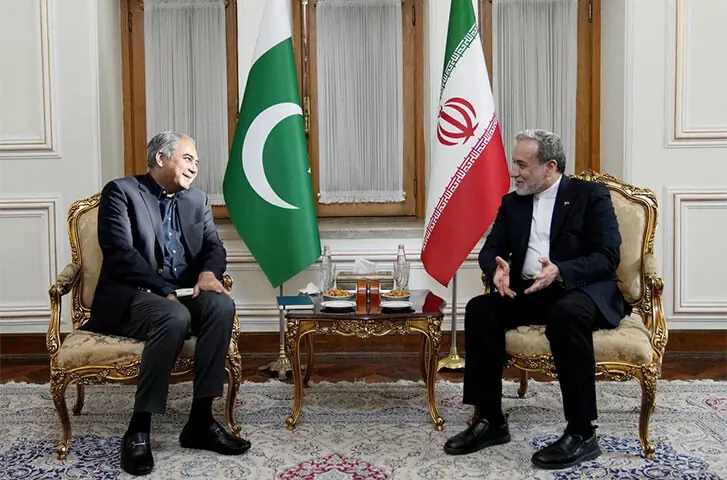
A new triangular defense pact signed by Turkiye, Saudi Arabia, and Pakistan marks a significant geopolitical shift in the region. This Makkah Joint Defence Agreement, expanding on a prior pact between Saudi Arabia and Pakistan, creates a formidable bloc spanning the Middle East, South Asia, and Europe.
any armed attack against any one of the three states shall be regarded as an attack against them all
While the full text remains unpublished, the agreement declares that an armed attack against any one of the three states will be considered an attack against all. The pact is presented as a deterrent against external aggression, though it does not specify a common threat. This comes amid ongoing conflicts, including the US-led war on Iran and Israel's expansionist actions, which have destabilized regional security.
The Makkah Agreement is being viewed as similar to Nato’s Article 5, but any military response would still require political decision-making.
The alliance is viewed as an emerging regional security architecture that lessens reliance on the United States and pushes back against Israel's expansionist policies. It is not a religious alliance but a strategic one, with potential for other Gulf nations, particularly those affected by Iran's actions against US bases, to join. The pact raises questions about the reliability of the US as a security guarantor, especially given its bases potentially making countries more vulnerable.
It is wrong to brand the newly formed defence bloc a Muslim alliance or, more narrowly, a Sunni one. It represents an emerging regional security architecture that reduces dependence on the US and pushes back against Israel’s expansionist agenda.
Despite the shift, the countries involved maintain good relations with Washington. The US has remained notably silent on the new alliance. Egypt, previously part of a quad with these nations, was expected to join. The agreement fundamentally alters the strategic landscape, signaling a move toward greater regional autonomy.
Questions have been raised about the reliability of the US as a defence guarantor for its Middle Eastern partners. Instead of ensuring security, the presence of US military bases has made these countries, many of which also have security pacts with Washington, more vulnerable.
DistantNews Editorial
Originally published by Dawn in English. Translated, summarized, and contextualized by our editorial team with added local perspective. Read our editorial standards.
More Stories

From Our Blog

What Gets Lost (and Found) When News Is Translated

The Critical Role of Diaspora Media in Global News

What Travellers Should Know About Countries with Restricted Press

A Digital Nomad's Guide to Following Local News

How the Same Story Looks Different in Different Countries
