


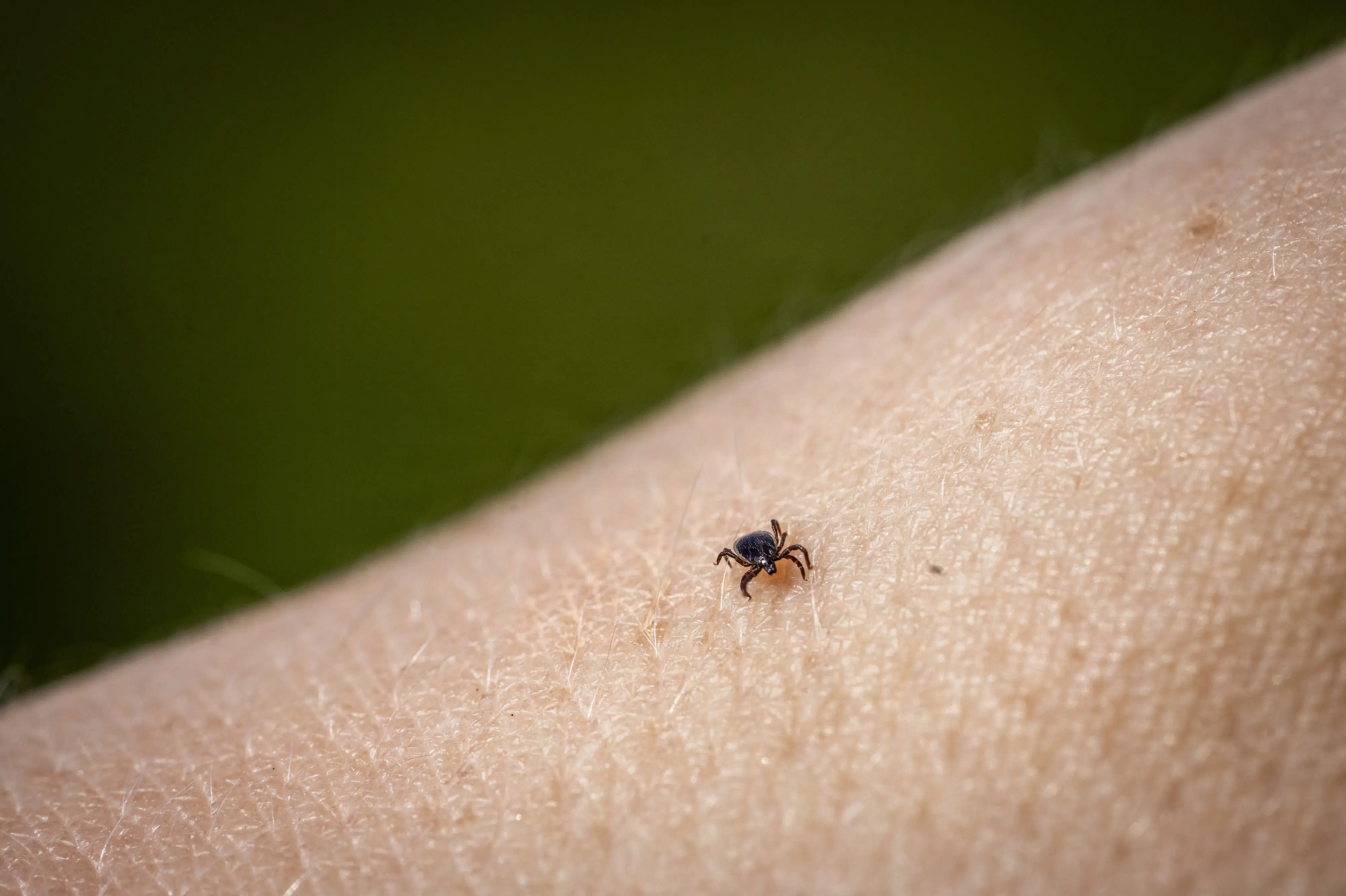
Two new areas in Denmark identified as having potential TBE risk from ticks
Translated from Danish and summarized by DistantNews. Read the original for the full story.
At a glance
News
From a news agency
Context piece
- Two new areas in Denmark, Hals in North Jutland and Marielyst on Falster, are now considered at potential risk for TBE virus infection from ticks.
- TBE, or tick-borne encephalitis, is a viral infection transmitted by tick bites, with previously known risk areas mainly in North Zealand and on Bornholm.
- Experts emphasize that while the risk of infection is minimal, public awareness and vigilance are crucial, recommending regular tick checks after outdoor activities.
The spread of ticks carrying the TBE virus has prompted Danish health authorities to expand the list of at-risk areas. Hals in North Jutland and Marielyst on Falster are the latest locations identified by the Statens Serum Institut (SSI) as having a potential risk of TBE virus transmission.
It has a lot to do with our attention. Both from citizens and doctors about tick-borne diseases.
Tick-borne encephalitis (TBE) is a viral infection that can cause inflammation of the brain. The virus is transmitted to humans through the bite of infected ticks. Previously, the primary risk areas in Denmark were concentrated in North Zealand and on the island of Bornholm. However, the SSI's updated list now includes these two new locations, reflecting the expanding geographical reach of the tick population.
Professor Karen Angeliki Krogfelt from Roskilde University described the expansion of identified risk areas as a positive development, largely due to increased awareness among both the public and medical professionals regarding tick-borne diseases. She noted that it is unrealistic to assume that ticks carrying the TBE virus are confined to only a few specific parts of the country, urging general vigilance.
It is indeed problematic. Many never find out that they have TBE.
While the risk of contracting TBE from a tick bite is considered minimal, Krogfelt highlighted that the infection can be difficult to detect. "Many never find out that they have TBE," she stated. Initial symptoms often resemble influenza, with body aches. However, if the body cannot fight off the virus, more severe neurological symptoms can emerge, including sensory disturbances, paralysis, and balance issues.
Then you start to have neurological symptoms, which are sensory disturbances, paralysis, and imbalance.
Last year, Denmark recorded 10 TBE cases, a decrease from 22 cases in 2024 and 28 in 2023. Ticks in Denmark are also frequently associated with Lyme disease (borreliosis), with an estimated 30% of ticks carrying the bacteria responsible for it. Krogfelt's primary recommendation is for everyone to remain vigilant, comparing it to being aware in traffic. She advises wearing appropriate clothing outdoors and thoroughly checking for and removing ticks after returning home.
It's about being aware. Just like when you are in traffic. Put on proper clothes, shoes, and pants, and when you get home, you should check for ticks every time and remove them.
About this summary
Originally published by Berlingske in Danish. Translated, summarized, and contextualized automatically by DistantNews, with a note on how the source frames the story. Not individually reviewed before publishing. How this works.
More Stories



From Our Blog

What Gets Lost (and Found) When News Is Translated

The Critical Role of Diaspora Media in Global News

What Travellers Should Know About Countries with Restricted Press

A Digital Nomad's Guide to Following Local News

How the Same Story Looks Different in Different Countries
