


Two South Korean Ships Pass Through Strait of Hormuz; 22 Vessels Remain
Translated from Korean, summarized and contextualized by DistantNews.
At a glance
News
Official statement
Ongoing story
- Two South Korean-operated ships have passed through the Strait of Hormuz, with no Korean crew members aboard and heading to non-Korean destinations.
- This marks the first passage of South Korean-affiliated vessels through the strait since a US-Iran agreement on maritime passage safety.
- With these two ships cleared, 22 South Korean vessels remain in the Persian Gulf, and 135 Korean nationals are currently on board ships in the strait area.
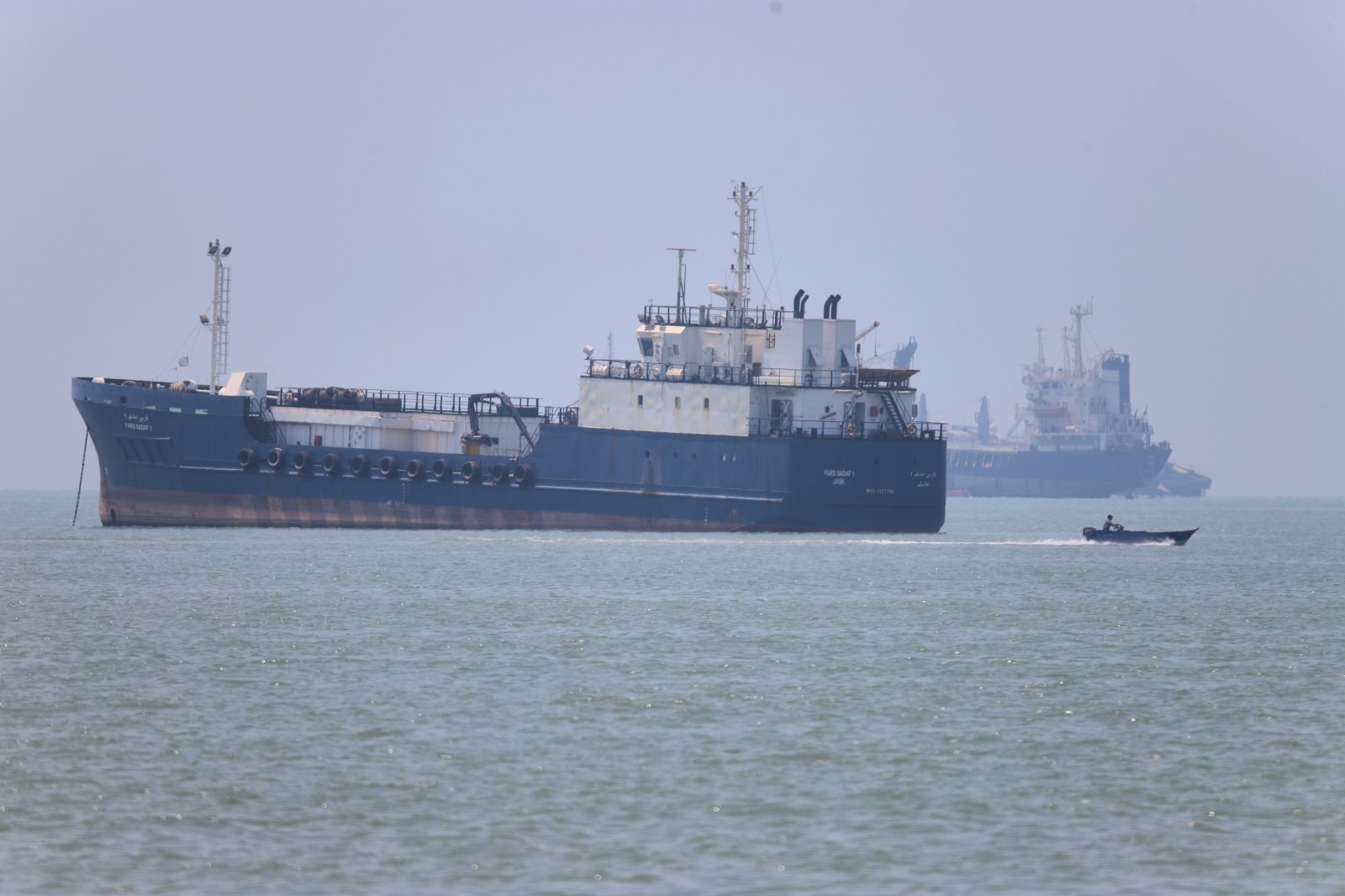
Two South Korean-operated vessels have successfully navigated the Strait of Hormuz, signaling a potential easing of tensions in the critical waterway. The Ministry of Oceans and Fisheries confirmed on July 22 that two ships, previously waiting within the strait, have passed through and are continuing their normal voyages. Importantly, neither vessel carries South Korean crew members, nor are they destined for South Korea.
This development is significant as it represents the first passage of South Korean-affiliated ships through the strait since the recent US-Iran agreement, which includes provisions for ensuring safe passage. The agreement, outlined in Article 5 of the US-Iran Memorandum of Understanding, guarantees Iran's commitment to maritime safety in the Strait of Hormuz for a 60-day period, including toll-free transit. Following this, the Persian Gulf Shipping Authority (PGSA) began accepting transit applications from various shipping companies.
The successful passage of these two ships reduces the number of South Korean vessels currently within the Persian Gulf to 22. When the strait was effectively blocked in late February, there were 26 South Korean ships in the area. Of these, two had previously exited after negotiations with Iran. Currently, a total of 135 South Korean nationals are on board ships in the strait vicinity, comprising 102 crew members on South Korean vessels and 33 on foreign-flagged ships. The Ministry of Oceans and Fisheries continues to provide support, including real-time monitoring and information sharing, to ensure the safe transit of these remaining vessels.
Discussions between the US and Iran regarding the Strait of Hormuz remain a key agenda item in their ongoing follow-up talks in Switzerland. Both nations are reportedly focused on establishing conflict prevention mechanisms to maintain the complete openness of the strait.
DistantNews Editorial
Originally published by Hankyoreh in Korean. Translated, summarized, and contextualized by our editorial team with added local perspective. Read our editorial standards.
More Stories
From Our Blog

What Gets Lost (and Found) When News Is Translated

The Critical Role of Diaspora Media in Global News

What Travellers Should Know About Countries with Restricted Press

A Digital Nomad's Guide to Following Local News

How the Same Story Looks Different in Different Countries
