


Two-Thirds of Mexican Workers in Labor Poverty Remain Trapped, Study Finds
Translated from Spanish, summarized and contextualized by DistantNews.
At a glance
News
Named sources
Context piece
- 66% of Mexican workers in labor poverty remain in that condition, unable to generate sufficient income for their families, according to the Espinosa Yglesias Studies Center (CEEY).
- Women, informal workers, and residents of states like Chiapas, Veracruz, Guerrero, or Hidalgo face greater obstacles to escaping labor poverty.
- Households that overcome labor poverty often have more members working, while those that remain often depend on a single income or no income at all.
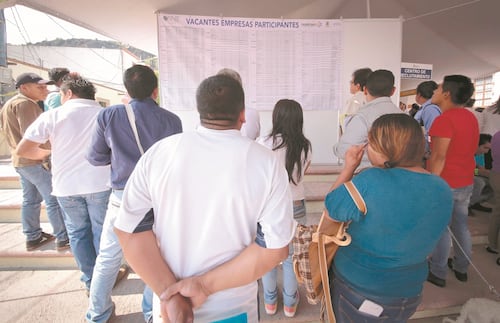
In Mexico, escaping labor poverty is a significant challenge, with two-thirds of affected workers remaining trapped in the condition, unable to secure enough income for their families, according to the Espinosa Yglesias Studies Center (CEEY).
The CEEY's Social Mobility Barometer reveals that this situation is particularly dire for female-headed households, informal workers, and those residing in states such as Chiapas, Veracruz, Guerrero, and Hidalgo. The study highlights that 65.8% of individuals in labor poverty in early 2025 remained in the same situation by early 2026, indicating a prolonged period of insufficient household income.
Women face greater hurdles in the labor market; while 43% of households that remained in labor poverty were headed by women, only 36% of those who escaped this condition were female-headed. This disparity underscores the systemic obstacles women encounter in achieving economic stability.
65.8% of people who were in labor poverty in the first quarter of 2025 remained in this situation in the first quarter of 2026; that is, they were in labor poverty for at least a year, which implies that the household did not generate sufficient income to cover the cost of a food basket for the whole family.
Geographic location also plays a crucial role, with residents of Chiapas, Veracruz, Guerrero, and Hidalgo having a higher probability of remaining in labor poverty. Furthermore, households that successfully exit poverty typically have multiple members contributing to the labor market. In contrast, households struggling to escape often rely on a single earner, and some have no working members at all.
Those who manage to increase their income often see substantial gains, moving from an average of 4,300 to 12,700 pesos per household monthly. This increase is frequently driven by greater labor participation. Conversely, households remaining in poverty experience stagnant incomes, averaging around 2,600 pesos monthly. The quality of employment is also a concern, as many workers, whether remaining in or entering the labor force, do so in informal conditions without social security access.
the reason why some people can get out of labor poverty and others cannot, is found in the...
DistantNews Editorial
Originally published by El Universal in Spanish. Translated, summarized, and contextualized by our editorial team with added local perspective. Read our editorial standards.
More Stories


From Our Blog

What Press Freedom Means for the News You Read

What Gets Lost (and Found) When News Is Translated

The Critical Role of Diaspora Media in Global News

What Travellers Should Know About Countries with Restricted Press

A Digital Nomad's Guide to Following Local News
