

U.S. College Sports' Financial Boom Challenges Danish Basketball Recruitment
Translated from Danish, summarized and contextualized by DistantNews.
At a glance
News
Named sources
Context piece
- Danish national basketball coach Allan Foss faces challenges recruiting players committed to U.S. college programs.
- Increased NIL (Name, Image, Likeness) compensation in U.S. college sports makes it harder for European players to return for national team duties.
- The trend impacts European leagues and Denmark's own VM qualification efforts, forcing strategic adjustments.
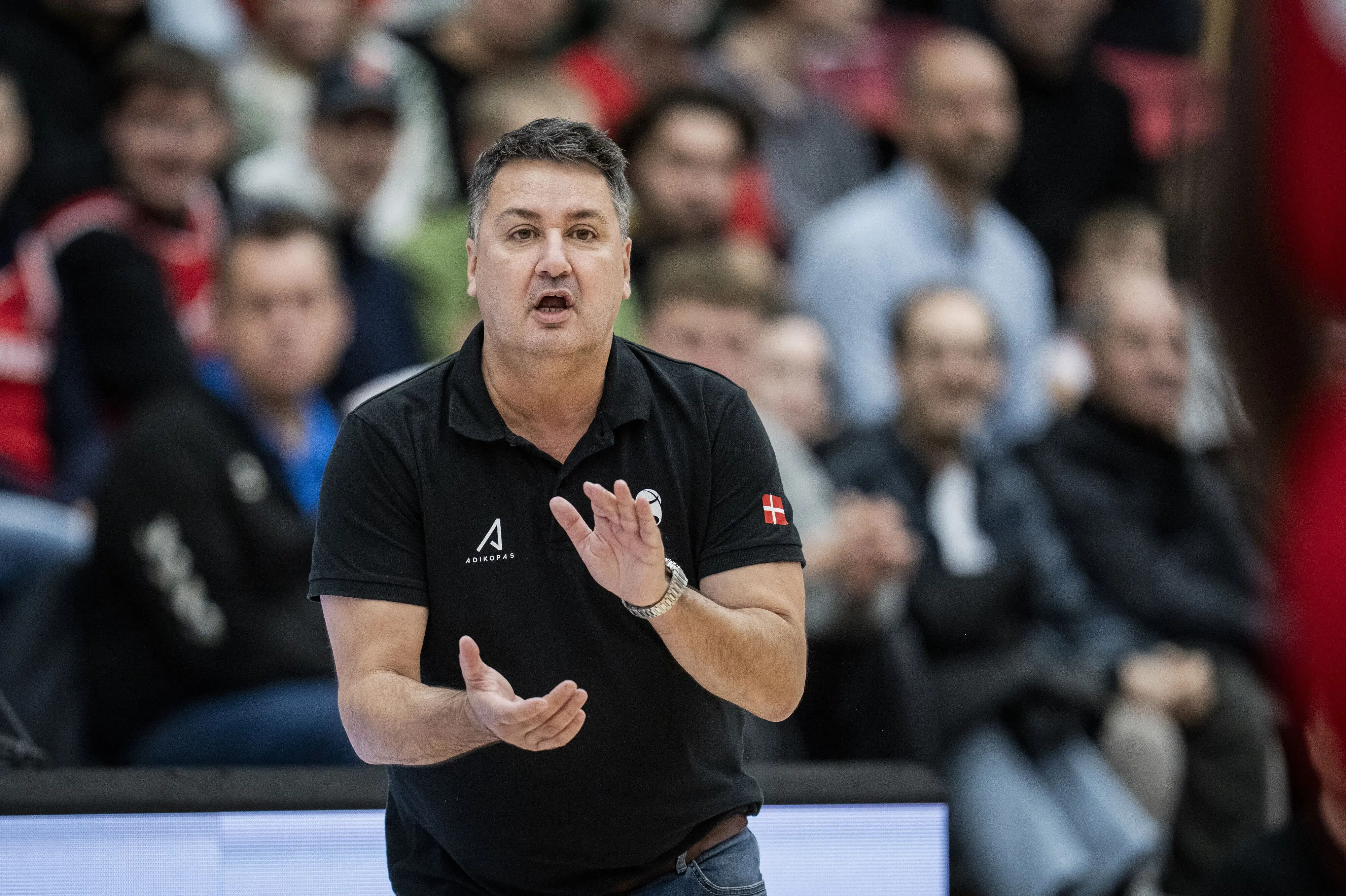
Danish national basketball coach Allan Foss is grappling with a significant recruitment challenge: U.S. college sports' growing financial appeal is making it difficult to secure players for the national team. Several key players Foss would like to feature are currently tied to their commitments at American universities, rendering them unavailable for national squad duties.
The next two years will be harder for us before we start getting more of these college players home.
This situation is part of a broader trend fueled by the increasing NIL (Name, Image, Likeness) compensation available to athletes in U.S. college sports. Previously, college athletes were primarily amateurs who received an education in exchange for their athletic participation. However, recent years have seen a shift, allowing players to monetize their name and likeness through sponsorships and social media. The situation intensified last year when the NCAA, the governing body for college sports, reached a settlement that enables direct revenue sharing with athletes, further boosting their earning potential.
There are five or six players over there whom I would have liked to use in these summer windows. We would have liked to see them more to integrate them.
Foss expressed concern that the next two years will be particularly difficult before more college players begin returning to European basketball. He highlighted that five to six players he wished to integrate into the national team are currently inaccessible. The coach noted that many European talents are now opting for U.S. colleges, where they can earn substantial amounts – potentially five to ten million [currency not specified] annually – at just 19 years old, a stark contrast to the apprentice wages they might expect in Spain or Germany.
The problem is that some universities place greater demands on them. When the college season is underway, we cannot get them home to play with us.
The impact extends beyond Denmark, affecting major European leagues that are struggling to attract the same caliber of talent as before. Players developed in renowned European academies are now choosing the college route. Denmark, already facing an uphill battle in its World Cup qualification after four losses, views its remaining games more as preparation for the upcoming European Championship qualifiers. While Foss acknowledged that other players are stepping up, he admitted the situation limits the team's "critical mass" and forces the organization to adapt its strategies, requiring closer engagement with both players and U.S. schools during their career decisions.
It's a huge problem across Europe. The big leagues are struggling with it because they can't attract the talents they could before.
DistantNews Editorial
Originally published by Berlingske in Danish. Translated, summarized, and contextualized by our editorial team with added local perspective. Read our editorial standards.
More Stories

From Our Blog

What Gets Lost (and Found) When News Is Translated

The Critical Role of Diaspora Media in Global News

What Travellers Should Know About Countries with Restricted Press

A Digital Nomad's Guide to Following Local News

How the Same Story Looks Different in Different Countries
