


U.S. Extends Middle East Deployments, Raising Prospect of Iran War Lasting Into Next Year
Translated from Korean and summarized by DistantNews. Read the original for the full story.
At a glance
News
Unnamed sources
Ongoing story
- The U.S. Defense Department has extended deployments of ships, air-defense units and airborne forces in the Middle East as the conflict with Iran continues.
- Some Army air-defense deployments have grown from nine to 12 months, while parts of the 82nd Airborne Division could remain in the region until 2027, according to a letter obtained by The Wall Street Journal.
- The United States is keeping about 50,000 troops in the region to intercept missiles, escort commercial shipping and maintain options for further strikes, but prolonged deployments are increasing fatigue and creating equipment and supply pressures.
The Pentagon is quietly extending U.S. deployments in the Middle East, a move that points to preparations for a conflict with Iran that could continue into next year.
Defense Secretary Pete Hegseth has extended deployment schedules for forces including ship crews, air-defense units and airborne troops as the armed confrontation with Iran has dragged on, The Wall Street Journal reported, citing sources. A standard Army air-defense deployment intended to defend against Iranian missiles and drones has increased from nine months to 12 months. Some units moved to the Middle East from Europe and the Pacific have already spent more than a year in the region.
We do not share this news lightly, and we understand that extending deployments places a heavy burden on every family, including our own.
A letter sent by senior military leaders to families and obtained by the newspaper indicated that some elements of the Army’s 82nd Airborne Division could remain in the Middle East until 2027. “We do not share this news lightly, and we understand that extending deployments places a heavy burden on every family, including our own,” the letter said.
They are setting things up to sustain a long war through next year.
The United States is maintaining about 50,000 troops in the region to intercept Iranian missiles, escort merchant ships through the strait and blockade Iranian ports and coastal areas. The deployment also gives President Donald Trump flexibility if he chooses to escalate with larger strikes. Officials said Trump favors keeping the option open while considering whether to declare an end to the war. He believes continued economic pressure could eventually force Iran to abandon its nuclear program or collapse on its own.
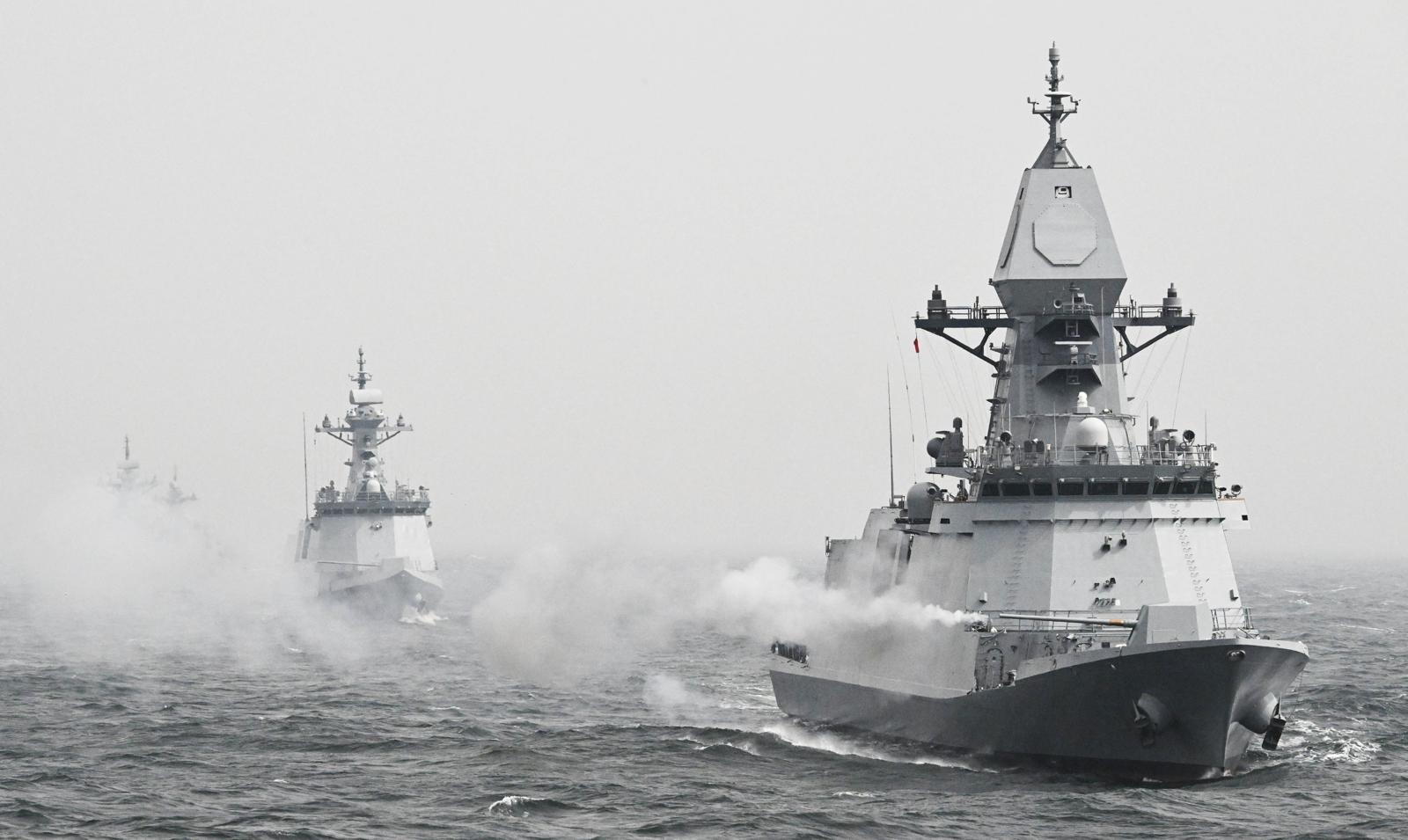
The sustained deployment includes 19 warships, among them one aircraft carrier and 13 guided-missile destroyers, as well as air-defense units, fighter squadrons and airborne forces. The strain is mounting. Destroyers deployed at the beginning of the war have gone months without the monthly rest periods they normally receive, while the Gerald R. Ford spent 11 months at sea before returning in May. The Abraham Lincoln has completed an extended deployment and is returning to its home port after difficult conditions. The Theodore Roosevelt is preparing for a longer-than-usual deployment and could remain in the region until next spring. Combat has also limited naval resupply in the Middle East, forcing greater reliance on the remote U.S.-British base at Diego Garcia in the Indian Ocean. Brian Clark, a Hudson Institute senior fellow and former senior naval officer, said the United States is effectively placing its military posture around Iran for the coming year.
Maintaining this level means giving up deployments in other regions and effectively putting the focus of the U.S. military posture on Iran for the coming year.
About this summary
Originally published by Hankyoreh in Korean. Translated, summarized, and contextualized automatically by DistantNews, with a note on how the source frames the story. Not individually reviewed before publishing. How this works.
More Stories

From Our Blog

News in Translation: What Gets Lost, and How We Keep the Framing

Diaspora Media: How Communities Abroad Follow Home

Traveling Where the Press Is Not Free: How to Read the News There

The Digital Nomad's Guide to Local News

The Same Story, Different Countries: How Coverage Changes at the Border
