


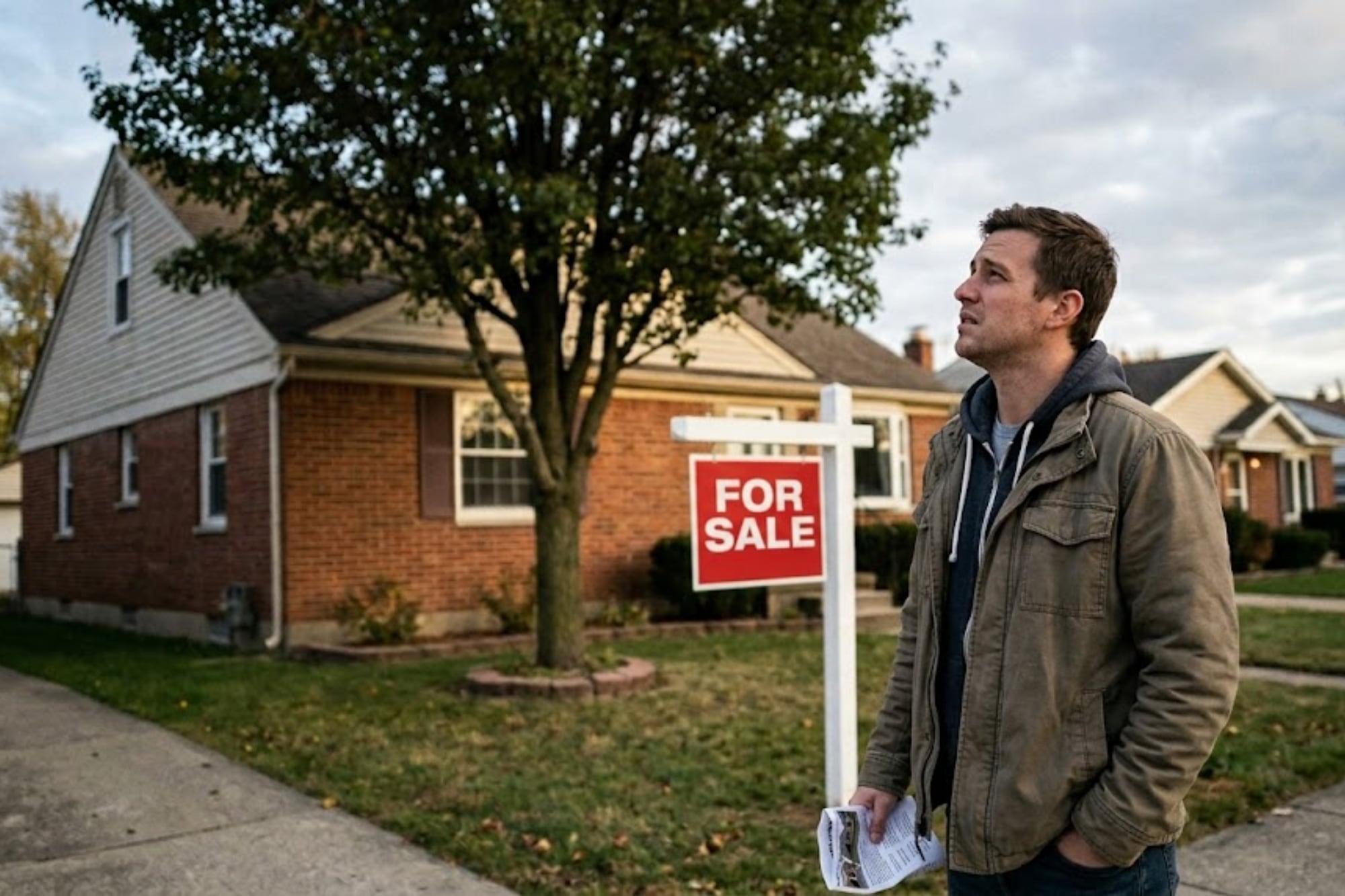
U.S. Homeownership Dreams Fade: Study Shows Under-40s Worse Off Than Parents
Translated from Spanish, summarized and contextualized by DistantNews.
At a glance
News
Sources not specified
Context piece
- Young adults in the U.S. face significant challenges in homeownership compared to their parents' generation.
- Soaring housing prices and slower wage growth have widened the affordability gap for those under 40.
- Between 2019 and 2024, home values rose 30% while incomes for this age group grew only 9%, increasing the price-to-income ratio.
For millions of young adults in the United States, owning a home has become an increasingly elusive goal. While homeownership remains a valued investment for many, rapidly rising real estate prices, coupled with much slower wage growth, have significantly widened the gap between aspirations and the reality for those under 40.
the purchase of a home continues to be considered a valuable investment by a large part of the population, the accelerated increase in real estate prices, combined with salaries that grow at a much slower pace, has widened the gap between aspirations and the real possibilities of those under 40 years of age.
A recent analysis by the Pew Research Center reveals that buying a home is now harder for young adults than it was for their parents. A vast majority, 89% of Americans under 40, believe it is more difficult to buy a house today than in their parents' era. The research highlights that young people face multiple economic obstacles simultaneously. Increased cost of living, labor market struggles, and escalating housing costs have substantially reduced the purchasing power of this demographic.
the purchase of a home has become more difficult for young adults than it was in their parents' time.
The situation has particularly worsened between 2019 and 2024. During this period, housing values surged much faster than the incomes of households headed by individuals under 40, leading to a sustained loss of accessibility to the real estate market. According to Pew Research Center data, the median U.S. home value increased by 30% from 2019 to 2024, rising from $269,600 to $350,000 when adjusted for inflation. In stark contrast, the median income for households led by individuals under 40 grew by only 9% in the same timeframe, moving from $92,700 to $100,900 in inflation-adjusted terms.
89% of Americans under 40 consider that today it is more difficult to buy a house than in their parents' time.
This disparity between price evolution and salary increases has significantly deteriorated the relationship between home values and disposable income. In 2019, a home's price was approximately 2.9 times the annual income of a household under 40. By 2024, this ratio climbed to 3.5 times. The rising cost of mortgages further exacerbates the monthly expense of purchasing a home. The Pew analysis reminds us that financial costs, including mortgage rates, property taxes, insurance, and credit conditions, also influence affordability. Between 2019 and 2024, several of these components have become more expensive, compounding the challenge for aspiring homeowners.
the values of homes grew much faster than the incomes of households headed by people under 40 years of age, generating a sustained loss of accessibility to the real estate market.
DistantNews Editorial
Originally published by La Nación in Spanish. Translated, summarized, and contextualized by our editorial team with added local perspective. Read our editorial standards.
More Stories



From Our Blog

What Gets Lost (and Found) When News Is Translated

The Critical Role of Diaspora Media in Global News

What Travellers Should Know About Countries with Restricted Press

A Digital Nomad's Guide to Following Local News

How the Same Story Looks Different in Different Countries
