

U.S. House votes to curb Trump's Iran war powers
Translated from German, summarized and contextualized by DistantNews.
At a glance
News
Named sources
New plan
- The U.S. House of Representatives voted to restrict President Trump's ability to engage in military action against Iran without congressional approval.
- The resolution passed with a narrow majority, with four Republicans joining Democrats in the vote.
- While the resolution does not immediately alter U.S. policy, it signals growing political pressure on Trump regarding his Iran strategy ahead of the midterm elections.
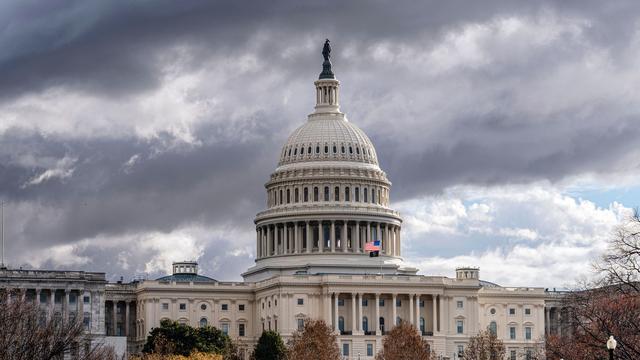
The U.S. House of Representatives has passed a resolution aimed at limiting President Donald Trump's authority to conduct military operations against Iran, increasing political pressure on the administration. The resolution mandates that formal congressional authorization is required for any combat engagement, with exceptions only for the defense of the U.S. or its allies against imminent attacks.
By a vote of 215 to 208, the House approved the measure. Notably, four Republican representatives broke ranks with their party to vote alongside Democrats, contributing to the resolution's success. Although the resolution carries no immediate practical impact on U.S. foreign policy, it underscores a growing dissent within Congress regarding Trump's approach to Iran, particularly with midterm elections approaching in five months.
This vote follows a similar move by the U.S. Senate two weeks prior, which also voted for greater congressional oversight of the war in Iran. The Senate's majority was similarly achieved through the support of four Republicans who diverged from the party's stance.
Despite the current ceasefire and ongoing negotiations for a potential peace agreement, recent days have seen intermittent mutual attacks. The House resolution now proceeds to the Senate for consideration. Even if both chambers pass the measure, President Trump retains the power to veto it. Overriding such a veto would require a two-thirds majority in both houses, a threshold considered highly unlikely.
DistantNews Editorial
Originally published by Die Zeit in German. Translated, summarized, and contextualized by our editorial team with added local perspective. Read our editorial standards.
More Stories



From Our Blog

What Gets Lost (and Found) When News Is Translated

How the Same Story Looks Different in Different Countries

The Critical Role of Diaspora Media in Global News

What Travellers Should Know About Countries with Restricted Press

A Digital Nomad's Guide to Following Local News
