

U.S. signs nuclear deal with Saudi Arabia, sparking regional concerns
Translated from German, summarized and contextualized by DistantNews.
At a glance
News
Sources not specified
New plan
- The U.S. government has signed an agreement with Saudi Arabia to assist in building civilian nuclear power plants.
- While details are scarce, reports suggest the deal may include uranium enrichment capabilities for the kingdom.
- The agreement aims to foster economic benefits for the U.S. through technology exports and help Saudi Arabia meet its energy demands, while also serving strategic interests amid regional tensions.
The United States government has finalized an agreement to support Saudi Arabia's development of a civilian nuclear program, a move that could significantly reshape regional dynamics.
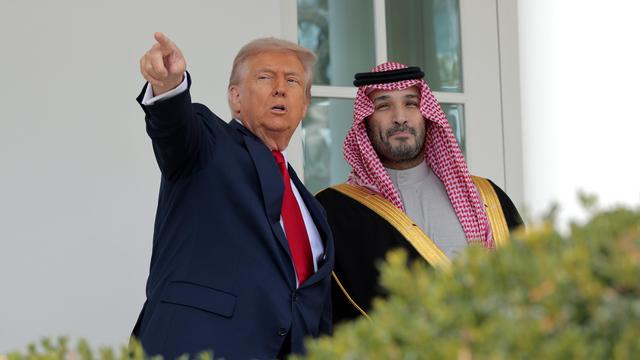
U.S. Energy Secretary Chris Wright and Saudi Minister of Energy Abdulasis bin Salman signed the accord in Washington, establishing a framework for the U.S. to provide technology for constructing nuclear power plants in the kingdom. Although the U.S. Department of Energy released limited details, several U.S. media outlets, citing insiders, have reported that the agreement could grant Saudi Arabia the ability to enrich uranium and reprocess spent nuclear fuel. Both capabilities can be utilized in the development of nuclear weapons, raising concerns among arms control advocates.
U.S. Energy Secretary Wright emphasized that the agreement adheres to the highest nuclear safety standards and includes provisions against nuclear weapons proliferation. A parallel agreement on nuclear safety controls was also signed, intended to lay the legal groundwork for a decades-long partnership. The U.S. aims to benefit economically by exporting nuclear technology and creating domestic jobs, while Saudi Arabia seeks to diversify its energy sources and meet growing demand.
The agreement, which has a 30-year term, also carries strategic significance for the U.S., particularly in light of regional rivalries. Saudi Arabia and Iran have long been adversaries, and Saudi Crown Prince Mohammed bin Salman has previously stated that the kingdom would pursue nuclear capabilities if Iran developed a nuclear weapon. This prospect has fueled concerns about a potential regional arms race.
The deal now faces review by the U.S. Congress, where it may encounter opposition from lawmakers wary of expanding nuclear technology in the politically volatile Middle East.
The agreement meets the highest nuclear safety standards and includes that no nuclear weapons will be proliferated.
DistantNews Editorial
Originally published by Die Zeit in German. Translated, summarized, and contextualized by our editorial team with added local perspective. Read our editorial standards.
More Stories

From Our Blog

What Gets Lost (and Found) When News Is Translated

How the Same Story Looks Different in Different Countries

The Critical Role of Diaspora Media in Global News

What Travellers Should Know About Countries with Restricted Press

A Digital Nomad's Guide to Following Local News
