


U.S. Strikes Iran Again After Detecting Suspected Mine Deployment Near Strait of Hormuz
Translated from Korean and summarized by DistantNews. Read the original for the full story.
At a glance
News
Named sources
Ongoing story
- U.S. Central Command said American forces struck two rocket launchers on Iran’s southern Larak Island after detecting preparations to launch mine-carrying rockets into the Strait of Hormuz.
- Iran’s Revolutionary Guard said the attack caused deaths and injuries among its personnel and civilians, without providing figures, and threatened retaliation.
- The strike followed a month-long lull in publicly acknowledged U.S. attacks on Iran and raised concerns that the conflict could escalate again.
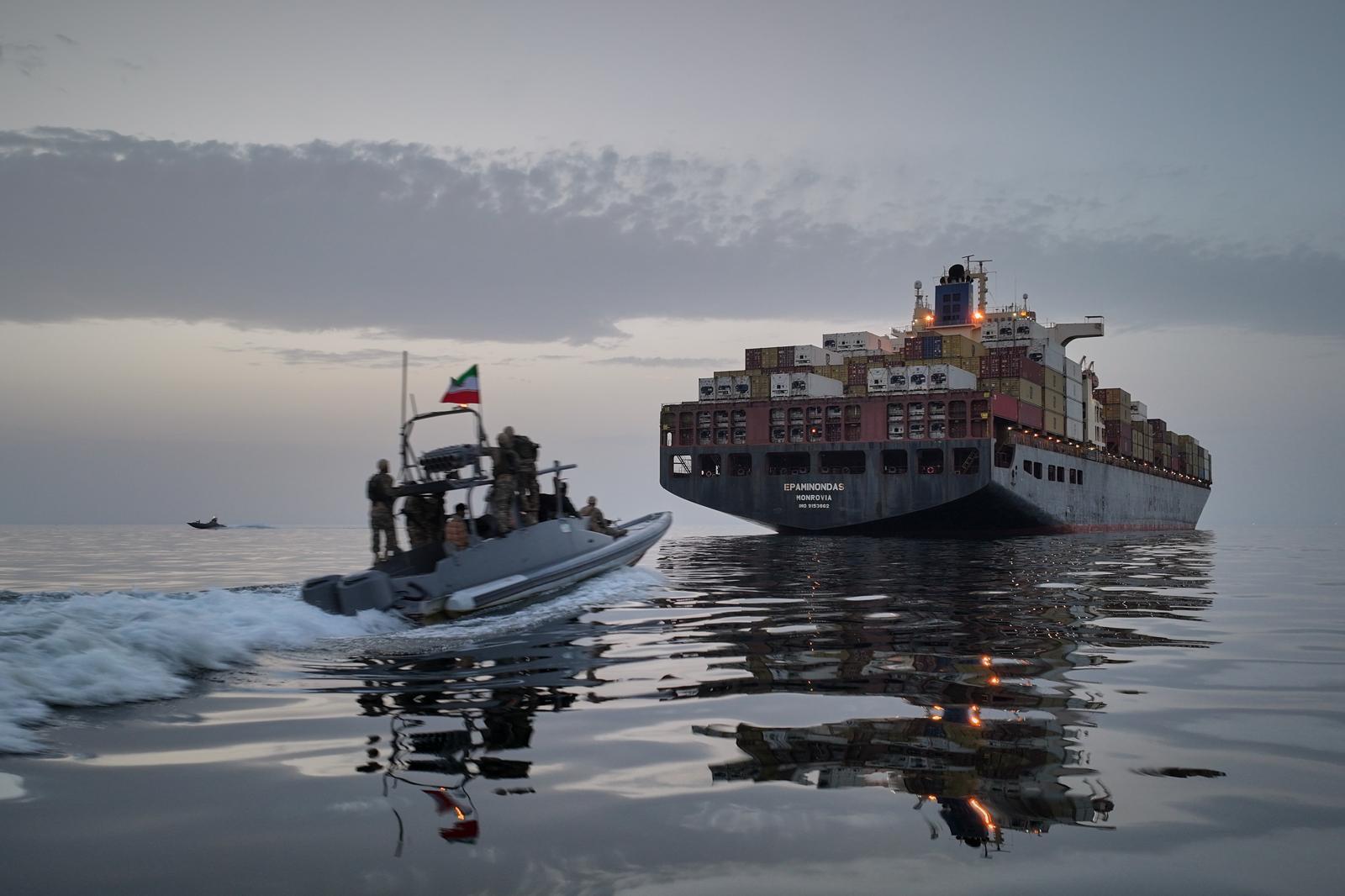
The United States has attacked Iranian territory again, less than a week after the Trump administration announced a strategy centered on economic pressure rather than military action. Washington said the limited strike targeted preparations to place mines in the Strait of Hormuz, a vital route for global oil shipments.
U.S. Central Command said on the 30th that American forces hit two rocket launchers on Larak Island in southern Iran. CENTCOM spokesman Tim Hawkins said the Islamic Revolutionary Guard Corps appeared to be preparing to fire rockets carrying naval mines into the strait. The U.S. military had been monitoring possible new mine deployments after clearing mines from international shipping lanes in the area.
A response and punishment.
The strike marked the first publicly confirmed U.S. attack on Iranian territory since late July. Iran’s semi-official Tasnim news agency said drones carried out the attack, while the United States did not disclose the weapon used. Iran’s Revolutionary Guard said on state television that military personnel and civilians had been killed or wounded, and promised “a response and punishment.”
The confrontation comes as both sides contest control of the Strait of Hormuz. Before the war, about 20% of global oil consumption passed through the waterway, but mine, missile and drone threats sharply reduced shipping after the Feb. 28 U.S.-Israeli attack on Iran. President Donald Trump recently said traffic had fallen from about 130 vessels a day before the war to 24. The administration has also begun an economic campaign against Iran, warning that foreign companies and financial institutions continuing to trade with Tehran could face U.S. sanctions. A retaliatory Iranian strike could turn the recent lull into a renewed cycle of attacks.
All economic lifelines that sustain the Iranian regime.
About this summary
Originally published by Dong-A Ilbo in Korean. Translated, summarized, and contextualized automatically by DistantNews, with a note on how the source frames the story. Not individually reviewed before publishing. How this works.
More Stories


From Our Blog

What Gets Lost (and Found) When News Is Translated

The Critical Role of Diaspora Media in Global News

What Travellers Should Know About Countries with Restricted Press

A Digital Nomad's Guide to Following Local News

How the Same Story Looks Different in Different Countries
