

UK and France prepare for another heatwave as western Europe sets new temperature record
Summarized and contextualized by DistantNews.
At a glance
News
From a news agency
Ongoing story
- The UK and France are preparing for another heatwave, with temperatures expected to reach 40°C in southeastern France and 36°C in the UK.
- Europe has experienced an intense stretch of hot weather since May, contributing to wildfires, drought, and record temperatures.
- Scientists warn that 2026 could become the hottest year on record due to human-caused global warming and El Niño conditions.
The United Kingdom and France are bracing for their fifth heatwave of the season, as an intense period of hot weather continues to grip Europe. National weather agency Météo-France forecasts temperatures approaching 40°C in southeastern France starting Tuesday, August 11. In the UK, an amber heat health alert will be in effect for most of England, with temperatures predicted to climb to 36°C later in the week.
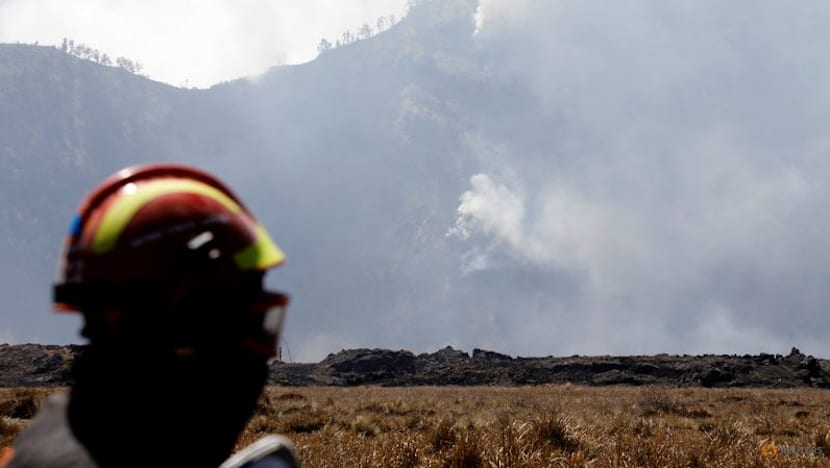
This extreme heat, which began in May, has fueled major wildfires, prolonged drought, and shattered national temperature records across the continent. Thousands of heat-related deaths are projected. Globally, 2026 is currently the third-hottest year on record, behind 2024 and 2025, but scientists believe it has the potential to become the hottest year ever recorded.
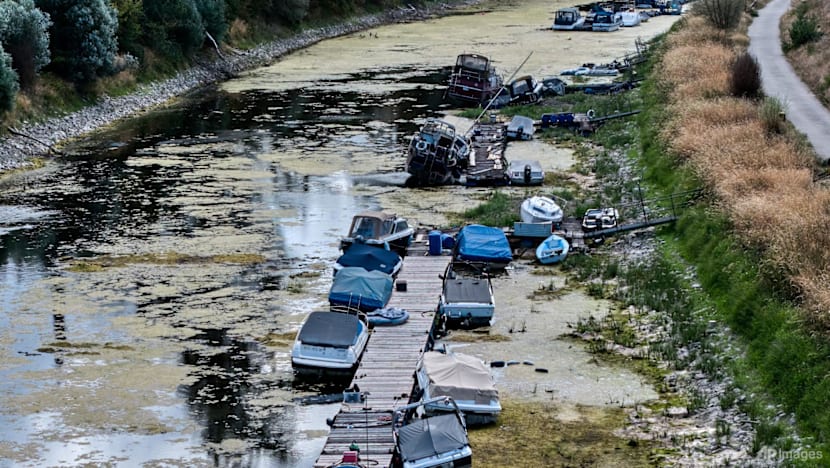
Persistent high-pressure systems trapped heat over western Europe, the extreme temperatures also amplified widespread drought. As soils dry out, they lose their ability to provide natural cooling, allowing heat to build more readily.
The accelerating pace of human-caused global warming, combined with a strong El Niño event, is increasing the likelihood of 2026 setting a new global temperature record. Last month, July, saw the highest average sea surface temperature ever recorded for the extrapolar oceans. While the global average surface air temperature for July was the second warmest on record, tied with July 2024, the persistent high-pressure systems trapping heat over western Europe have amplified drought conditions. As soils dry out, they lose their natural cooling capacity, allowing heat to build more readily, a phenomenon that climate experts describe as a clear example of climate change intensifying heat extremes.
France has already experienced unprecedented heat, with heatwave alerts issued in May for the first time on record. June saw over 5,700 more deaths than usual, and June 23 was the hottest day ever recorded in the country, with temperatures reaching 44.3°C in the southwest. The article notes that two other heatwave episodes were recorded.
This is a clear example of how climate change is intensifying heat extremes, with heat and drought increasingly reinforcing one another.
DistantNews Editorial
Originally published by CNA. Summarized and contextualized by our editorial team with added local perspective. Read our editorial standards.
More Stories



From Our Blog

What Gets Lost (and Found) When News Is Translated

The Critical Role of Diaspora Media in Global News

What Travellers Should Know About Countries with Restricted Press

A Digital Nomad's Guide to Following Local News

How the Same Story Looks Different in Different Countries
