


UK Leader Calls for Reflection After Death of Cambridge Professor Accused of Plagiarism
Translated from English, summarized and contextualized by DistantNews.
At a glance
News
Named sources
Outcome reported
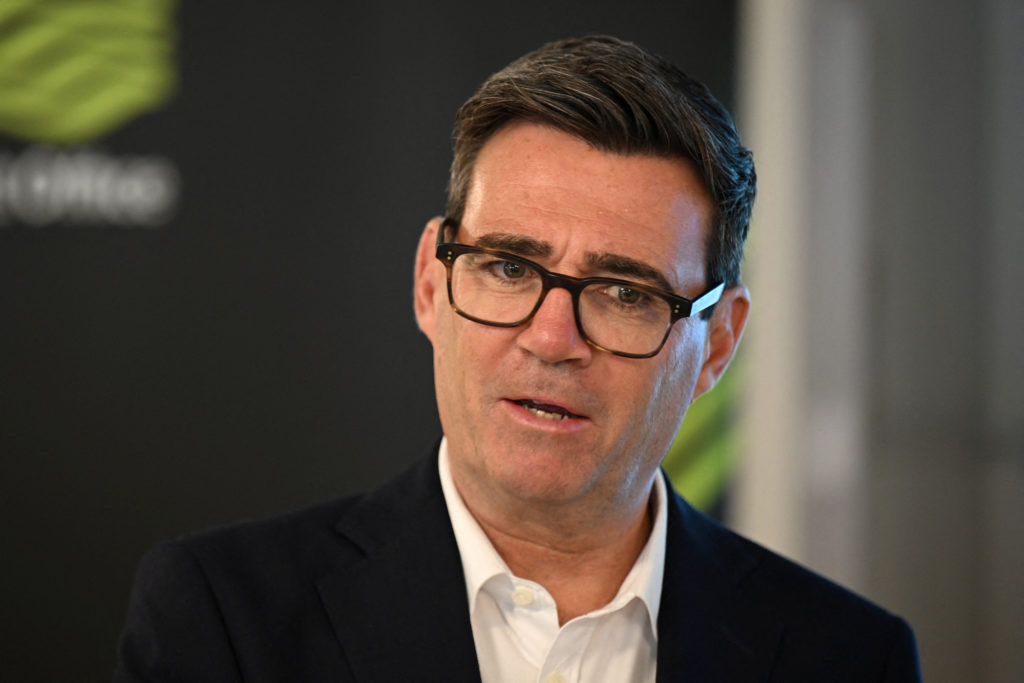
- British Prime Minister Andy Burnham called for reflection following the sudden death of Jason Arday, a Black professor at Cambridge University, who had resigned amid plagiarism accusations.
- Arday, 41, was found dead at a London address; police are treating the death as unexpected but not suspicious.
- His family and friends described him as a victim of relentless scrutiny, harassment, and abuse, with some suggesting racism and hostility towards diversity policies fueled the public takedown.
Britain's Prime Minister Andy Burnham has urged for national reflection after the unexpected death of Jason Arday, a Black professor at the University of Cambridge, who recently resigned following intense scrutiny over plagiarism allegations. Arday, 41, was found dead at a London address on Friday, with police stating the death is being treated as unexpected but not suspicious.
It's not a moment for any rushing to judgment. It's a moment for reflection, I would say, reflecting on how things came to this.
Arday, who became Cambridge's youngest Black professor in 2023, had been the subject of extensive media attention concerning accusations of plagiarism in his academic work, as well as questions surrounding his athletic and fundraising achievements. His resignation last week came after weeks of headlines that critics argue were amplified by racism and a broader hostility towards diversity, equity, and inclusion (DEI) initiatives in academic institutions.
"It's not a moment for any rushing to judgment. It's a moment for reflection, I would say, reflecting on how things came to this," Burnham told reporters, emphasizing the need to consider the circumstances leading to Arday's death. Arday's family issued a statement through his publisher, Simon & Schuster U.K., stating that he had endured a "campaign of harassment" and "sustained abuse" since taking up his professorship. "The campaign of misinformation was too much for Jason," the family said, expressing shock at the loss of their "amazing father, partner, brother, uncle and son."
The campaign of misinformation was too much for Jason.
Cambridge's vice chancellor, Deborah Prentice, expressed deep sadness and announced that the university would investigate the circumstances surrounding Arday's employment. Questions about Arday's qualifications were initially raised by Nathan Cofnas, a former Cambridge researcher known for his critiques of DEI programs. Cofnas had previously argued that in a meritocracy, Black individuals would be largely absent from high-profile positions outside of sports and entertainment. A friend of Arday's shared a voice note from the professor stating he "felt he couldn't go on" due to the relentless scrutiny that discredited "absolutely every detail of his life."
He was being subjected to relentless scrutiny, including ridicule, discrediting absolutely every detail of his life, and he wasn't coping with the loss of his career, the loss of his reputation.
DistantNews Editorial
Originally published by PBS NewsHour in English. Translated, summarized, and contextualized by our editorial team with added local perspective. Read our editorial standards.
More Stories


From Our Blog

How the Same Story Looks Different in Different Countries

What Gets Lost (and Found) When News Is Translated

The Critical Role of Diaspora Media in Global News

What Travellers Should Know About Countries with Restricted Press

A Digital Nomad's Guide to Following Local News
