

/nginx/o/2026/08/08/17834213t1h315e.jpg)
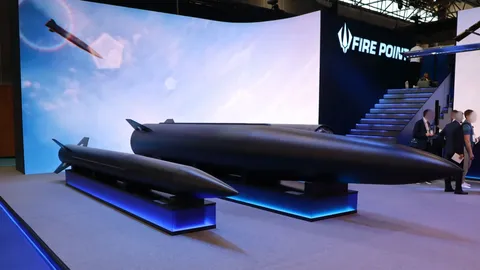
Ukraine and Europe's Joint Freyja Project: FP-7X Interceptor Missile Aims for Mass Production Alongside Patriot
Translated from Estonian, summarized and contextualized by DistantNews.
At a glance
News
Named sources
Ongoing story
- Ukraine and ten European countries are collaborating on a new air defense system called Freyja, featuring the FP-7X interceptor missile.
- The project aims to create a more affordable and mass-producible alternative to the US Patriot system.
- While Ukrainian-tested components are ready for serial production, the project's success hinges on the accuracy and availability of guidance heads supplied by European partners.
Ukraine is partnering with ten European nations on a joint project named Freyja, aiming to develop a new air defense system and its FP-7X interceptor missile. This initiative seeks to establish a cost-effective and high-volume production alternative to the sophisticated US Patriot network.
The core of the Freyja project involves a race to develop not just a new missile, but crucially, its "eyes and brain." The Ukrainian company Fire Point is tasked with the complex challenge of integrating sensors and guidance heads from various European countries to function reliably within a single system. This integration is considered the most difficult aspect of developing the FP-7X interceptor.
If successful, the project could establish an independent supply chain for Europe's air defense capabilities, complementing existing US systems. The ambition is to have a functional prototype and commence cheaper mass production by 2027. However, the project's timeline and scalability may be constrained by potential shortages or issues with the precision of the guidance heads supplied by European collaborators.
While elements tested by Ukraine are reportedly ready for serial production, with a target of at least 2,000 interceptors annually, the ultimate success of Freyja is heavily dependent on the European partners' contributions. The project represents a significant step in European defense cooperation, seeking to enhance regional security through indigenous capabilities.
DistantNews Editorial
Originally published by Postimees in Estonian. Translated, summarized, and contextualized by our editorial team with added local perspective. Read our editorial standards.
More Stories
/nginx/o/2026/08/07/17833837t1h8b1c.jpg)

From Our Blog

What Gets Lost (and Found) When News Is Translated

The Critical Role of Diaspora Media in Global News

What Travellers Should Know About Countries with Restricted Press

A Digital Nomad's Guide to Following Local News

How the Same Story Looks Different in Different Countries
