


Ukraine Expands Financial Sanctions on Russia to Cover Virtual Assets, Digital Services
Translated from Estonian, summarized and contextualized by DistantNews.
At a glance
News
Named sources
New plan
- Ukraine has updated its financial sanctions against Russia, expanding restrictions to cover virtual assets and digital financial services.
- The updated measures aim to close loopholes that Russia uses to evade international sanctions.
- The National Security and Defense Council of Ukraine approved the expanded sanctions.
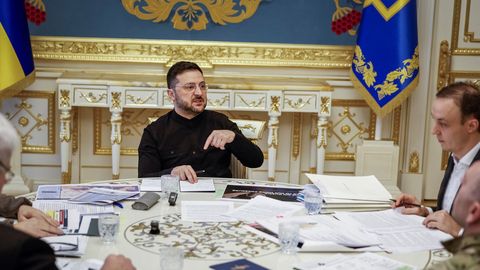
Ukraine has intensified its financial pressure on Russia by implementing updated sectoral sanctions targeting the country's financial sector.
The National Security and Defense Council of Ukraine (RNBO) has approved new measures that broaden the scope of existing sanctions. These updated regulations specifically target virtual assets, digital financial services, and other infrastructure that Russia has utilized to circumvent international financial restrictions.
According to the news channel Ukrinform, Vladyslav Vlasiuk, the President's Commissioner for Sanctions Policy, discussed the implications of these new measures. The expansion of sanctions is designed to prevent Russia from evading the impact of international penalties, particularly in its financial dealings.
The move signifies Ukraine's continued efforts to isolate Russia economically and limit its capacity to fund its ongoing military actions. By targeting virtual assets and digital financial services, Ukraine aims to close potential avenues for evasion and ensure the effectiveness of the sanctions regime.
Ukraine's National Security and Defense Council (RNBO) updated decision on sectoral sanctions against Russia's financial sector expands restrictions to virtual assets, digital financial services, and other infrastructure that Russia uses for international transactions to evade sanctions.
DistantNews Editorial
Originally published by Postimees in Estonian. Translated, summarized, and contextualized by our editorial team with added local perspective. Read our editorial standards.
More Stories
/nginx/o/2026/07/14/17783079t1h889d.jpg)
/nginx/o/2026/07/14/17782401t1ha674.jpg)
/nginx/o/2026/06/21/17734532t1he194.jpg)
From Our Blog

What Gets Lost (and Found) When News Is Translated

The Critical Role of Diaspora Media in Global News

What Travellers Should Know About Countries with Restricted Press

A Digital Nomad's Guide to Following Local News

How the Same Story Looks Different in Different Countries
