


Ukraine's Drone Strikes Cripple Russian Fuel Supply, Sparking Crisis and Discontent
Translated from Croatian, summarized and contextualized by DistantNews.
At a glance
News
Sources not specified
Ongoing story
- Ukraine's escalating drone attacks on Russian oil infrastructure are causing a severe fuel crisis, impacting tourism and daily life.
- The attacks have crippled fuel supplies in occupied Crimea, leading to closed gas stations and isolated roads.
- Growing discontent among Russian elites and the public is fueled by rising prices, empty shelves, and visible war consequences.
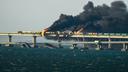
Russian aggression has turned roads into "death roads" and left hundreds of burnt trucks along their edges, as Ukraine intensifies its pressure on Moscow through drone attacks deep within Russian territory. These strikes, aimed at forcing concessions, are increasingly showing signs of making the Russian elite nervous, with the war's consequences becoming harder to conceal. Kyiv recently targeted the Taneco refinery in Tatarstan, one of Russia's largest with a capacity of around 340,000 barrels per day. Additionally, at least two petrochemical plants, a pumping station, an export terminal, and a strategic fuel storage facility in the Yaroslavl region were hit. Videos circulating online show Ukrainian "Lyutyi" drones flying calmly before striking already burning targets. The Russian government stored gasoline, diesel, and kerosene for the military and emergencies in 60 tanks, which are now under threat. Since last summer, Ukraine has systematically increased the intensity of drone attacks on Russian oil infrastructure, evolving from sporadic strikes to coordinated waves involving hundreds of long-range drones. This campaign intensified in March. Russia, the world's second-largest oil producer, is now facing a severe fuel crisis. Fueling restrictions are in place even in major cities like Moscow and St. Petersburg, limiting refueling to just 20 liters per vehicle. President Vladimir Putin has acknowledged the problems but continues to speak of progress on the front lines and inevitable victory. However, dissatisfaction is growing among Russian military bloggers, influencers, and political circles. Communist deputy Vyatscheslav Markhaev even predicts a "social explosion," criticizing rising war losses, corruption in leadership, and the immense economic burden. The war, once distant for many Russians, is now visible everywhere through rising prices, empty shelves, and smoke plumes over cities and factories, according to Die Welt. The situation is particularly dramatic in occupied Crimea. Since April, Ukraine has been targeting occupied areas in the south with long-range drones. Ukrainian forces have effectively cut off the land connection to Crimea, turning roads into "death roads" littered with hundreds of burnt fuel trucks. Tanker trucks were specifically targeted. Crimea has almost run out of gasoline. In a second step, Ukraine destroyed bridges leading to the peninsula. The Russian military's attempt to build a pontoon bridge was quickly destroyed by Ukrainian drones. The only remaining connection is the 19-kilometer Kerch Bridge, which is already damaged and has limited functionality, leaving Crimea almost completely isolated. The tourist season on the peninsula, a favorite destination for Russians, is collapsing. Tourists can arrive, but they cannot return due to closed gas stations. Rail transport is also not functioning normally. The supply of both the civilian population and the Russian military is seriously threatened. Without fuel, power generators and water pumps cease to operate, and the military cannot recharge batteries, let alone conduct operations.
DistantNews Editorial
Originally published by Večernji List in Croatian. Translated, summarized, and contextualized by our editorial team with added local perspective. Read our editorial standards.
More Stories

From Our Blog

What Gets Lost (and Found) When News Is Translated

The Critical Role of Diaspora Media in Global News

What Travellers Should Know About Countries with Restricted Press

A Digital Nomad's Guide to Following Local News

How the Same Story Looks Different in Different Countries
