

Ukraine's Zelenskyy demands next year's EU funds now
Translated from Hungarian and summarized by DistantNews. Read the original for the full story.
At a glance
News
Sources not specified
Ongoing story
- Ukrainian President Volodymyr Zelenskyy is demanding that the European Union release funds allocated for next year immediately.
- This demand is linked to discussions about utilizing frozen Russian Central Bank assets, estimated at around 210 billion euros, to support Ukraine.
- Concerns over legal and financial implications, particularly from Belgium, are complicating the potential use of these frozen assets, as it could undermine trust in the euro and lead to extensive legal disputes.
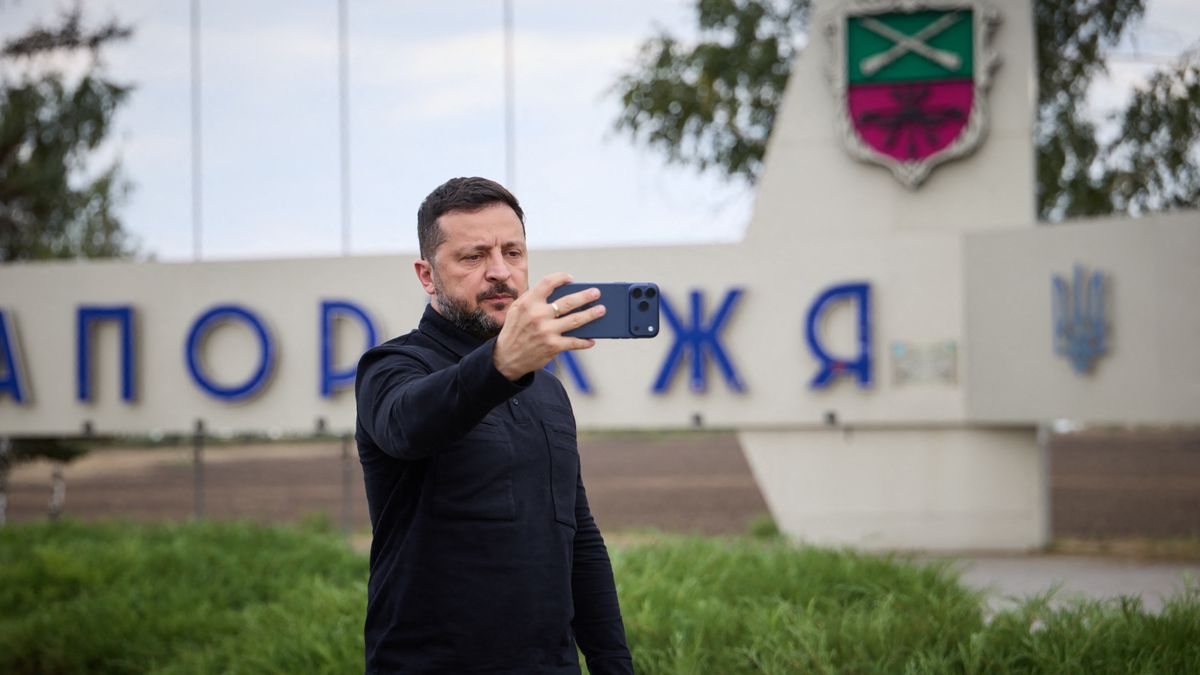
Ukrainian President Volodymyr Zelenskyy is pressing the European Union to release funds designated for next year ahead of schedule, escalating demands that could reshape relations between Kyiv and Brussels. This urgent request brings to the forefront a long-standing issue: the disposition of approximately 210 billion euros in Russian Central Bank assets frozen in Western financial institutions.
The situation between Ukraine and the European Commission could change quickly if Zelenskyy does not receive the funds he demands.
Several EU member states, including Sweden and the Baltic nations, have proposed directly utilizing these frozen Russian assets to address Ukraine's liquidity needs without increasing the burden on European taxpayers. Their argument suggests that the extraordinary circumstances justify using not only the returns generated by these assets but the principal itself for Ukraine's support.
The dispute over bringing forward next year's funds has surfaced another issue, long delayed: the fate of frozen Russian Central Bank assets held in Western financial institutions.
However, this proposal faces significant legal and financial hurdles, notably from Belgium. A substantial portion of the frozen Russian assets is managed by Euroclear, a Brussels-based clearing house. The Belgian government fears that the direct seizure of these funds could set a dangerous precedent, potentially eroding international partners' confidence in the euro and triggering protracted legal battles in global financial markets. The EU and its member states acknowledge the gravity of the situation but are proceeding cautiously due to budgetary rules and the complex debates surrounding the use of frozen Russian assets.
The EU should examine the possibility of directly using the Russian assets frozen in our countries, amounting to roughly 210 billion euros.
About this summary
Originally published by Magyar Nemzet in Hungarian. Translated, summarized, and contextualized automatically by DistantNews, with a note on how the source frames the story. Not individually reviewed before publishing. How this works.
More Stories



From Our Blog

Countries Without a Free Press: What You Need to Know

What Press Freedom Means for the News You Read

What Gets Lost (and Found) When News Is Translated

The Critical Role of Diaspora Media in Global News

What Travellers Should Know About Countries with Restricted Press
