


Ukraine Strikes Russian Petrochemical Plants Amid NATO Tensions and Migration Protests
Translated from Hungarian, summarized and contextualized by DistantNews.
At a glance
News
Named sources
Ongoing story
- Ukraine launched drone attacks on Russian petrochemical plants in Samara and Tatarstan.
- Russia is reportedly increasing military presence near its border with NATO countries.
- A new EU migration pact has taken effect, leading to protests in Belfast over migrant violence.
Russia is experiencing significant disruptions following Ukrainian drone attacks on key petrochemical facilities. Early morning strikes targeted a rubber and petrochemical plant in Togliatti, Samara region, causing flames. Shortly after, Ukrainian forces also struck a petrochemical plant in Nizhnekamsk, Tatarstan.
These attacks come as Ukraine intensifies its efforts to disrupt Russian logistics in occupied Crimea. Ukrainian forces have targeted bridges and crossings connecting Crimea to the Kherson and Zaporizhzhia regions, including the Chongar bridge and areas near Armiansk, reportedly destroying fuel and ammunition trucks.
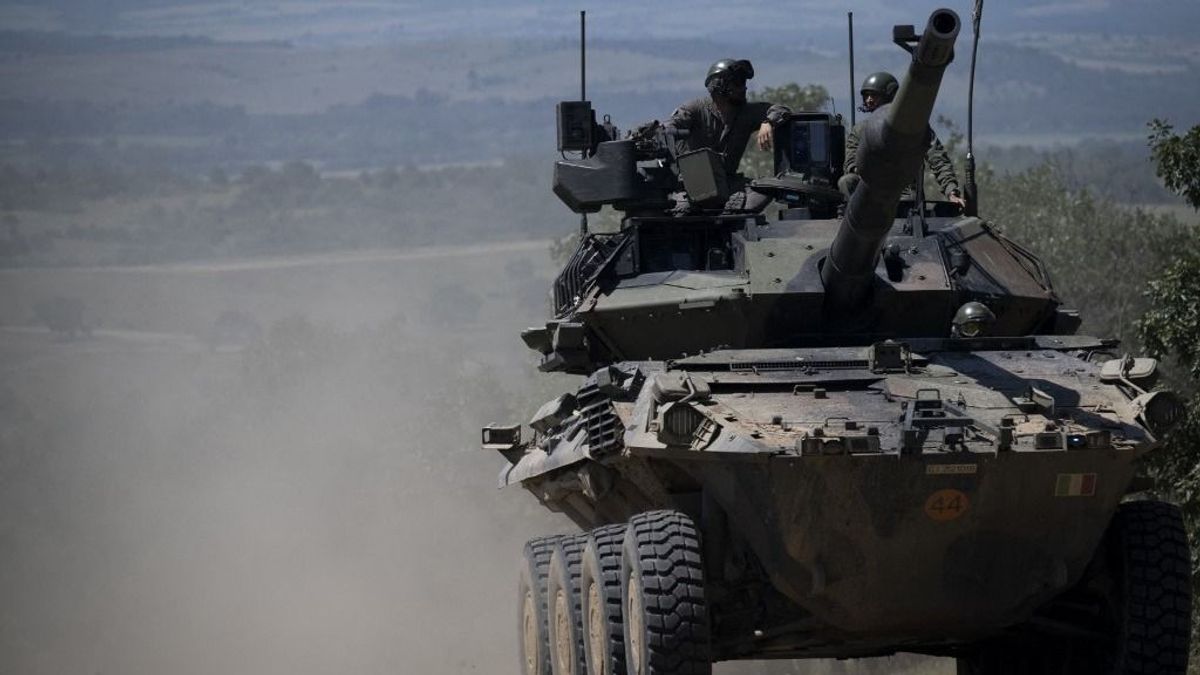
Reports suggest Russia is preparing for a potential conflict with NATO, increasing its military presence along its border with Baltic countries. New barracks are reportedly being built, and intelligence reports indicate a readiness for a confrontation. "We don't believe they are just stationed there for show. It's about potentially meeting NATO in a larger conflict later," stated Thomas Nilsson, head of Swedish intelligence.
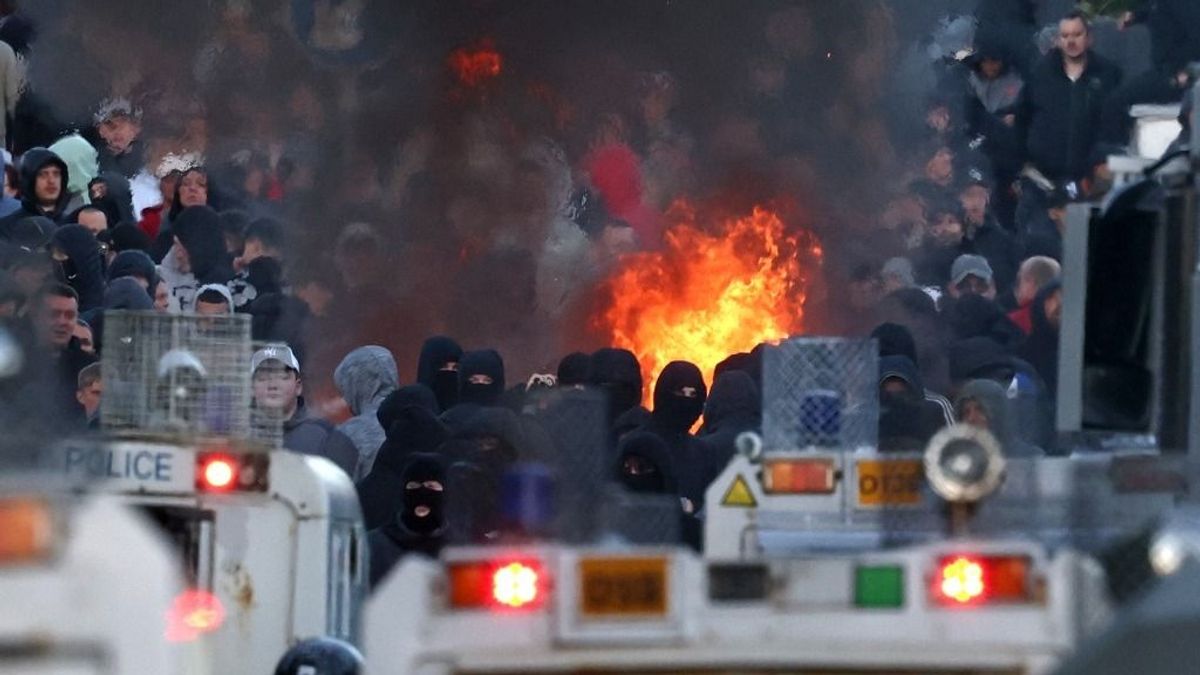
Meanwhile, a new EU migration pact officially took effect on Friday. In Belfast, ongoing protests against migrant violence highlight broader concerns about migration issues. The article also touches upon a potential US-Iran agreement and Trump's stance on the issue, though details remain scarce.
We don't believe they are just stationed there for show. It's about potentially meeting NATO in a larger conflict later.
DistantNews Editorial
Originally published by Magyar Nemzet in Hungarian. Translated, summarized, and contextualized by our editorial team with added local perspective. Read our editorial standards.
More Stories

From Our Blog

Countries Without a Free Press: What You Need to Know

What Press Freedom Means for the News You Read

What Gets Lost (and Found) When News Is Translated

The Critical Role of Diaspora Media in Global News

What Travellers Should Know About Countries with Restricted Press
