


Ukraine war: Putin convenes crisis meeting over fuel shortage
Translated from German, summarized and contextualized by DistantNews.
At a glance
News
Named sources
Context piece
- Ukrainian drone attacks on Russian oil refineries have triggered a fuel crisis, with President Putin acknowledging a "difficult phase."
- Putin called the drone attacks "terrorist acts" and discussed measures like a potential diesel export ban and increased production starting in July.
- Ukraine claims its long-range drones hit two refineries, stating each strike reduces Russia's war resources and moves closer to peace.
Russian President Vladimir Putin has publicly acknowledged a severe fuel crisis gripping the nation, directly linking it to Ukrainian drone attacks on oil refineries. Speaking at a crisis meeting with media and industry representatives, Putin described queues at gas stations and acknowledged that necessary fuel types are often out of stock.
Putin characterized the Ukrainian strikes as "terrorist acts" and outlined measures to mitigate the crisis, including a potential ban on diesel exports and a push for increased fuel production beginning in July. Russia is reportedly drawing on its reserves to manage the situation. State news agency Tass quoted the president stating, "The extraordinary tasks facing us will be solved, clearly, swiftly and competently in the interests of the country and our citizens."
The extraordinary tasks facing us will be solved, clearly, swiftly and competently in the interests of the country and our citizens.
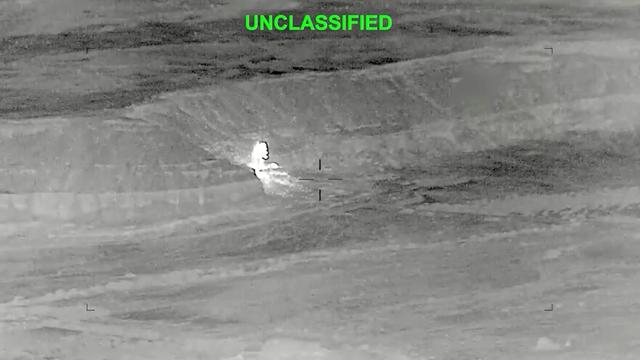
Earlier, Ukraine reported successfully striking at least one major oil refinery in southern Russia. Debris from downed Ukrainian drones reportedly ignited a fire at the refinery in Slavyansk-na-Kubani, Krasnodar region. This facility is a significant producer of petroleum products for export via Russian Black Sea ports.
Ukrainian President Volodymyr Zelenskyy claimed that "long-range sanctions" from Ukraine had targeted two refineries overnight. He asserted that each successful strike diminishes resources available for Russia's war machine and advances the cause of peace. Zelenskyy indicated a second attack hit a refinery in the Yaroslavl region, approximately 700 kilometers from the Ukrainian border, though Russian authorities had not immediately confirmed this.
Each hit means fewer resources for the Russian war machine and a further step toward peace.
DistantNews Editorial
Originally published by Die Zeit in German. Translated, summarized, and contextualized by our editorial team with added local perspective. Read our editorial standards.
More Stories

From Our Blog

What Gets Lost (and Found) When News Is Translated

How the Same Story Looks Different in Different Countries

The Critical Role of Diaspora Media in Global News

What Travellers Should Know About Countries with Restricted Press

A Digital Nomad's Guide to Following Local News
