


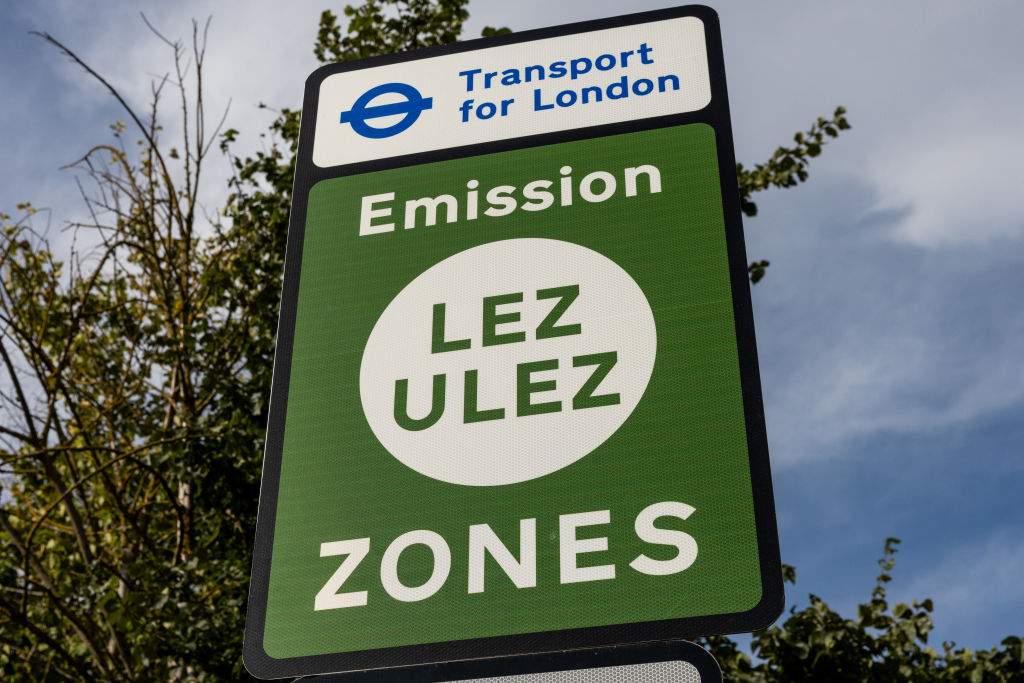
Ultra Low Emission Zones Linked to Improved Lung Capacity in Kids: UK Study
Translated from English, summarized and contextualized by DistantNews.
At a glance
News
Named sources
Context piece
- A UK study found that children's lung capacity improved significantly after London implemented ultra-low emission zones (ULEZ), restricting high-polluting vehicles.
- Researchers observed that London children's lung capacity returned to healthy levels, contrasting with initial stunting due to pollution exposure.
- The study supports the broader implementation of clean air zones as a public health intervention, showing a decrease in impaired lung function among children in London.
Children's lung capacity saw significant improvement following the introduction of ultra-low emission zones (ULEZ) in London, which restrict the most polluting vehicles, according to a new study. Researchers from Queen Mary University of London and Oxford University tracked over 3,000 school children aged six to nine in central London and Luton, a comparator town without clean air zones.
This evidence supports wider implementation of clean air zones as a public health intervention.
The study revealed that London children's lung capacity was restored to healthy levels after being initially stunted by pollution. In contrast, Luton, lacking such zones, showed different trends. The findings suggest that air quality improvements linked to clean air zones are associated with better lung growth trajectories in children, marking a potential breakthrough for such initiatives that have faced criticism.
Over four years, the study noted a decrease in the percentage of children with impaired lung function. In London, this figure dropped from 14% to 9%, while in Luton, it fell from 9% to 7%. The authors stated this is the first evidence linking air quality improvements from clean air zones to enhanced lung growth in children. Exposure to traffic-related air pollution is known to impair lung development, increasing risks for asthma, COPD, cardiometabolic disease, and premature mortality.
To our knowledge, we provide the first evidence that air quality improvements following introduction of a clean air zone are associated with improved lung growth trajectories in children.
Researchers observed accelerated lung growth in ULEZ areas, correlated with improved air quality. Specifically, the depletion of lung capacity was linked to the presence of nitrogen dioxide. Based on this evidence, the study advocates for the wider, even international, implementation of low emission zones to safeguard children's respiratory health globally, noting the absence of similar initiatives in Canada.
Children continue to be exposed to poor air quality in cities globally. decision makers globally should consider accelerating the introduction of clean air zones to improve children’s lung health.
DistantNews Editorial
Originally published by Global News in English. Translated, summarized, and contextualized by our editorial team with added local perspective. Read our editorial standards.
More Stories


From Our Blog

What Gets Lost (and Found) When News Is Translated

The Critical Role of Diaspora Media in Global News

What Travellers Should Know About Countries with Restricted Press

A Digital Nomad's Guide to Following Local News

How the Same Story Looks Different in Different Countries
