


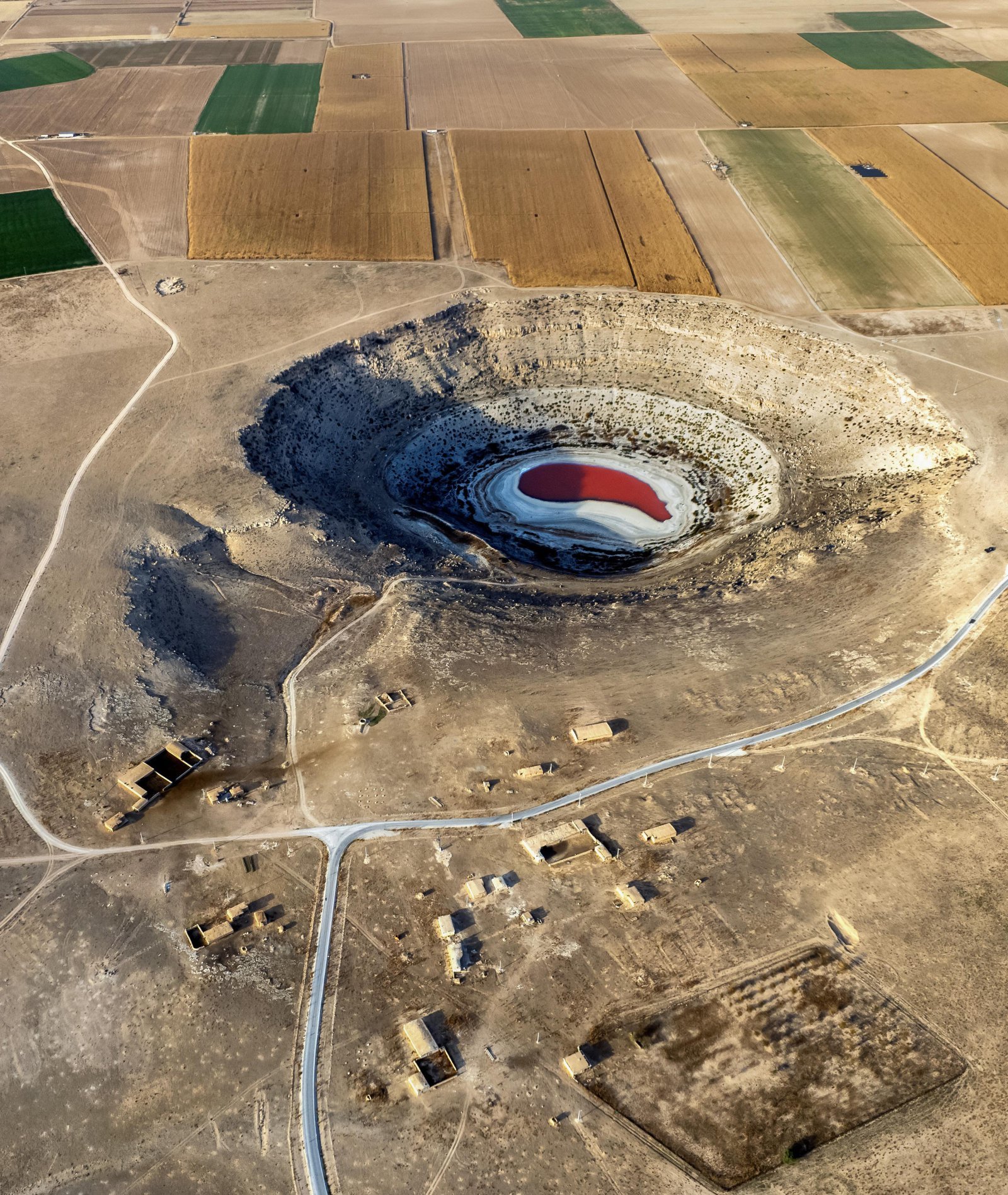
UN Declares 'Water Bankruptcy' as Climate Crisis Worsens Global Scarcity
Translated from Korean, summarized and contextualized by DistantNews.
At a glance
News
Named sources
Context piece
- The UN declared a 'water bankruptcy' due to severe global water shortages caused by climate change and overuse.
- Over 4 billion people face water scarcity for at least one month annually, impacting agriculture and potentially raising food prices.
- Scientific solutions like desalination and atmospheric water capture are being researched, alongside individual conservation efforts.
The United Nations has declared a global 'water bankruptcy,' signaling a critical shortage of the planet's water resources. This declaration stems from a UN report highlighting that climate change and excessive water consumption have pushed global water levels to a point of difficult recovery. The report defines water bankruptcy as a state where human water usage exceeds natural replenishment, leading to the depletion of stored water in glaciers and wetlands.
Water bankruptcy is defined as a state where the amount of water replenished by nature is less than the amount used by humans, and even the water stored in glaciers and wetlands is rapidly decreasing.
Globally, approximately 4 billion people experience water scarcity for at least a month each year. This lack of clean water for drinking, sanitation, and hygiene is particularly acute in regions like North Africa, the Middle East, and parts of Asia and the United States. The consequences extend beyond immediate human needs, impacting agricultural output and potentially driving up food prices worldwide. Even water-rich nations are not immune, as reduced agricultural production in scarcity-stricken areas can disrupt global supply chains.
Water bankruptcy will spread and worsen faster if measures are not taken to secure a stable supply of clean water.
The primary driver of this crisis is the rise in global temperatures, which alters atmospheric circulation patterns. Warmer air near the equator expands the Hadley circulation, leading to increased dryness in regions around 30 degrees latitude. Changes in the jet stream, caused by warming in the Arctic, further exacerbate extreme weather events, resulting in prolonged droughts in some areas and severe floods in others.
Extreme weather phenomena are becoming more pronounced, with continuous rain causing floods in some regions and severe drought in others.
Scientific research is actively pursuing solutions, including advanced desalination technologies that convert seawater into freshwater more efficiently, and atmospheric water capture methods that extract moisture from the air. Innovations like solar-powered desalination devices and the use of metal-organic frameworks (MOFs) to absorb and release water vapor are showing promise. However, experts emphasize that technological advancements must be coupled with individual conservation efforts, such as reducing shower times, to effectively address the escalating water crisis.
Small individual actions, like reducing shower time, can create significant change.
DistantNews Editorial
Originally published by Dong-A Ilbo in Korean. Translated, summarized, and contextualized by our editorial team with added local perspective. Read our editorial standards.
More Stories


From Our Blog

What Gets Lost (and Found) When News Is Translated

The Critical Role of Diaspora Media in Global News

What Travellers Should Know About Countries with Restricted Press

A Digital Nomad's Guide to Following Local News

How the Same Story Looks Different in Different Countries
