

UN scrutinises India over ‘mass voter deletions’
Summarized and contextualized by DistantNews.
At a glance
News
Official statement
Context piece
- Three UN special rapporteurs have questioned India's government over the alleged wrongful deletion of millions of voters, particularly Muslims.
- The rapporteurs expressed grave concerns about the removal of approximately 52 million names from electoral rolls, potentially violating international human rights law.
- They criticized rhetoric that linked the voter purge to 'illegal Bangladeshi immigrants' and sought clarification on the exercise.
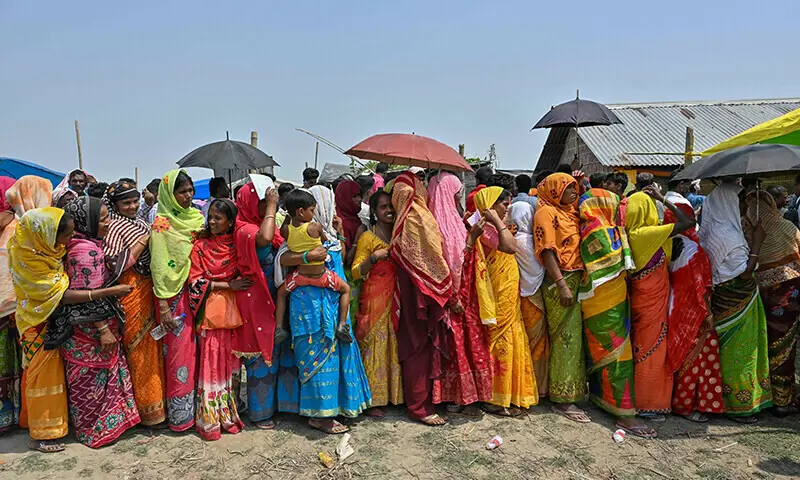
United Nations special rapporteurs are scrutinizing India's electoral process following allegations of a massive voter deletion exercise that disproportionately targeted Muslims. Three independent UN experts have formally requested clarification from the Indian government regarding the removal of approximately 52 million voters from electoral rolls across 12 states and union territories.
Rapporteurs say Muslims were disproportionately targeted in voter purge
In a communication dated May 1, 2026, the rapporteurs highlighted that while other minorities may have been affected, Muslim citizens appeared to bear the brunt of these administrative exclusions. They expressed grave concerns that such an exercise could violate international human rights law, particularly in its potential to disenfranchise a significant portion of the population.
Seek explanation over alleged deletion of 52m voters
The UN experts also criticized the rhetoric that has reportedly linked the voter purge to the presence of 'illegal Bangladeshi immigrants.' This framing, they suggest, could exacerbate discrimination and undermine the principles of inclusive democracy. The rapporteurs are seeking a detailed explanation from India regarding the methodology and justification for these extensive voter deletions ahead of recent state elections.
Warn exercise may violate international human rights law
DistantNews Editorial
Originally published by Dawn. Summarized and contextualized by our editorial team with added local perspective. Read our editorial standards.
More Stories
From Our Blog

What Gets Lost (and Found) When News Is Translated

The Critical Role of Diaspora Media in Global News

What Travellers Should Know About Countries with Restricted Press

A Digital Nomad's Guide to Following Local News

How the Same Story Looks Different in Different Countries
