

UN Security Council Election: Germany Faces Tough Contest
Translated from German, summarized and contextualized by DistantNews.
At a glance
News
Named sources
Ongoing story
- Germany is competing for a non-permanent seat on the UN Security Council for the 2027-2028 term in a closely contested election.
- The election involves competition from EU partners Austria and Portugal for two available seats in the Western European and Other States group.
- Germany has a strong track record, having been elected six times previously without failure, and is actively campaigning for votes.
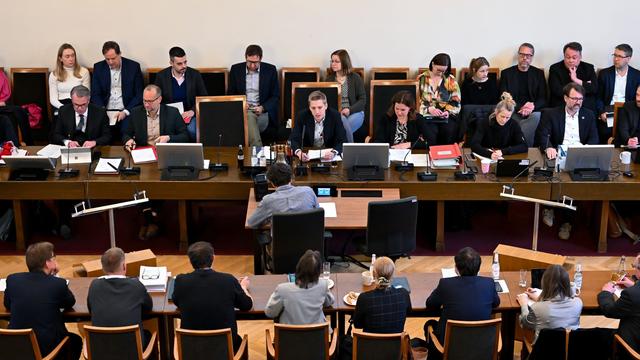
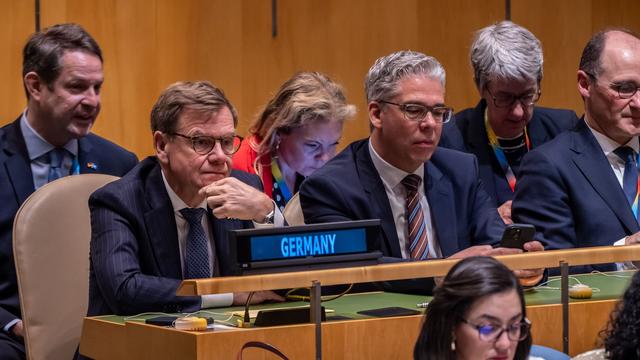
Germany faces a challenging election today in New York for a non-permanent seat on the United Nations Security Council for the 2027 and 2028 terms. The UN General Assembly will vote on which nations will join the powerful body, with expectations of a tight race. Germany's bid is complicated by competition from fellow EU members Austria and Portugal, as only two seats are available for the "Western European and Other States" group.
Securing a seat on the Security Council offers increased international influence and weight. The Council, however, is often criticized for being paralyzed by the conflicting interests of its five permanent members, China, Russia, the United States, France, and the United Kingdom, who hold veto power. Despite these challenges, it remains the only UN body capable of making legally binding decisions.
Germany is seeking its seventh term on the Council. According to diplomats, the Federal Republic has never failed in its previous bids. Foreign Minister Johann Wadephul (CDU) is in New York to campaign vigorously for Germany's candidacy until the last minute, as the outcome is far from certain. Germany announced its candidacy later than its competitors, a process that often involves years of negotiation and potential vote-swapping agreements.
Germany is a significant financial contributor to the UN, ranking as the third-largest donor based on membership dues, and second-largest when considering the budget for peacekeeping missions and voluntary payments. A failure in this election would represent a setback for Chancellor Friedrich Merz's and Wadephul's ambitions for Germany to play a more substantial role in resolving global conflicts. Merz stated on Tuesday that "We have done everything in our power... to make it possible for us to get the approval of the General Assembly of the United Nations."
We have done everything in our power, also the Federal Foreign Minister, also I personally, many cabinet colleagues, to make it possible for us to get the approval of the General Assembly of the United Nations.
DistantNews Editorial
Originally published by Die Zeit in German. Translated, summarized, and contextualized by our editorial team with added local perspective. Read our editorial standards.
More Stories

From Our Blog

What Gets Lost (and Found) When News Is Translated

How the Same Story Looks Different in Different Countries

The Critical Role of Diaspora Media in Global News

What Travellers Should Know About Countries with Restricted Press

A Digital Nomad's Guide to Following Local News
