


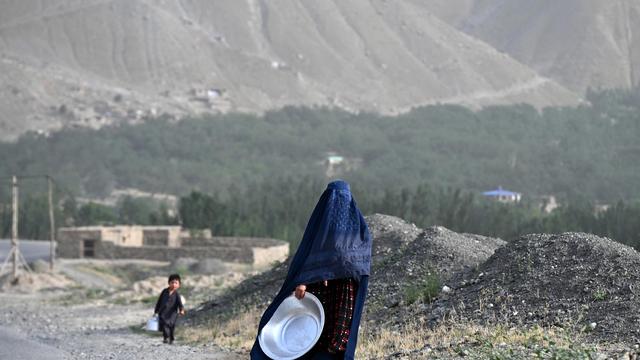
UN warns of escalating hunger crisis in Afghanistan
Translated from German, summarized and contextualized by DistantNews.
At a glance
News
Sources not specified
Ongoing story
- Afghanistan faces a devastating hunger crisis, with the World Food Programme (WFP) only able to support one in nine malnourished children.
- Forty-seven percent of minors were malnourished in the first quarter of this year, reaching unprecedented levels.
- WFP warns that extreme hunger drives migration and radicalization, potentially leading to instability beyond Afghanistan's borders.
Afghanistan is grappling with a hunger crisis of "devastating proportions," according to the United Nations' World Food Programme (WFP). The agency reports it can now only assist one in every nine malnourished children in the country due to significant cuts in development aid from donor nations.
The WFP can now only support one in nine malnourished children.
John Aylieff, the WFP Country Director for Afghanistan, warned that the level of malnutrition has reached an unprecedented scale. In the first quarter of this year alone, 47 percent of minors were found to be undernourished. UN estimates suggest over 48 million people live in Afghanistan.
Aylieff cautioned that the consequences of this extreme hunger are likely to extend beyond Afghanistan's borders. "Extreme hunger drives migration and radicalization and ultimately leads to instability," he stated, adding, "As history shows, instability does not tend to stop at borders."
Malnutrition has reached an unprecedented scale.
The WFP has only received a fraction of the $900 million it budgeted for Afghanistan this year, securing just over 10 percent. Despite expectations of a good harvest, this offers little relief as the number of people needing food assistance continues to rise. Compounding the issue, approximately six million Afghans have been forced to return from neighboring countries in the past three years, while the German government is also increasing deportations to Afghanistan. The country has been under Taliban rule since the withdrawal of international troops in 2021, leading to a drastic deterioration in the human rights situation.
Extreme hunger drives migration and radicalization and ultimately leads to instability. As history shows, instability does not tend to stop at borders.
DistantNews Editorial
Originally published by Die Zeit in German. Translated, summarized, and contextualized by our editorial team with added local perspective. Read our editorial standards.
More Stories


From Our Blog

What Gets Lost (and Found) When News Is Translated

How the Same Story Looks Different in Different Countries

The Critical Role of Diaspora Media in Global News

What Travellers Should Know About Countries with Restricted Press

A Digital Nomad's Guide to Following Local News
