

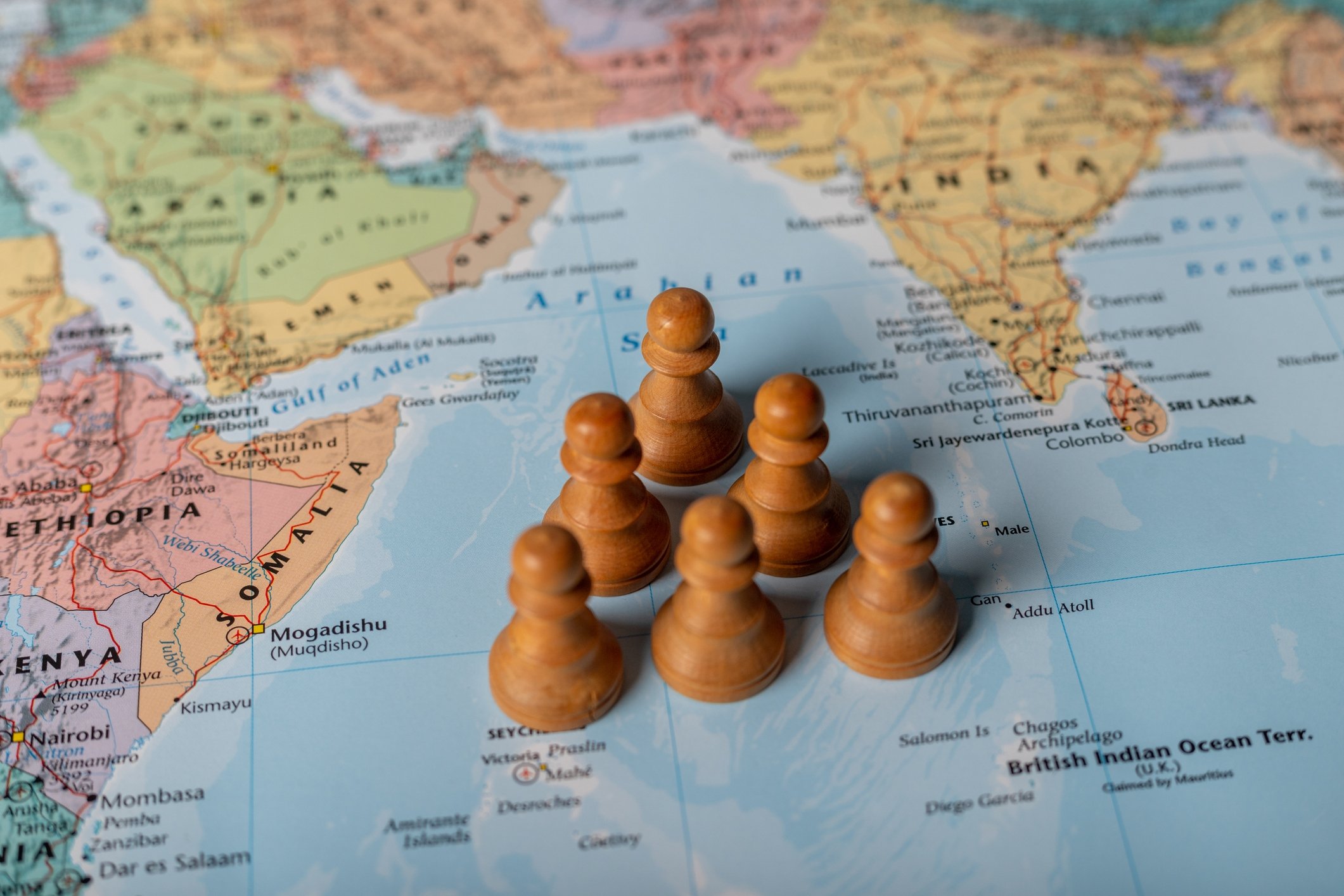
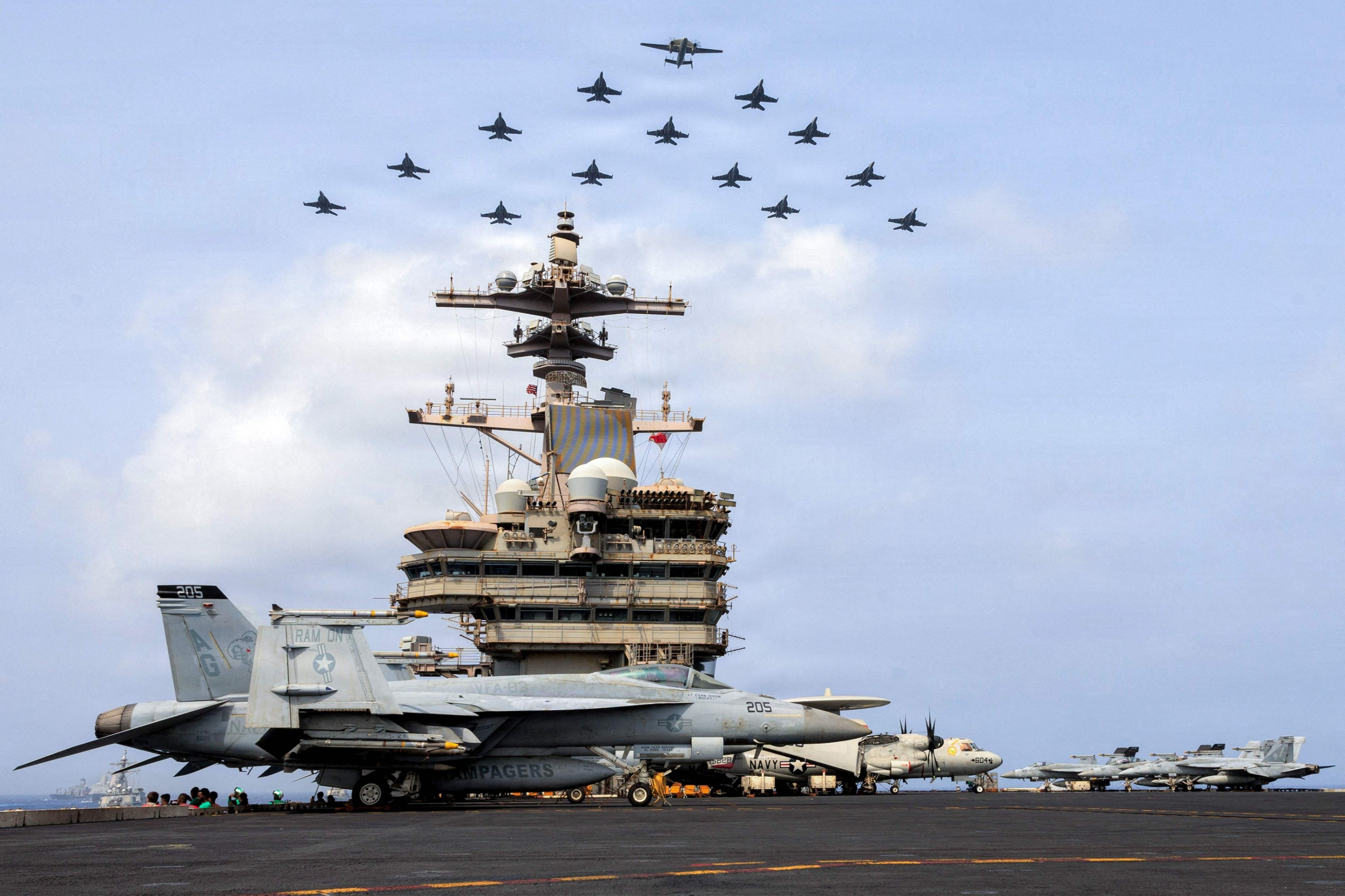
Unanswered questions behind prolonged US-Iran war
Summarized and contextualized by DistantNews.
At a glance
Analysis
Sources not specified
Context piece
- The article questions the prolonged nature of the U.S.-Iran conflict, drawing parallels to pre-World War II diplomacy.
- It suggests that in 1938, European leaders prioritized diplomacy to avoid another war despite fresh memories of World War I.
- The piece implies that current approaches to the U.S.-Iran situation may be overlooking diplomatic avenues or repeating historical missteps.
The article probes the persistent tensions between the United States and Iran, posing questions about why the conflict remains prolonged. It draws a historical parallel to the diplomatic climate in Europe during the autumn of 1938. At that time, European nations, still bearing the fresh wounds of World War I, were deeply averse to another large-scale conflict.
Political leaders in 1938 widely believed that diplomacy offered the most viable path to prevent another catastrophe. While appeasement was a significant factor in the lead-up to World War II, the prevailing sentiment among many was a strong desire to exhaust all diplomatic options before resorting to war. This focus on negotiation and dialogue, however complex, was seen as paramount.
By invoking this historical context, the article suggests that current strategies or approaches to managing the U.S.-Iran relationship might be overlooking crucial lessons from the past. It implicitly questions whether sufficient emphasis is being placed on diplomatic solutions or if a failure to learn from historical precedents is contributing to the ongoing, protracted nature of the confrontation. The piece encourages a re-evaluation of strategies through the lens of historical diplomatic efforts.
DistantNews Editorial
Originally published by Daily Sabah. Summarized and contextualized by our editorial team with added local perspective. Read our editorial standards.
More Stories
From Our Blog

What Gets Lost (and Found) When News Is Translated

The Critical Role of Diaspora Media in Global News

What Travellers Should Know About Countries with Restricted Press

A Digital Nomad's Guide to Following Local News

How the Same Story Looks Different in Different Countries
