


Undocumented Population in U.S. Nears 16 Million in 2024; Central and South Americans Displace Mexicans
Translated from Spanish, summarized and contextualized by DistantNews.
At a glance
News
Documents & data
Context piece
- The undocumented immigrant population in the U.S. reached 15.8 million in 2024, a significant increase from the previous decade.
- Central and South Americans now constitute a larger proportion of this population, displacing Mexicans.
- Analysts suggest the undocumented population may stabilize or decrease under stricter immigration policies.
The number of undocumented immigrants residing in the United States surged to 15.8 million in 2024, marking a substantial rise from the approximately 11 million recorded throughout the 2010s. This growth, detailed in a study by the Migration Policy Institute (MPI), is attributed to increased border crossings and the Biden administration's prior efforts to manage border chaos.
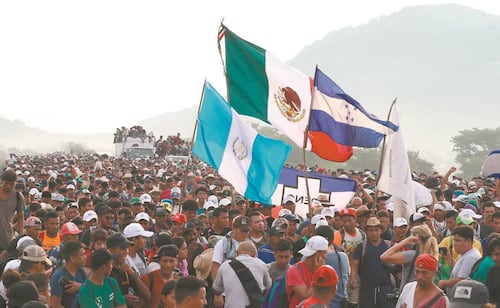
Central and South Americans have increasingly become the dominant groups within the undocumented population, significantly outnumbering Mexicans. In 2024, Mexicans represented 35% of this demographic, a notable decrease from 62% in 2010 and 49% in 2019. Over the period of 2019 to 2024, immigrants from Central America increased by 2.3 million, primarily from Honduras and Guatemala. Migration from South America also grew by 1.3 million in the same timeframe, with significant contributions from Venezuela, Colombia, Ecuador, and Brazil.
Looking ahead, analysts suggest that the undocumented immigrant population might stabilize or even decline starting in 2025. This projection is linked to the anticipated impact of Donald Trump's restrictive immigration policies and potentially increased deportations. If border entries remain at their current low levels and deportations rise considerably, experts predict a decrease in the undocumented population in the coming years.
If the administration manages to considerably increase deportations and if border entries remain at their notably low levels, the undocumented immigrant population could begin to decrease in 2026 and beyond.
DistantNews Editorial
Originally published by El Universal in Spanish. Translated, summarized, and contextualized by our editorial team with added local perspective. Read our editorial standards.
More Stories



From Our Blog

What Press Freedom Means for the News You Read

What Gets Lost (and Found) When News Is Translated

The Critical Role of Diaspora Media in Global News

What Travellers Should Know About Countries with Restricted Press

A Digital Nomad's Guide to Following Local News
