

UNESCO demands Pakistan reverse Taxila site 'reconstructions' or face danger list
Translated from English, summarized and contextualized by DistantNews.
At a glance
News
Named sources
Under investigation
- UNESCO has urged Pakistan to reverse reconstruction work at the historical Taxila sites of Mohra Moradu and Sirkap.
- The UN cultural body warned that failure to do so could lead to Taxila being placed on UNESCO's 'danger list'.
- The Punjab archaeology department defended its interventions as conservation measures, but UNESCO cited concerns over compromised authenticity and integrity.
UNESCO has demanded that Pakistan reverse recent reconstruction work at the ancient sites of Mohra Moradu and Sirkap in Taxila, warning that the historical location could be relegated to UNESCO's 'danger list.' The UN's cultural arm stated that the "unnecessary interventions" have undermined the integrity and authenticity of these World Heritage sites.
delisted
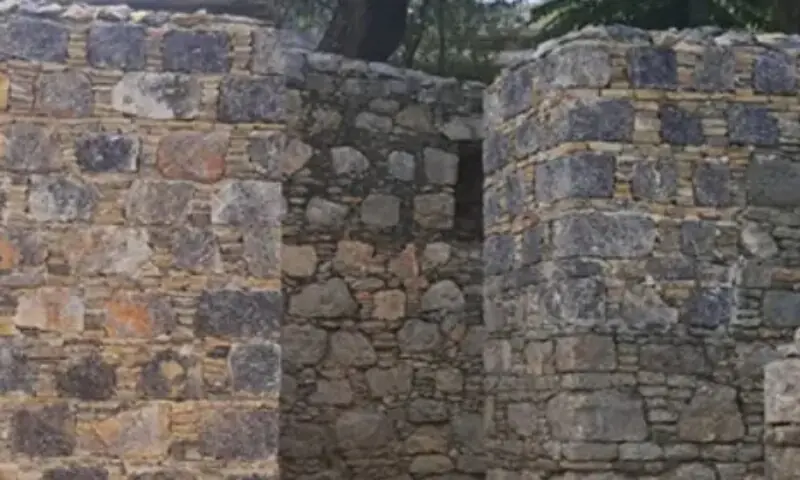
Sources within Pakistan's Ministry of National Heritage and Culture revealed that UNESCO explicitly stated it would "delist" Taxila if the actions were not undone. The issue gained prominence in March after photographic evidence emerged showing new construction replacing or heightening original walls, allegedly under the guise of conservation by the Punjab archaeology department.
UNESCO cautioned that such interventions compromise the sites' authenticity and integrity, potentially leading to their inclusion on the 'danger list.' Photos reviewed by Dawn newspaper clearly distinguish between irregular ancient stones and uniform, modern building materials used in the recent works.
delist
A joint technical visit involving UNESCO, the Department of Archaeology and Museums, and the Ministry of National Heritage took place on June 12. During this visit, the Punjab archaeology department presented its justification for the work. UNESCO requested specific documentation, including heritage impact assessments and photographic records, to evaluate the conservation and restoration efforts.
unnecessary interventions
DistantNews Editorial
Originally published by Dawn in English. Translated, summarized, and contextualized by our editorial team with added local perspective. Read our editorial standards.
More Stories

From Our Blog

What Gets Lost (and Found) When News Is Translated

The Critical Role of Diaspora Media in Global News

What Travellers Should Know About Countries with Restricted Press

A Digital Nomad's Guide to Following Local News

How the Same Story Looks Different in Different Countries
