

Unified QR code launch in Kazakhstan: National Bank addresses commission concerns
Translated from English, summarized and contextualized by DistantNews.
At a glance
News
Official statement
New plan
- Kazakhstan launched a unified QR code payment system on July 19, allowing customers to pay via their bank's app regardless of the merchant's bank.
- Payments are free for customers, with merchants paying a commission capped by law at the rate for card payments.
- The National Bank addressed criticism that commissions could burden businesses, stating it monitors tariffs and has already reduced interbank commissions for card payments significantly over the past two years.
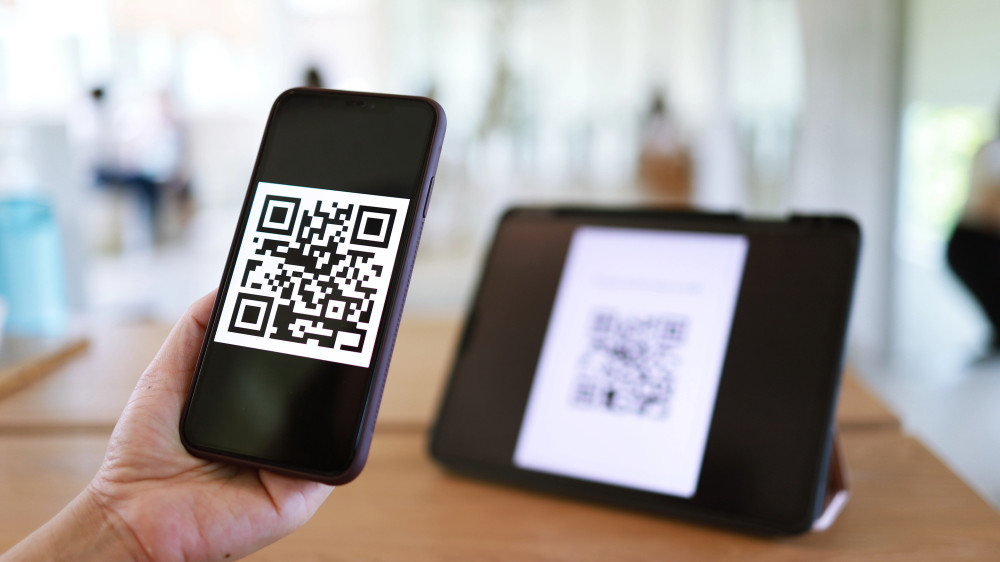
Kazakhstan has introduced a unified QR code payment system, aiming to streamline transactions and reduce costs for consumers. Launched on July 19, the system enables customers to pay for purchases using their own bank's mobile application, irrespective of which bank the merchant uses for their terminal. This convenience comes at no direct cost to the customer, as the commission is borne by the merchant.
Thus, merchants' expenses when accepting payments through the unified QR are guaranteed not to exceed the cost of a similar transaction using a card from any other bank.
The National Bank of Kazakhstan has emphasized that merchant expenses for these unified QR payments will not exceed those incurred for similar transactions made via bank card. This is stipulated by law, which limits the fee to the commission charged for card payments. For payments between customers and merchants serviced by the same bank, the tariff is set by that bank.
When payments involve different banks, the commission is distributed. The customer's bank receives 1 percent as an interbank commission (interchange fee), part of which may be returned to the customer as cashback or bonuses. The remaining portion goes to the merchant's bank for processing the payment. Additionally, banks settle accounts with the National Payment Corporation, which handles technical maintenance for a tariff of 0.05 percent of the payment value.
The National Bank noted that commercial banks independently set commissions for merchants, taking into account the costs of terminals, infrastructure, and payment processing.
Concerns were raised following the launch, with a petition on the GosRating platform claiming interbank payment commissions could reach 1.5 percent, potentially burdening small businesses. The National Bank responded by stating that commercial banks independently set merchant commissions based on operational costs. However, the regulator affirmed its oversight of banks' tariff policies and its commitment to seeking ways to reduce the burden on businesses if necessary. The bank also highlighted that interbank commissions for card payments have already been halved over the past two years, with further reductions implemented for various card tiers.
The introduction of the unified QR does not restrict conventional payment options; rather, it expands them, giving businesses and customers freedom of choice.
DistantNews Editorial
Originally published by Tengrinews in English. Translated, summarized, and contextualized by our editorial team with added local perspective. Read our editorial standards.
More Stories

From Our Blog

What Gets Lost (and Found) When News Is Translated

The Critical Role of Diaspora Media in Global News

What Travellers Should Know About Countries with Restricted Press

A Digital Nomad's Guide to Following Local News

How the Same Story Looks Different in Different Countries
