

"Unknown territory": UN warns global El Niño and climate change will raise temperatures to unprecedented levels
Translated from Spanish, summarized and contextualized by DistantNews.
At a glance
News
Sources not specified
Context piece
- UN Secretary-General António Guterres warned that global El Niño and climate change could drive unprecedented temperatures and extreme weather.
- The World Meteorological Organization anticipates warmer-than-usual conditions globally in the coming months due to the Pacific Ocean's warming.
- Guterres urged four actions: strengthen heatwave alerts, protect outdoor workers, adapt infrastructure, and accelerate fossil fuel reduction.
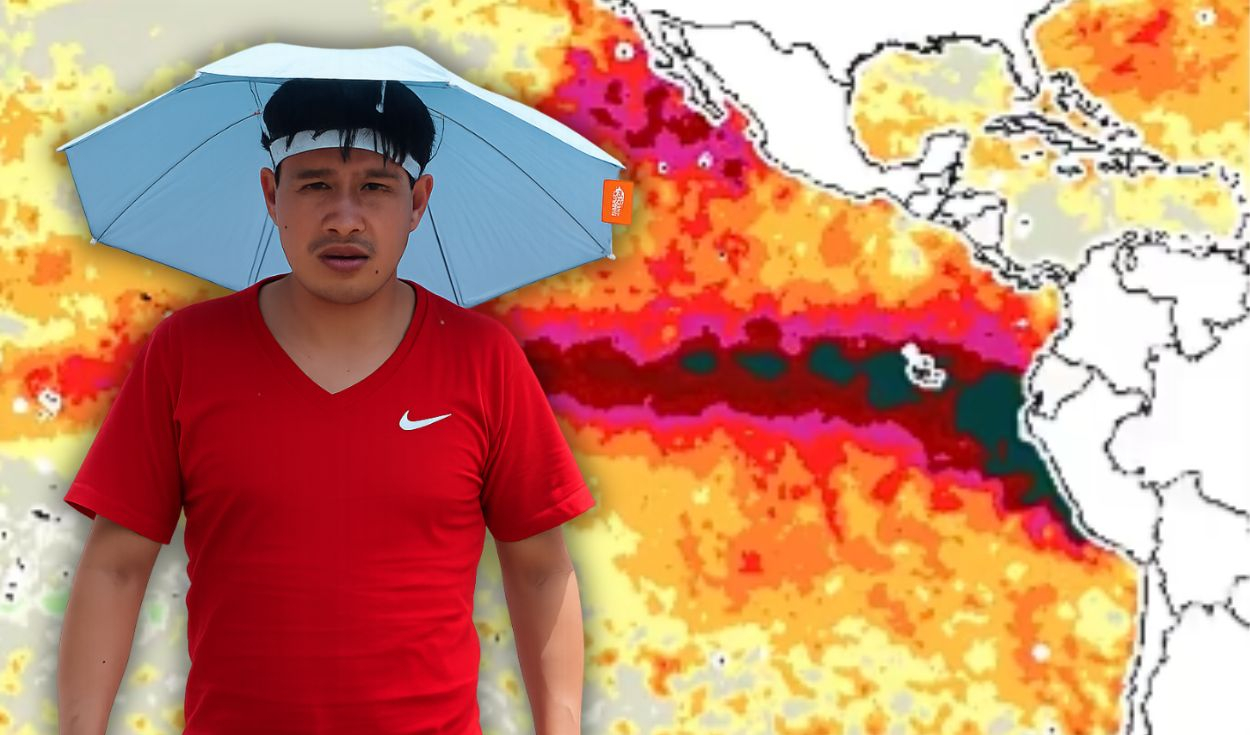
The world is entering "unknown territory" as the strengthening El Niño phenomenon, combined with climate change, threatens to push global temperatures to unprecedented levels and trigger more extreme weather events, United Nations Secretary-General António Guterres warned.
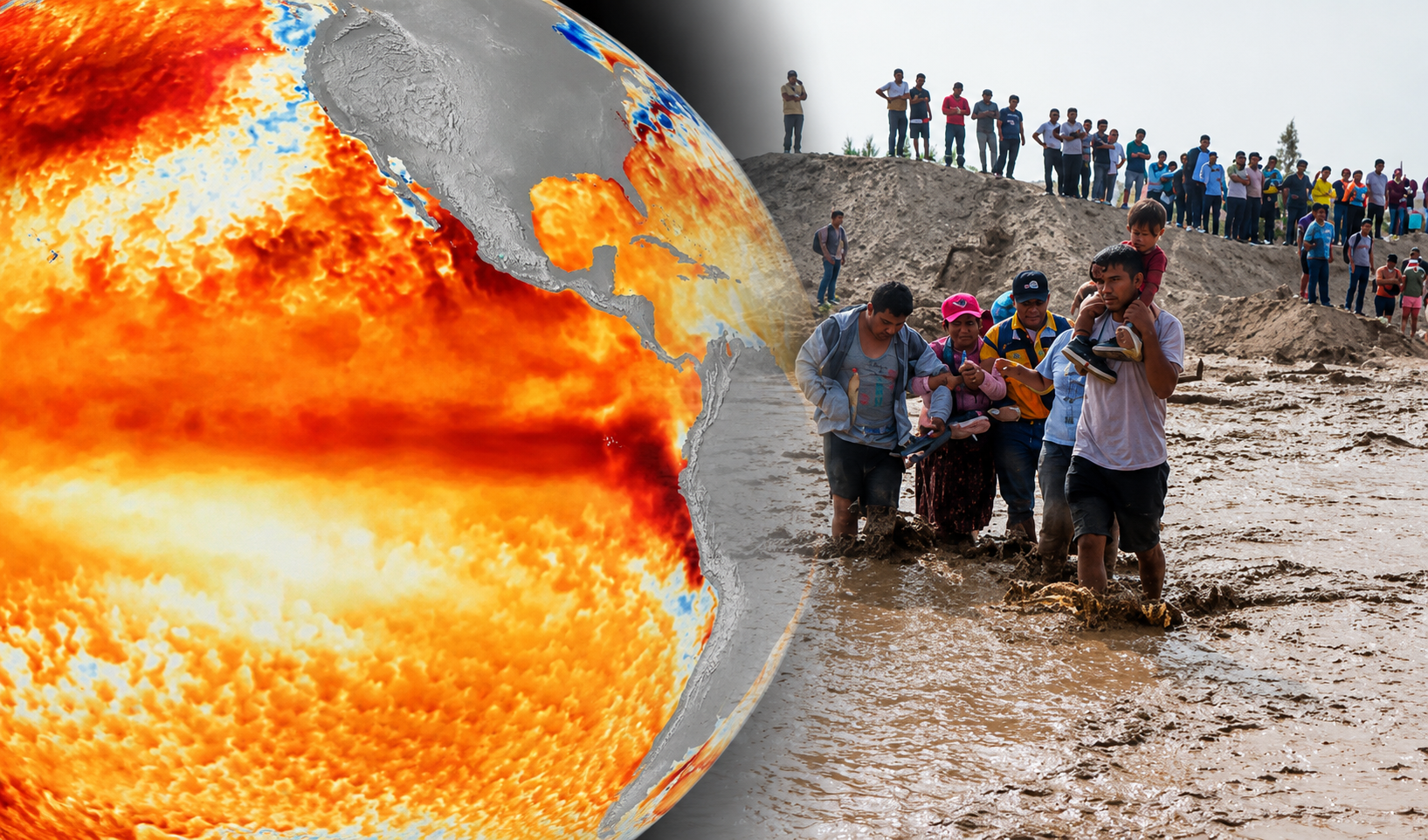
New forecasts from the World Meteorological Organization (WMO) anticipate warmer-than-usual conditions across much of the globe in the coming months. The WMO explained that rising temperatures in the equatorial Pacific Ocean are already altering global climate patterns. When added to human-caused warming, this increases the risk of heatwaves, intense rainfall, wildfires, and droughts.
Guterres noted that just two months after he first alerted the world to El Niño's arrival, the phenomenon is "already inside the house" and continuing to elevate global temperatures. He pointed to the current summer, already marked by extreme weather, including wildfires in Europe and record-breaking heatwaves that have caused thousands of deaths.
The WMO further detailed that Pacific waters are currently up to 3 degrees Celsius above normal. Forecasts suggest that until October, nearly all continental areas will experience temperatures higher than their usual values, potentially leading to new seasonal records and more severe consequences worldwide. In response, Guterres outlined four priority actions: enhancing alert systems for extreme heat, implementing measures to protect workers exposed to high temperatures, adapting urban infrastructure and public services, and accelerating the reduction of fossil fuel use to limit global warming.
DistantNews Editorial
Originally published by La República in Spanish. Translated, summarized, and contextualized by our editorial team with added local perspective. Read our editorial standards.
More Stories
From Our Blog

What Gets Lost (and Found) When News Is Translated

The Critical Role of Diaspora Media in Global News

What Travellers Should Know About Countries with Restricted Press

A Digital Nomad's Guide to Following Local News

How the Same Story Looks Different in Different Countries
