

Upstage CEO: Government must boost AI support tenfold amid export controls
Translated from Korean, summarized and contextualized by DistantNews.
At a glance
News
Sources not specified
Context piece
- Upstage CEO Kim Sung-hoon called for the South Korean government to increase support for independent AI technology by more than tenfold.
- Kim emphasized the need for self-reliant AI capabilities, stating that AI has become a national strategic asset that can be controlled by countries like the US and China.
- Upstage is participating in the government-led 'Independent AI Foundation Model' (Dok-Pa-Mo) project and plans to release satisfactory models in later stages.
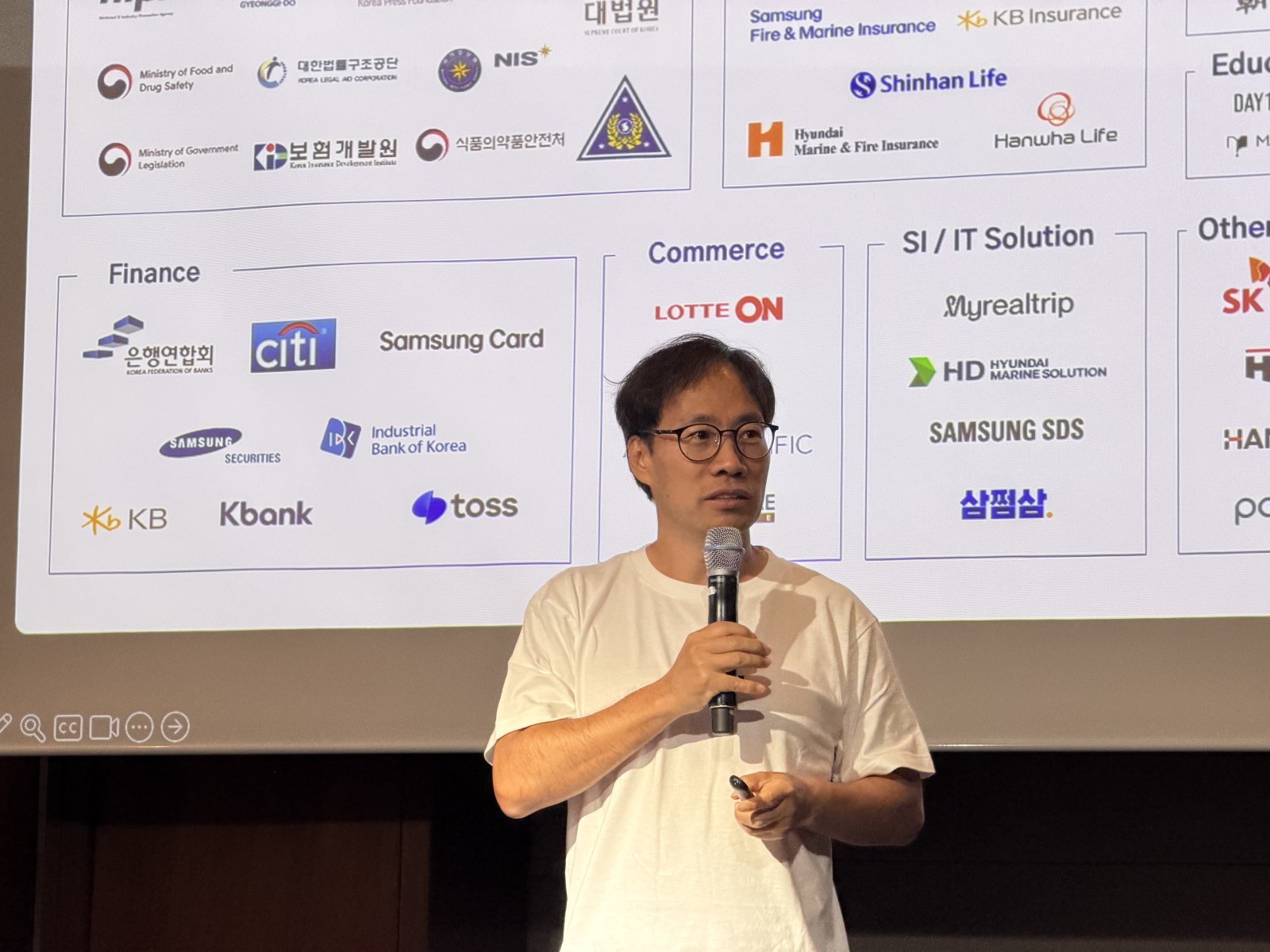
Upstage CEO Kim Sung-hoon urged the South Korean government to significantly boost its support for indigenous artificial intelligence (AI) technology, advocating for a tenfold increase in funding. Kim highlighted AI's status as a national strategic asset, noting that major powers like the US and China can restrict access to their AI technologies. Therefore, he stressed the critical need for South Korea to develop its own robust AI capabilities.
Kim made these remarks during a media briefing in Seoul, where he discussed the implications of US export controls on AI models. He acknowledged the timely nature of the government's 'Independent AI Foundation Model' (Dok-Pa-Mo) project and GPU support initiatives. Upstage is actively involved in the Dok-Pa-Mo project, and Kim expressed confidence in delivering impressive models in the project's subsequent phases.
AI has become like a national strategic asset. If they put their minds to it, both the US and China can cut off their own AI, so we must maximize our own technology.
Upstage also announced that a preview version of its open-source model, 'Solar Open2,' developed through the Dok-Pa-Mo project, achieved a score of 44.4 on the Artificial Analysis Intelligence Index (AAII). This performance underscores the company's progress in developing competitive AI technologies independently.
The Dok-Pa-Mo and government-led GPU support projects are proceeding in a timely manner.
DistantNews Editorial
Originally published by Dong-A Ilbo in Korean. Translated, summarized, and contextualized by our editorial team with added local perspective. Read our editorial standards.
More Stories



From Our Blog

What Gets Lost (and Found) When News Is Translated

The Critical Role of Diaspora Media in Global News

What Travellers Should Know About Countries with Restricted Press

A Digital Nomad's Guide to Following Local News

How the Same Story Looks Different in Different Countries
