

Urban Flooding Threatens Pakistani Cities Amidst Poor Preparedness
Translated from English, summarized and contextualized by DistantNews.
At a glance
News
Sources not specified
Context piece
- Pakistan's cities are poorly prepared for heavy rainfall, with warnings of urban flooding in Punjab and Sindh despite forecasts of below-normal monsoon rainfall.
- Unplanned construction has encroached on natural drainage systems, overwhelming existing infrastructure designed for different rainfall patterns.
- Reactive responses, lack of coordination between departments, and insufficient investment in drainage infrastructure contribute to the recurring problem of urban flooding.
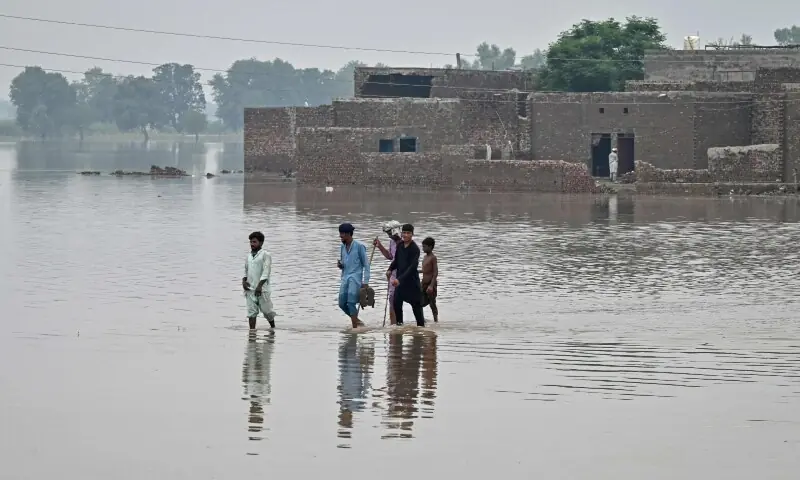
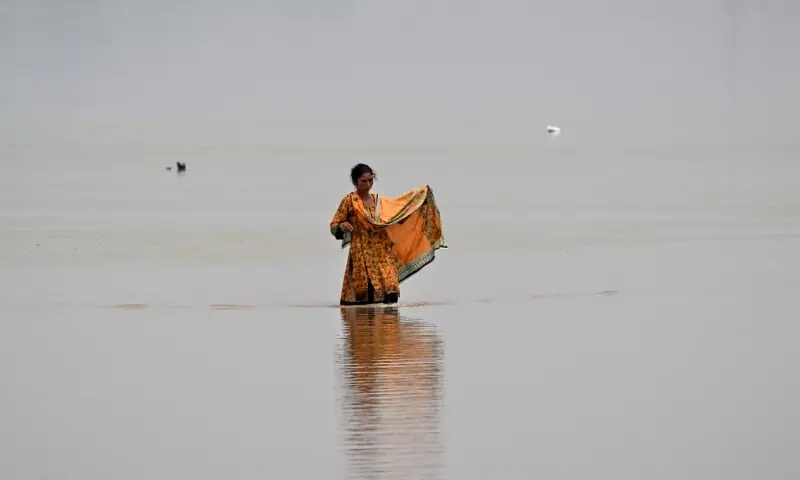
Authorities have warned that a new monsoon spell could trigger urban flooding in major cities across Punjab and Sindh, highlighting the severe lack of preparedness in Pakistan's urban centers. Cities like Rawalpindi, Lahore, Multan, Hyderabad, Umerkot, and Tando Allahyar are flagged as high-risk areas. This warning is particularly concerning given the Met Office's forecast of below-normal rainfall this year. Even reduced rainfall poses a significant risk if intense bursts overwhelm the ground and drainage systems faster than they can cope.
The persistent problem of urban flooding is a direct consequence of Pakistan's development patterns. Unplanned construction has systematically encroached upon natural drainage channels and wetlands that once absorbed rainwater. Waterways have been illegally occupied, storm-water systems remain designed for outdated rainfall patterns, and drains are frequently choked with solid waste, rendering them ineffective.
Responses to flooding remain largely reactive. Drains are cleared only when the rain begins to fall, pumps are deployed after roads are already submerged, and warnings are issued, repeated, and then forgotten until the next rainfall event. This crisis management approach is a poor substitute for genuine preparedness. Most Pakistani cities lack comprehensive flood-risk maps, functional drainage master plans, and a clear command structure for immediate action during floods.
Climate change has rendered previous planning assumptions obsolete. Cities now require infrastructure capable of handling short, intense downpours that can overwhelm drainage systems within minutes. Every new development project must be rigorously assessed for its impact on natural water flow before approval. Existing drainage systems need significant redesigning and expansion to match current rainfall intensities, rather than mere patchwork repairs before the monsoon season. While Pakistan cannot control rainfall, it can significantly mitigate the disaster risk through better urban planning and sustained investment in drainage infrastructure and its maintenance.
DistantNews Editorial
Originally published by Dawn in English. Translated, summarized, and contextualized by our editorial team with added local perspective. Read our editorial standards.
More Stories

From Our Blog

What Gets Lost (and Found) When News Is Translated

The Critical Role of Diaspora Media in Global News

What Travellers Should Know About Countries with Restricted Press

A Digital Nomad's Guide to Following Local News

How the Same Story Looks Different in Different Countries
