


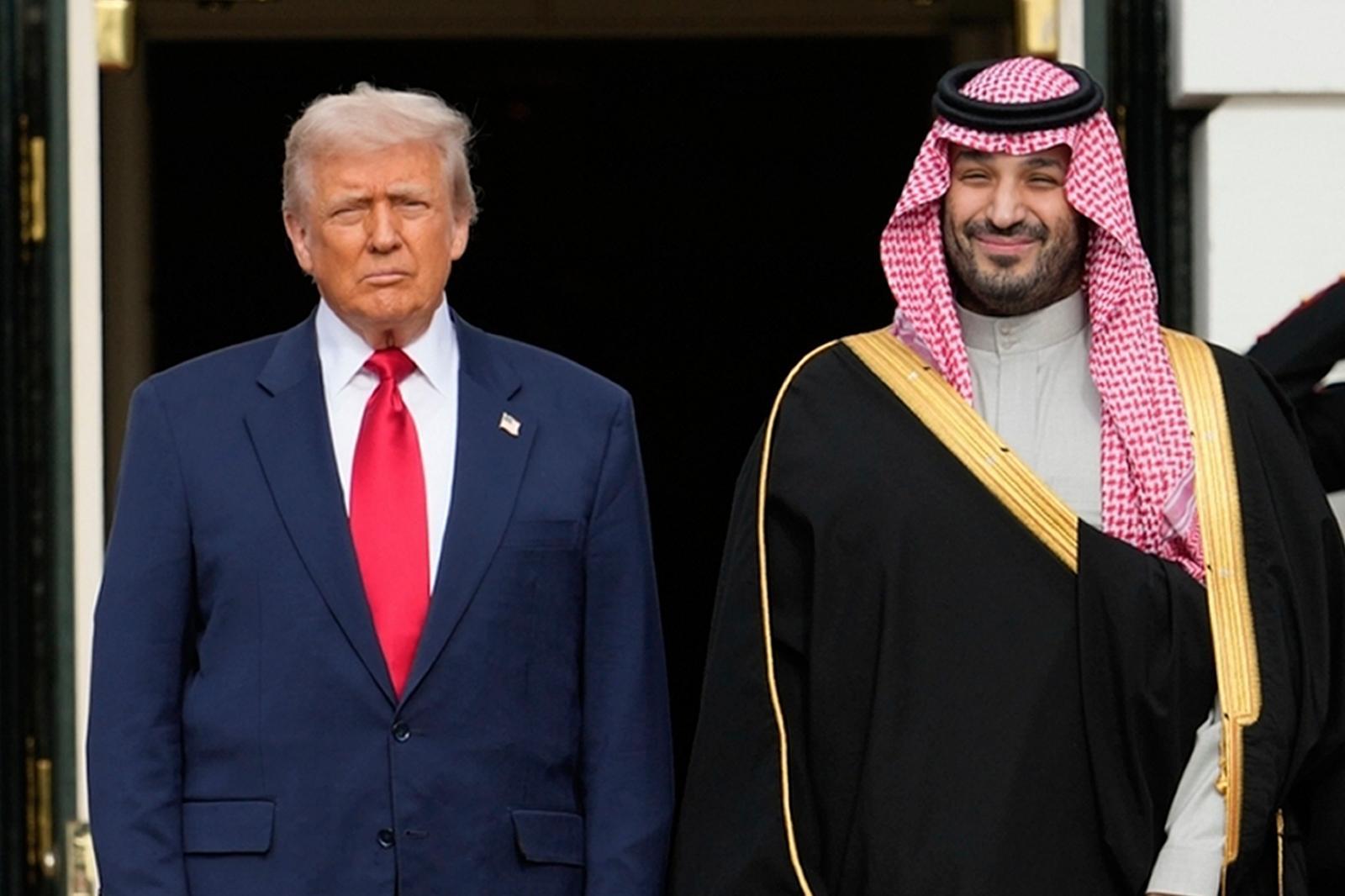
US allows Saudi uranium enrichment, sparking South Korean frustration over decades-old restrictions
Translated from Korean, summarized and contextualized by DistantNews.
At a glance
News
Sources not specified
New plan
- The US has signed a nuclear cooperation agreement with Saudi Arabia that allows for uranium enrichment, a capability previously denied to South Korea.
- South Korea, a major nuclear power, still relies on foreign imports for enriched uranium, hindering its nuclear industry's development.
- This US-Saudi deal highlights a perceived double standard, as South Korea has been restricted by a 52-year-old treaty with the US.
The United States has opened the door for Saudi Arabia to enrich uranium through a new nuclear cooperation agreement, a move that starkly contrasts with the restrictions imposed on South Korea.
The agreement, signed on July 22, permits Saudi Arabia to build uranium enrichment facilities on its soil, with US companies potentially involved, pending a two-year verification period. This development is particularly galling for South Korea, which has been bound by a US-Korea Atomic Energy Agreement since 1974, prohibiting it from enriching uranium without US consent.
Despite being the world's fifth-largest nuclear power with 26 operating reactors, South Korea remains dependent on foreign sources for enriched uranium. This dependency has long been a significant obstacle to the advancement of its own nuclear industry, especially as the nation plans to build additional reactors to secure power for its large-scale semiconductor investments.
South Korea's repeated requests to the US for enrichment rights have consistently been denied, with Washington citing non-proliferation principles. The new agreement with Saudi Arabia, a nation without existing nuclear power plants, appears to undermine these principles and has fueled frustration in Seoul over what is perceived as a discriminatory policy.
DistantNews Editorial
Originally published by Dong-A Ilbo in Korean. Translated, summarized, and contextualized by our editorial team with added local perspective. Read our editorial standards.
More Stories


From Our Blog

What Gets Lost (and Found) When News Is Translated

The Critical Role of Diaspora Media in Global News

What Travellers Should Know About Countries with Restricted Press

A Digital Nomad's Guide to Following Local News

How the Same Story Looks Different in Different Countries
