


US and Iran Set for Working-Level Talks in Switzerland Amid Strait of Hormuz Blockade Threat
Translated from Korean, summarized and contextualized by DistantNews.
At a glance
News
Sources not specified
Ongoing story
- The United States and Iran are scheduled to hold working-level talks in Switzerland on June 21, amid escalating tensions and Iran's threat to re-block the Strait of Hormuz.
- The talks aim to make progress on nuclear issues and a Lebanon ceasefire, following a previous meeting in Islamabad in April.
- Iran claims the US and Israel violated a ceasefire agreement, leading to its declaration to block the Strait of Hormuz, though the US maintains the strait remains open.
The United States and Iran are set to engage in working-level talks in Switzerland on June 21, a crucial meeting occurring amidst heightened tensions and Iran's threat to re-block the strategic Strait of Hormuz. This direct engagement follows Iran's assertion that Israeli airstrikes in southern Lebanon constitute a violation of a US-Iran memorandum of understanding (MOU) on a ceasefire. The US, however, stated on June 20 that the Strait of Hormuz remains open.
U.S. Vice President J.D. Vance is leading the American delegation, which also includes Jared Kushner, former President Trump's son-in-law, and Middle East envoy Steve Witkoff. Vance indicated that the negotiations would likely span two days, expressing hope for progress on nuclear matters and the Lebanon ceasefire. This meeting marks the first direct dialogue between the two nations since talks were held in Islamabad, Pakistan, on April 10-11, and is intended to lay the groundwork for substantive negotiations, potentially leading to further expert-level discussions.
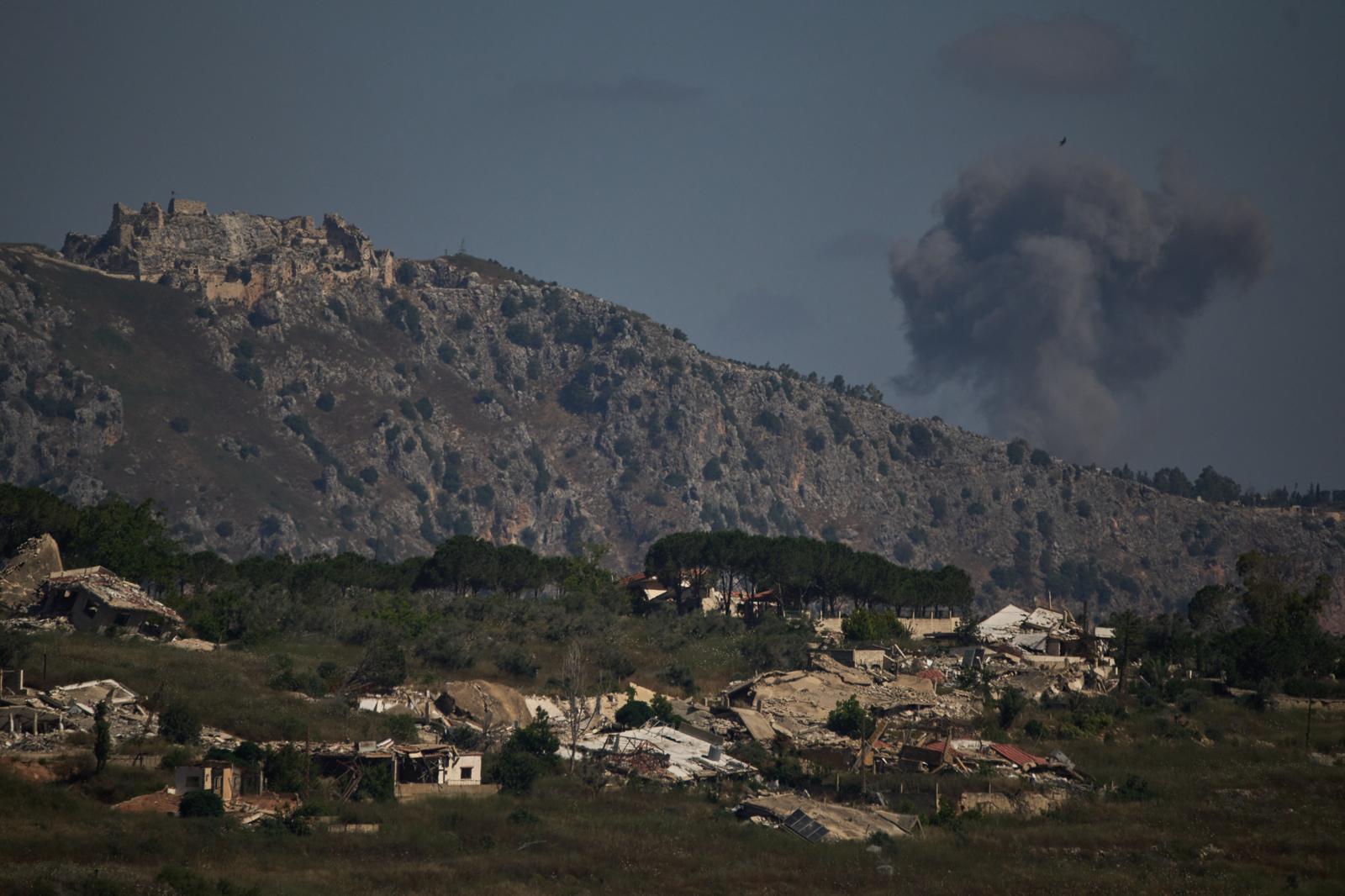
Iran's decision to threaten the closure of the Strait of Hormuz stems from its claim that the U.S. and Israel have violated the MOU. Iranian state media reported that the Central Command of Iran declared the Strait of Hormuz blocked as a "first step" in response to alleged ceasefire violations, brutal killings, forced displacement of residents in southern Lebanon, and Israel's refusal to withdraw its forces. The MOU's first article reportedly calls for an immediate and permanent cessation of military operations on all fronts, including Lebanon.
Despite Iran's declaration, U.S. officials maintain that the Strait of Hormuz has not been blocked. U.S. Central Command spokesperson Tim Hawkins stated that the strait remains open and that U.S. forces are monitoring the situation, emphasizing that Iran does not control the strait and that maritime traffic continues. Vice President Vance also expressed confidence in the continuation of the 60-day ceasefire agreement between the U.S. and Iran. Former President Trump commented that while no tolls would be imposed during the ceasefire, the U.S. might levy tolls in the future to recoup costs for its security services in the Middle East if a final agreement is not reached.
DistantNews Editorial
Originally published by Dong-A Ilbo in Korean. Translated, summarized, and contextualized by our editorial team with added local perspective. Read our editorial standards.
More Stories


From Our Blog

What Gets Lost (and Found) When News Is Translated

The Critical Role of Diaspora Media in Global News

What Travellers Should Know About Countries with Restricted Press

A Digital Nomad's Guide to Following Local News

How the Same Story Looks Different in Different Countries
