

US and Iran sign 14-point preliminary deal to end war, reopen Strait of Hormuz
Translated from Spanish, summarized and contextualized by DistantNews.
At a glance
News
Official statement
New plan
- The United States and Iran have reached a preliminary 14-point agreement to end their war and reopen the Strait of Hormuz.
- The deal, outlined by a U.S. official, leaves complex issues like Iran's nuclear program for a final agreement.
- A 60-day negotiation period will begin Friday in Switzerland, with the U.S. committed to lifting naval blockades within 30 days.
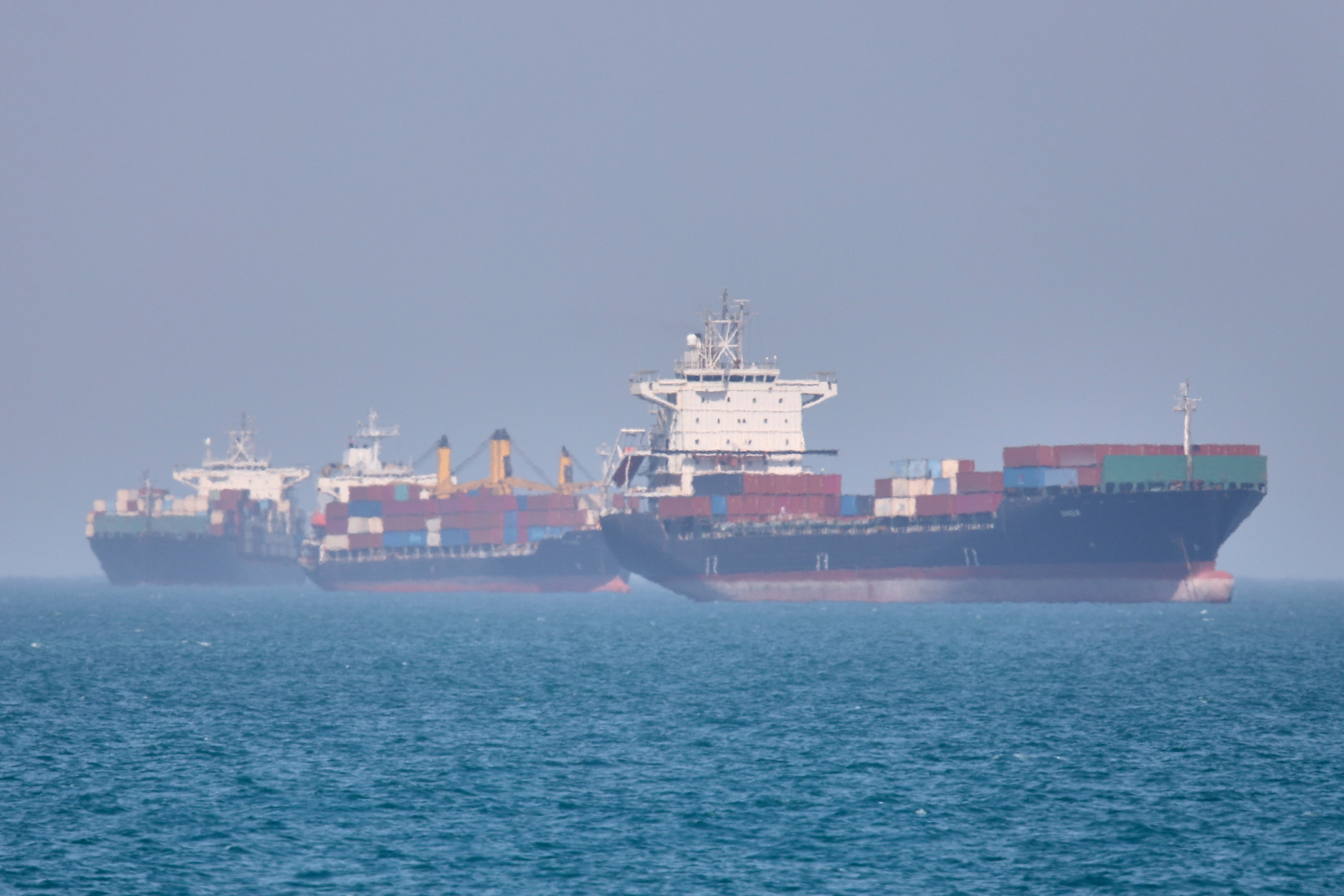
The United States has revealed the text of a provisional agreement with Iran aimed at ending their war and reopening the Strait of Hormuz. A senior U.S. official presented the 14-point understanding to the press, acknowledging that many contentious issues, such as the dismantling of Iran's nuclear program, remain unresolved pending a final accord.
This preliminary deal paves the way for a broader 60-day negotiation period set to commence Friday in Switzerland. The agreement stipulates that the U.S. will begin lifting its naval blockade and any disruptions to Iran within 30 days of the memorandum's signing. During this period, vessel traffic will be restored proportionally to pre-war levels. Iran, in turn, commits to ensuring the safe and free passage of merchant vessels through the Strait of Hormuz for 60 days, facilitating transit between the Persian Gulf and the Sea of Oman.
The "Memorandum of Understanding of Islamabad between the United States of America and the Islamic Republic of Iran" outlines key points including an immediate and permanent cessation of military operations on all fronts, including Lebanon. Both nations pledge to respect each other's sovereignty and territorial integrity, refraining from interference in internal affairs. The definitive agreement will confirm the permanent end of hostilities and other provisions outlined in the memorandum.
Los Estados Unidos de América y la República Islámica de Irán se comprometen a respetar la soberanía y la integridad territorial de la otra parte, y a abstenerse de interferir en los asuntos internos de la otra parte.
DistantNews Editorial
Originally published by La Nación in Spanish. Translated, summarized, and contextualized by our editorial team with added local perspective. Read our editorial standards.
More Stories


From Our Blog

What Gets Lost (and Found) When News Is Translated

The Critical Role of Diaspora Media in Global News

What Travellers Should Know About Countries with Restricted Press

A Digital Nomad's Guide to Following Local News

How the Same Story Looks Different in Different Countries
