

US and Iran Test Limits of Fragile Truce in Escalating Middle East Tensions
Translated from Romanian, summarized and contextualized by DistantNews.
At a glance
Analysis
Named sources
Ongoing story
- The Middle East is dangerously close to a new phase of confrontation between the United States and Iran, characterized by risky escalation management.
- Recent clashes, including Iran's direct strike on Israel and the downing of a U.S. helicopter, highlight the fragility of the current situation.
- The core issues remain the U.S. blockade of Iranian ports and Iran's strategy to disrupt oil traffic through the Strait of Hormuz.
The Middle East is teetering on the brink of a dangerous new phase of confrontation, with the United States and Iran engaged in a high-stakes game of brinkmanship. Both nations are testing the limits of a fragile de facto armistice, oscillating precariously between deterrence and the threat of total war, according to The Wall Street Journal.
We are managing a war, but at the same time, both sides are trying to establish the parameters of the armistice and gain additional leverage through kinetic strikes.
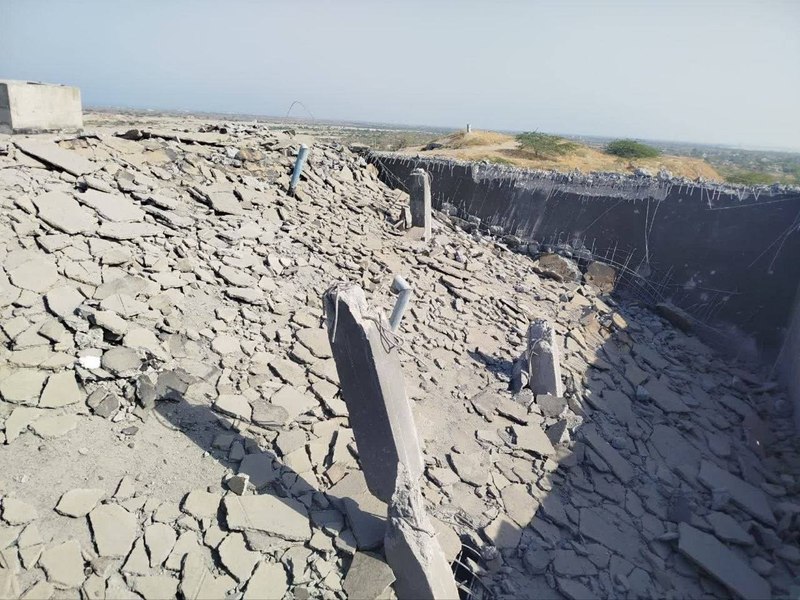
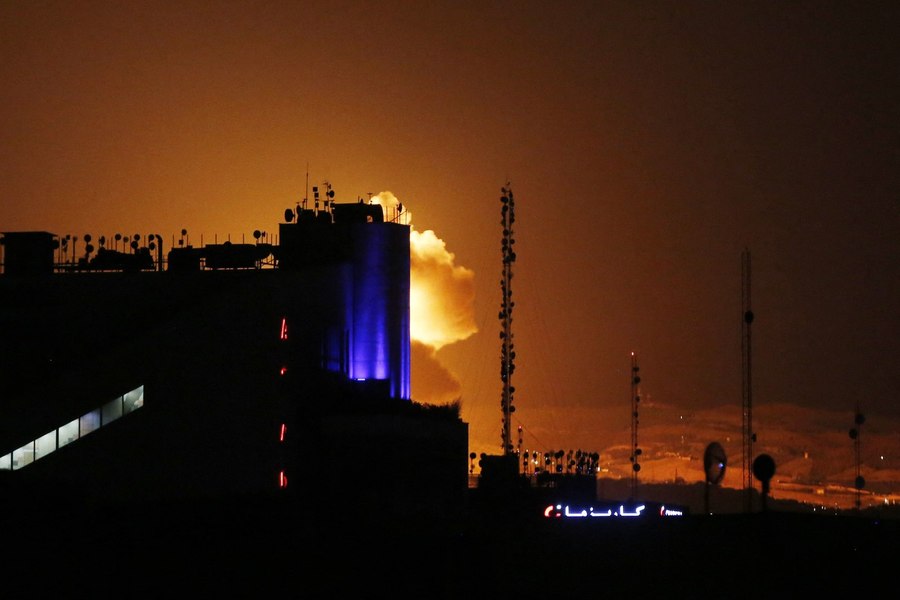
Recent events have underscored the extreme tension. Iran launched a direct strike on Israel in retaliation for a bloody raid in Beirut, marking a significant breach of understandings established in an April ceasefire mediated by the U.S. Subsequently, an Iranian drone downed a U.S. Apache helicopter, triggering hours of American retaliatory strikes and further Iranian missile attacks on U.S. allies in the Gulf and Jordan. This sequence represents the most severe crisis since the initial ceasefire ended 40 days of intense bombing.
At the heart of the conflict lies the U.S. blockade of Iranian ports and Tehran's counter-strategy of strangling commercial traffic through the vital Strait of Hormuz, a critical chokepoint for global oil transit. Analysts describe the situation as a managed war, where both sides seek to establish parameters for a ceasefire while simultaneously gaining leverage through kinetic actions.
Although no one wants a resumption of hostilities on a large scale, both sides are prepared for the worst.
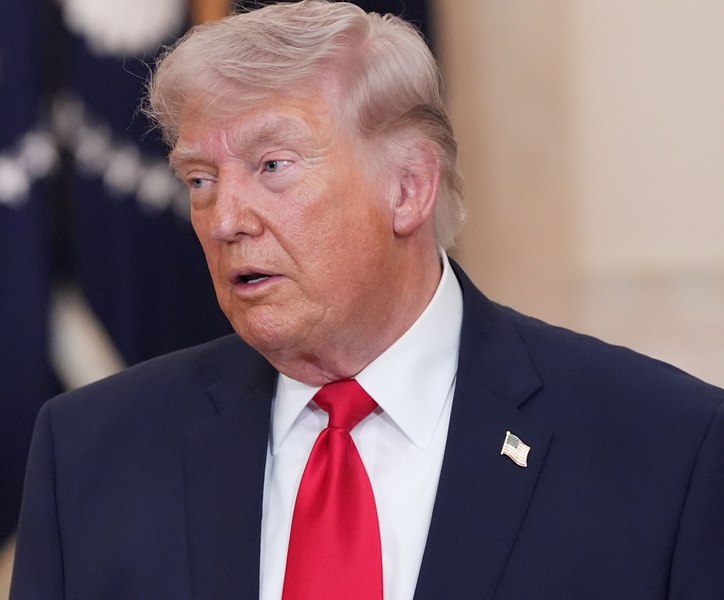
Adding to the volatility, U.S. President Donald Trump has expressed impatience with the pace of negotiations, warning Iran of consequences. Reports suggest he is considering strikes on critical Iranian infrastructure, accusing Tehran of delaying tactics. The incident involving the Apache helicopter also exposed vulnerabilities in Iran's defense doctrine, which relies on a "mosaic defense" strategy granting significant autonomy to local commanders.
It took them too long to negotiate an agreement that would have been excellent for them, now they will have to pay the price!!!
DistantNews Editorial
Originally published by Adevărul in Romanian. Translated, summarized, and contextualized by our editorial team with added local perspective. Read our editorial standards.
More Stories
From Our Blog

What Gets Lost (and Found) When News Is Translated

The Critical Role of Diaspora Media in Global News

What Travellers Should Know About Countries with Restricted Press

A Digital Nomad's Guide to Following Local News

How the Same Story Looks Different in Different Countries
