

US built neighborhood on 22,000 tons of toxic waste, leading to health crises
Translated from English, summarized and contextualized by DistantNews.
At a glance
In-depth
Documents & data
Outcome reported
- A US neighborhood was built on 22,000 tons of buried toxic waste from the Love Canal.
- Heavy rainfall in 1976 caused chemicals to leach to the surface, leading to health problems for residents.
- The incident prompted the creation of the Superfund program to address toxic environmental disasters.
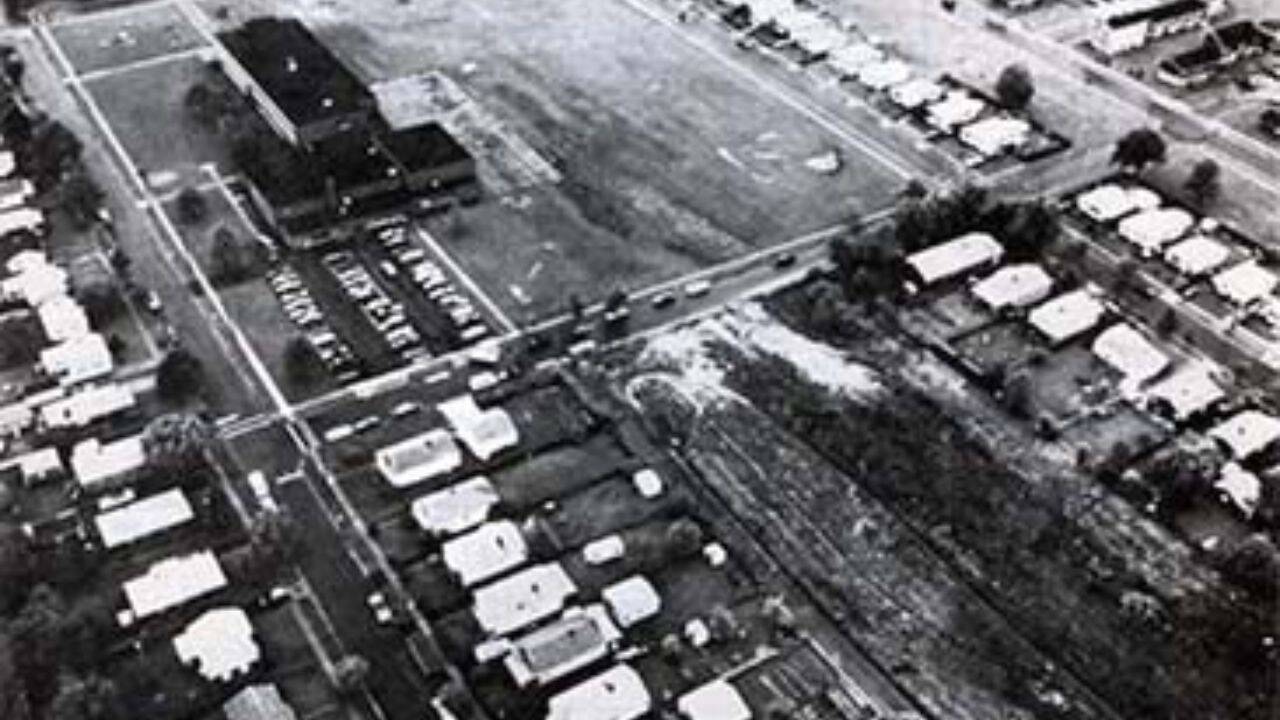
A neighborhood in Niagara Falls, New York, was unknowingly constructed atop 22,000 tons of toxic industrial and municipal waste buried at the Love Canal site. Originally intended for a canal project in the 19th century, the site was later used as a dumping ground by Hooker Chemical and Plastics Corp. before being sold to the local Board of Education for $1 in 1953.
Homes, a school, a park, and a baseball field were built over the contaminated land. The buried waste remained largely dormant until 1976, when unusually heavy rainfall caused the toxic chemicals to begin leaching to the surface. Residents reported chemicals seeping into their basements, and the air developed a "faint, choking smell."
corroding waste-disposal drums could be seen breaking up through the grounds of backyards. Trees and gardens were turning black and dying.
The leaching chemicals led to severe health issues among residents, including children returning from play with burns on their hands and faces. High rates of cancer, kidney disease, birth defects, and miscarriages were observed in the community. This environmental disaster, which displaced numerous families, was a catalyst for the creation of the U.S. Superfund program, established to remediate toxic environmental disasters nationwide.
the air had a faint, choking smell. Children returned from play with burns on their hands and faces.
DistantNews Editorial
Originally published by Times of India in English. Translated, summarized, and contextualized by our editorial team with added local perspective. Read our editorial standards.
More Stories

From Our Blog

What Press Freedom Means for the News You Read

What Gets Lost (and Found) When News Is Translated

The Critical Role of Diaspora Media in Global News

What Travellers Should Know About Countries with Restricted Press

A Digital Nomad's Guide to Following Local News
